Best Techniques for Ohio Saugeye
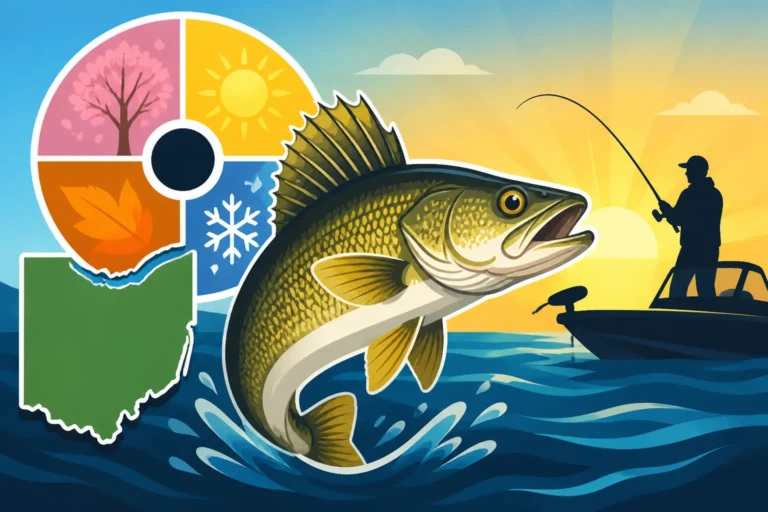
If you've ever cast a line in Ohio with the dream of reeling in a saugeye, you know they can be as elusive as they are rewarding. These unique hybrid fish offer a fantastic challenge, often requiring a subtle touch and a keen understanding of their habits. This comprehensive guide will unravel the best techniques, gear, and seasonal strategies to help you consistently land more of these fantastic fighting fish across Ohio's diverse waters.
Understanding Ohio Saugeye: A Hybrid Challenge
Saugeye are truly special in Ohio, a testament to thoughtful fisheries management. They're a hybrid cross between a female walleye and a male sauger, giving them some of the best characteristics of both parent species. But this unique genetic makeup also means they can behave a little differently than a pure walleye or sauger, adding an extra layer of intrigue for anglers. If you're struggling to crack the code, you're certainly not alone!
What Makes Saugeye Unique?
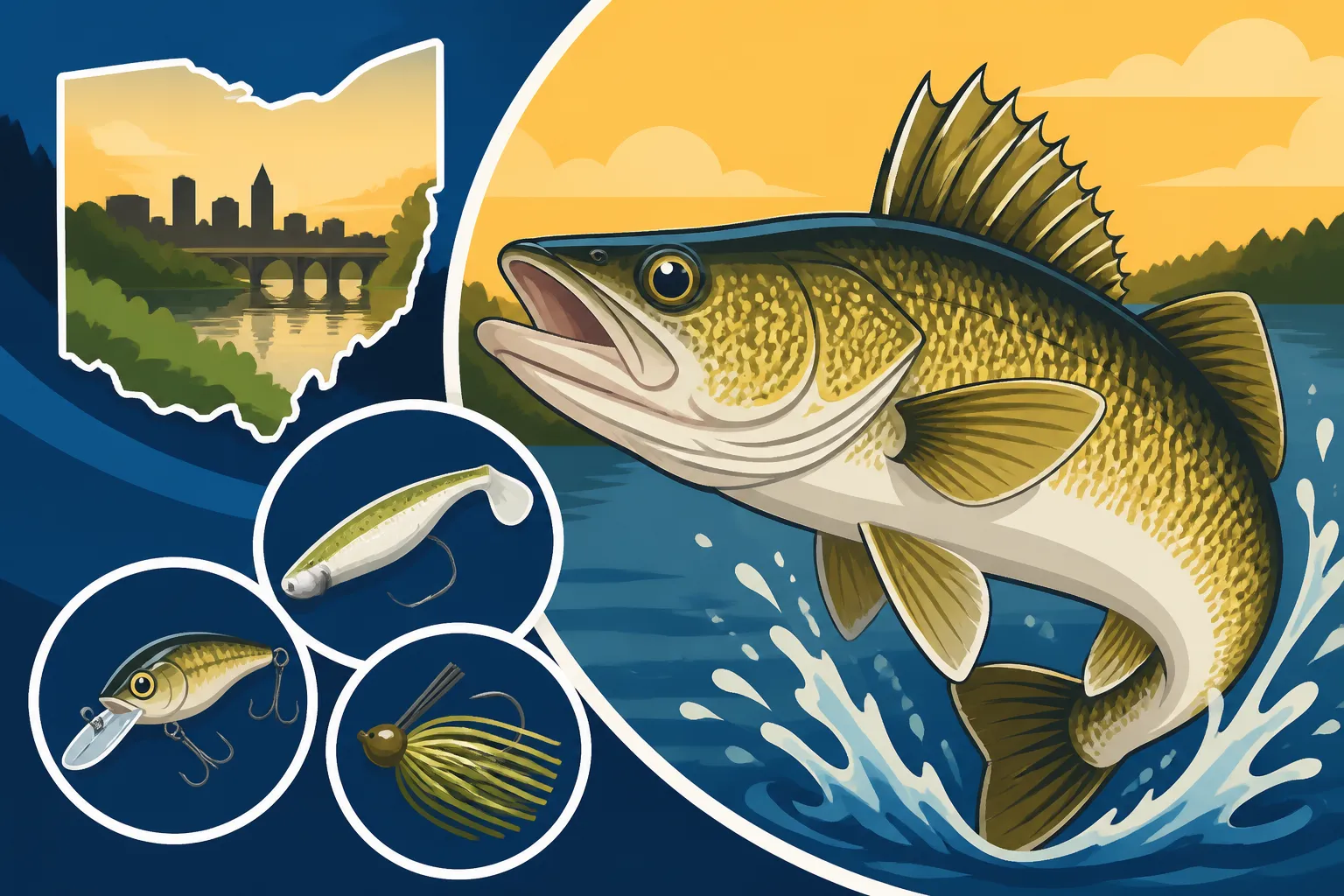
Saugeye often exhibit a faster growth rate and higher survival rates than walleye in turbid, inland waters, making them a prime target in many of Ohio's reservoirs that might not be ideal for pure walleye. They tend to be more aggressive than walleye but also adapt better to stained water, inheriting the best traits of both parents. Visually, they’re a blend: you'll notice the distinct barring patterns on their dorsal fin, characteristic of a sauger, but they also possess the large, milky eye and elongated body shape more akin to a walleye. Sometimes, telling them apart can be tricky, which is why a thorough understanding of Saugeye vs Walleye Identification can be so helpful. Their unique blend of characteristics means they might hit a lure with the ferocity of a sauger but then fight with the powerful runs you’d expect from a walleye.
Where to Find Saugeye in Ohio
Ohio's saugeye program is incredibly successful, stocking these fish into numerous inland reservoirs across the state. They thrive in impoundments that feature a mix of open water, submerged structure, and varying depths. Some of the most renowned saugeye fisheries include Indian Lake, Buckeye Lake, Alum Creek Lake, Hoover Reservoir, and Mosquito Creek Lake. These reservoirs offer ample opportunities, whether you prefer fishing from a boat, kayak, or even shore. The key is to look for areas with current breaks, channel swings, points, and humps – structures that appeal to both walleye and sauger. Knowing the best spots can significantly increase your chances; many anglers find success by focusing on Best Ohio Reservoirs for Walleye and Saugeye which are consistently stocked. Don't be afraid to try some of the smaller, less-talked-about reservoirs too; saugeye often thrive in those environments away from heavier fishing pressure.
Essential Saugeye Gear and Tackle
Having the right gear is paramount for saugeye success. While you might get lucky with a general setup, optimizing your rod, reel, line, and especially your lures and baits, will make a noticeable difference in your catch rates. Saugeye can be subtle biters, especially in colder water, so sensitive equipment is a huge advantage.
Rods, Reels, and Line Choices
When it comes to rods for saugeye, sensitivity is king. A medium-light to medium power spinning rod, typically 6'6" to 7' in length, with a fast or extra-fast action, is a fantastic all-around choice. This setup allows you to feel those delicate taps and subtle weight changes that signify a saugeye bite, while still having enough backbone to drive the hook home. For reels, a smooth spinning reel in the 2000-3000 size range, spooled with a high-visibility braided line, is ideal. Braid offers incredible sensitivity and minimal stretch, transmitting every bump and bite directly to your hand.
However, don't forget to tie on a fluorocarbon leader! About 4-6 feet of 8-12 lb fluorocarbon leader is usually perfect. Fluorocarbon is nearly invisible underwater and has excellent abrasion resistance, which is crucial around rocky bottom structure where saugeye often lurk. You can find quality braided lines and fluorocarbon leaders easily on platforms like Amazon, ensuring you're ready for your next trip. This combination provides the best of both worlds: the sensitivity of braid and the stealth of fluorocarbon.
Top Lures and Baits for Saugeye Success
Saugeye are opportunistic feeders, but they do have their preferences. Your lure and bait selection should often mimic the forage available in the lake you're fishing. Here's a breakdown of some of the most effective options:
- Jigs: Without a doubt, jigs are a saugeye staple. Tipped with a live minnow, a soft plastic grub, or a scented Gulp! minnow, jigs are incredibly versatile. Colors like chartreuse, white, black, and various shades of purple often perform well. Experiment with jig weights from 1/8 oz to 1/2 oz, depending on depth and current. Vertical jigging directly below the boat or casting and retrieving slowly along contours can be deadly.
- Blade Baits: These vibrating metal lures are fantastic for covering water and triggering aggressive reaction strikes. They're especially effective when vertically jigged or cast and retrieved with a lift-fall action. Colors like chrome, gold, and those with a touch of chartreuse are popular.
- Crankbaits: Trolling or casting crankbaits that dive to the depth saugeye are holding is highly effective, particularly in summer and fall. Look for baits with a tight wobble that imitate shad or perch. The Bandit Walleye Deep Diver and Rapala Shad Rap are classic choices. Again, a quick search on Amazon for "saugeye crankbaits" will show you a huge variety.
- Live Bait Rigs: A simple slip bobber rig with a live minnow or nightcrawler is hard to beat, especially when saugeye are holding in a specific depth or over structure. A Lindy Rig, with a walking sinker and a snell hook, is also incredibly effective when drifting or slow trolling. Many anglers find that Best Lures for Ohio Fishing discussions often highlight the versatility of these classic live bait setups.
| Technique/Lure Type | Best Season | Preferred Bait/Tipping | Retrieval/Action | Notes |
|---|---|---|---|---|
| Jigging | All seasons | Minnows, Soft Plastics | Vertical, Lift-fall | Highly versatile, excellent for structure. |
| Slip Bobber | Spring, Fall | Live Minnows, Leeches | Stationary | Ideal for precise depth presentation. |
| Crankbaits | Summer, Fall | N/A | Trolling, Casting | Effective for covering water, reaction bites. |
| Blade Baits | All seasons | N/A | Vertical, Snap-jig | Great for cold water and aggressive strikes. |
| Bottom Bouncers | Summer | Crawler Harnesses, Minnows | Drifting, Slow Troll | Good for targeting bottom-hugging fish. |
Mastering Seasonal Saugeye Techniques
Saugeye behavior changes dramatically with the seasons, influenced by water temperature, spawning cycles, and available forage. What works in spring might be completely ineffective in the dead of summer, so adapting your approach is key to consistent success. Understanding the Ohio Fishing Season Calendar can help you predict these shifts and plan your trips accordingly.
Spring Spawning and Pre-Spawn Tactics
As ice recedes and water temperatures begin to climb into the 40s and 50s Fahrenheit, saugeye become incredibly active. This is the pre-spawn period, and fish are hungry and migrating towards their spawning grounds, which often include tributary rivers or shallow, rocky areas within the reservoirs. Focus your efforts on these transition zones, particularly near current breaks, rocky points, and submerged humps.
Vertical jigging with minnow-tipped jigs or casting small crankbaits are highly effective during this time. Saugeye are often concentrated in specific areas, so once you find them, you can often catch multiple fish. Many anglers find the period right after ice-out to be particularly fruitful, as the fish are still somewhat lethargic but actively feeding to build energy for the spawn. Keep an eye on water temperatures; a few degrees can make all the difference.
Summer Deep Water and Night Fishing
Summer brings warmer water, and with it, saugeye will often retreat to deeper, cooler sections of the reservoir. They'll relate to submerged structures like old creek channels, deep humps, steep drop-offs, and main lake points. Trolling crankbaits at specific depths becomes a go-to technique, allowing you to cover large areas and locate active fish. Use your electronics to find baitfish schools and target the depths just above or within those schools.
Another fantastic summer tactic for saugeye is night fishing. As the sun sets, saugeye often move shallower to feed under the cover of darkness. Casting shallow-diving crankbaits or even slip bobber fishing with a lighted bobber and a live minnow can be incredibly effective. For those who enjoy the solitude and excitement of fishing after dark, our guide to Night Fishing Techniques in Ohio offers even more detailed tips to maximize your success. Just be sure to bring your headlamp and insect repellent!
Fall Feeding Frenzy Strategies
Fall is arguably one of the best times of the year to target saugeye in Ohio. As water temperatures cool, saugeye go on a serious feeding binge, bulking up for the lean winter months. They become more aggressive and are often found shallower than in summer, chasing baitfish schools in creek arms, around points, and along weed lines.
Trolling, casting, and vertical jigging can all be highly productive. Focus on areas where baitfish are abundant, often near the mouths of tributaries or along large flats adjacent to deep water. Blade baits and crankbaits that imitate shad or perch are deadly. This is when saugeye are often at their heaviest, providing thrilling fights and sometimes trophy-sized catches. A lot of anglers agree that the fall bite for saugeye is truly special.
Winter Ice Fishing for Saugeye
Don't hang up your fishing gear when the lakes freeze! Winter offers some incredible ice fishing opportunities for saugeye, particularly on larger reservoirs like Indian Lake, Alum Creek, and Buckeye Lake. Saugeye remain active under the ice, often schooling up in predictable locations. They tend to hold near deep breaklines, humps, and old river channels.
Jigging with small spoons, blade baits, or minnow-tipped jigs is the most popular and effective technique. Keep your presentations subtle; sometimes just a slight quiver or a dead stick is all it takes to entice a bite. Using a fish finder (flasher) is almost essential for ice fishing saugeye, allowing you to see your lure and any approaching fish. Dressing warmly and knowing the best spots are crucial for a successful trip, and our comprehensive Ohio Ice Fishing Guide has all the information you'll need to stay safe and productive on the hard water.
Advanced Tactics for Tricky Saugeye
Saugeye can sometimes be finicky, especially in clear water or under heavy fishing pressure. That's when you need to pull out some advanced techniques and really pay attention to the details. The difference between a slow day and a banner day can often come down to a subtle change in your presentation.
The Art of Slip Bobber Fishing
When saugeye are suspended at a specific depth, relating to cover, or when they're particularly finicky, a slip bobber rig can be your best friend. This technique allows you to present a live minnow, nightcrawler, or even a small jig at a precise depth, suspending it right in the fish's strike zone. The key is to use a sensitive bobber that signals even the slightest tap.
To rig it up, thread a bobber stop onto your mainline, followed by a bead. Then, thread on your slip bobber, followed by another bead, and tie on a small swivel. To the other end of the swivel, tie your fluorocarbon leader (18-36 inches), a small split shot or two (if needed for weight), and then your hook. Adjust the bobber stop to set your desired depth. This technique is often detailed in guides like How to Rig a Slip Bobber for Saugeye because it's so fundamental for success in many scenarios. It's fantastic for shore anglers as well, allowing for a natural presentation away from the boat.
Jigging and Trolling for Saugeye
These two techniques are often the most productive for saugeye across various seasons, but mastering them requires nuance.
- Jigging: Whether vertical jigging from a boat or casting from shore, the retrieve is crucial. For vertical jigging, drop your jig to the bottom, then lift it 6-12 inches and let it fall on a semi-slack line. Most bites happen on the fall. For casting, a slow, steady retrieve with occasional pauses or light rod tip twitches can be deadly. Experiment with colors and sizes; sometimes a tiny change in jig head color or plastic tail can make a huge difference. You can find a huge variety of quality jigs, from VMC to Northland Tackle, on Amazon.
- Trolling: This is particularly effective for covering large areas, especially in open water or along deep contours. Use crankbaits that dive to the desired depth. Pay close attention to your speed; often, a subtle change in boat speed (even 0.1 mph) can trigger strikes. Experiment with planer boards to spread out your lines and cover more water. Your fish finder is essential here to monitor depth, baitfish, and saugeye marks. Many anglers find the Best Technique for Saugeye in Ohio Reservoirs often involves some form of precise trolling or jigging.
Reading Water and Weather Conditions
Saugeye, like most fish, are highly influenced by environmental factors. Learning to read these conditions can give you a significant edge.
- Water Clarity: Saugeye generally prefer somewhat stained or turbid water, a trait inherited from their sauger parent. They often become more active in low light conditions or when the water has a slight tint. In very clear water, they might go deeper or become more nocturnal.
- Barometric Pressure: A stable or rising barometer often indicates active fish. A rapidly falling barometer can shut them down.
- Wind: A light chop on the water can actually improve fishing by breaking up the surface and making fish feel more secure, and it can help concentrate baitfish. However, strong winds make boat control difficult and can push fish into deeper, more protected areas.
- Temperature: This is perhaps the most critical factor. Saugeye prefer cooler waters, typically between 50-70 degrees Fahrenheit. Their activity levels will spike during these optimal temperature ranges.
Paying close attention to these factors and adjusting your approach accordingly is part of the art of saugeye fishing. Our guide to Reading Weather Patterns for Ohio Fishing can provide even more insight into how these elements impact fish behavior.
Regulations and Conservation
As responsible anglers, it's vital to be aware of and abide by all fishing regulations set forth by the Ohio Department of Natural Resources (ODNR). These regulations are designed to protect fish populations and ensure healthy fisheries for future generations. Ignoring them isn't just illegal; it hurts the very resource we love.
Understanding Saugeye Limits in Ohio
Ohio has specific regulations for saugeye, which can vary by water body. Generally, the statewide minimum length limit for saugeye is 10 inches, with a daily bag limit of six fish. However, certain lakes or specific zones might have different, more restrictive rules. For example, some lakes might have an 18-inch minimum length limit or a slot limit, where fish within a certain size range must be immediately released.
It is absolutely crucial to check the current Ohio Statewide Bag and Size Limits and specifically the Ohio Saugeye Minimum Length Limit before you head out. The ODNR provides free fishing regulation booklets online and at bait shops, or you can find them on their website. Never assume the rules are the same everywhere; a quick check can save you from a violation. Ignorance of the law is not a valid excuse if a wildlife officer checks your catch.
Practicing Responsible Catch and Release
While saugeye are excellent table fare, practicing responsible catch and release, especially for larger breeding fish, is vital for maintaining healthy populations. Here are some tips:
- Minimize Fight Time: Land the fish as quickly as possible to reduce stress.
- Use Barbless Hooks: Or pinch down the barbs on your hooks to make removal easier and less damaging.
- Handle With Care: Avoid touching the fish's gills or eyes. Support the fish horizontally, especially larger ones, to protect internal organs.
- Use a Net: A rubberized landing net is ideal for safely netting fish and preventing scale damage.
- Release Quickly: If possible, keep the fish in the water while unhooking it. If you must remove it, do so briefly for a quick photo, then return it to the water gently.
- Revive If Necessary: If a fish seems sluggish, hold it gently in the water, facing into the current, until it regains its strength and swims away on its own.
By following these practices and staying informed about Ohio Fishing Regulations Every Angler Should Know, we can all contribute to sustainable saugeye fishing in Ohio for years to come.
Disclaimer
Fishing conditions and regulations in Ohio can change. Always consult the latest official Ohio Department of Natural Resources (ODNR) fishing regulations before heading out. This guide provides general information and should not be considered a substitute for official legal guidelines.