Night Fishing Techniques in Ohio
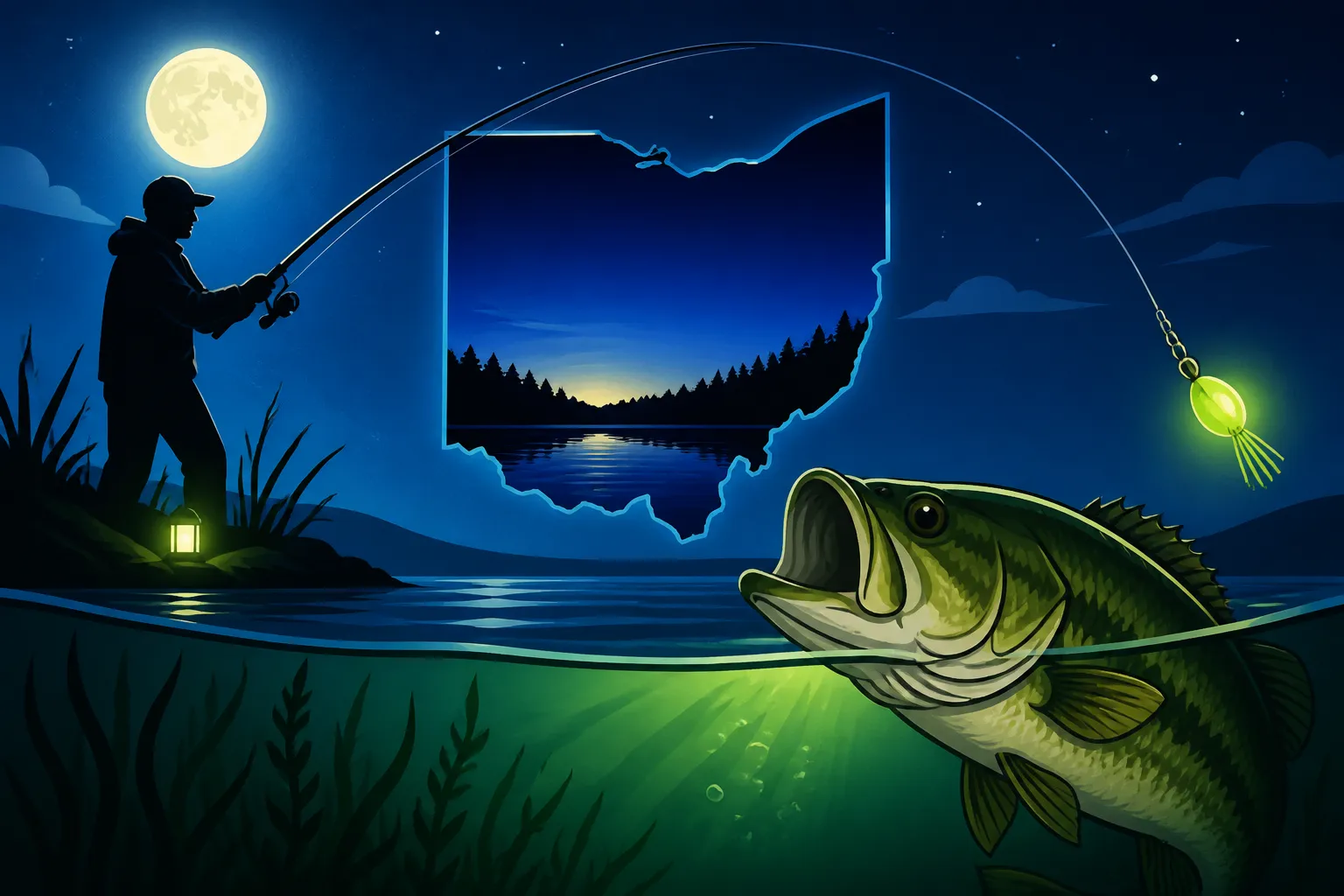
The sun dips below the horizon, painting the Ohio sky in hues of orange and purple, and for many anglers, that's their cue to pack up. But if you've ever felt the frustration of crowded boat ramps, scorching summer heat, or fish that just seem to disappear once the sun is high, then you're missing out on one of Ohio's most rewarding angling experiences: night fishing. This guide is dedicated to helping you unlock the secrets of fishing under the stars, revealing the techniques, gear, and strategies to catch more fish when most folks are sleeping.
Why the Cover of Darkness Beckons Ohio Anglers
Fishing at night isn't just a quirky pastime; it's a strategic move for many seasoned Ohio anglers. There's a fundamental shift in the underwater world when daylight fades, a transformation that benefits both fish and fisherman. Understanding these reasons is the first step to embracing the nocturnal angling adventure.
Escaping the Day's Heat and Crowds
Let's be real, summer fishing in Ohio can be brutal. The midday sun beats down, making conditions uncomfortable for both you and the fish. Imagine sweltering in your boat or sweating on the bank as the thermometer climbs past 90 degrees. Add to that the constant parade of pleasure boaters, jet skis, and other anglers competing for prime spots, and it's enough to make anyone reconsider their hobby.
Night fishing offers a blissful escape from all this. The air cools dramatically once the sun sets, providing a much more pleasant environment to be out on the water. Those relentless pleasure boaters are safely docked, meaning the water is often calmer, less disturbed, and vastly more peaceful. You'll find popular spots that were shoulder-to-shoulder during the day are now eerily quiet, offering you undisturbed access to productive waters. This tranquility isn't just for comfort; it also means less pressure on the fish, making them potentially more willing to bite. Whether you're targeting Lake Erie walleye or casting for bass in a smaller inland lake like Hoover Reservoir, the lack of daytime commotion can make a world of difference.
Tapping into Nocturnal Feeding Frenzies
Many of Ohio's most sought-after fish species become far more active once darkness falls. They've spent the bright daylight hours seeking cover, conserving energy, or simply being more cautious. But as the sun dips, a switch flips. Predatory fish, especially, use the low light to their advantage, ambushing unsuspecting baitfish that become disoriented or more exposed in the dark.
Walleye, for instance, are notoriously light-sensitive and move into shallower feeding areas at night. This is often the best time of day to catch walleye on Lake Erie, as they transition from deep, open water to structure closer to shore or shallower flats. Catfish, too, are supreme nocturnal hunters, relying on their keen sense of smell and barbels to root out food in the blackness. Even certain bass populations become more aggressive after dark, moving out from dense cover to patrol shallows. If you've struggled to get a bite during the day, the change in fish behavior at night might be exactly what you need to fill your livewell or achieve that personal best. It’s a completely different game, one where stealth and strategic lure presentation often lead to incredible success.
Essential Gear for a Successful Ohio Night Fishing Trip
Venturing out after dark without the right equipment is not only ineffective but potentially dangerous. While many of your daytime essentials will still apply, night fishing demands specific additions and considerations to ensure safety, comfort, and most importantly, success. Don's skimp on these critical items.
Illuminating Your Path and Ensuring Safety
When you're out on the water or along the bank in complete darkness, visibility is paramount for safety. A reliable light source isn't just a convenience; it's a necessity. You'll need more than just the flashlight on your phone.
Headlamps are absolutely indispensable. They keep your hands free for tying knots, rigging bait, or unhooking a fish, which is crucial when you're fumbling in the dark. Look for a headlamp with multiple brightness settings and a red-light option. Red light preserves your night vision much better than white light, allowing your eyes to adjust quickly back to the darkness without blinding you or spooking nearby fish. Many anglers find durable, waterproof headlamps on Amazon, which can be a lifesaver. Beyond personal lighting, if you're fishing from a boat, ensure all your navigation lights are fully functional and properly displayed according to maritime regulations. A quick check of your boat's battery and lighting system before you leave the dock is vital. For shore anglers, consider bringing a small lantern or a second, more powerful flashlight to illuminate your immediate area for longer periods or in an emergency. Remember, unexpected slips or falls are far more likely in the dark, so a well-lit path is non-negotiable.
Rods, Reels, and Lines for Low-Light Success
While your favorite daytime rods and reels will still work, a few adaptations can make night fishing much easier. Sensitivity becomes even more important when you can't see subtle bites.
Medium-light to medium-heavy action rods are generally versatile for night fishing, depending on your target species. For walleye, a sensitive graphite rod in the 6'6" to 7' range is excellent for detecting those light "taps" in the dark. For robust catfish on the Ohio River, a sturdier medium-heavy rod with plenty of backbone will handle those powerful runs. Pair these with reliable spinning or baitcasting reels, ensuring they operate smoothly and quietly. Regarding fishing line, many anglers opt for braided line due to its superior sensitivity and lack of stretch, which helps you feel everything in the pitch black. However, a fluorocarbon leader is often used at the business end because of its low visibility in the water. For those still mastering their casting in the dark, a brightly colored monofilament might offer a visual advantage, especially when trying to estimate where your line is landing. Regardless of your choice, ensure your line is fresh and knot-free; re-tying a knot in the dark is never fun, so proper knot-tying techniques, like those discussed in Ohio Fishing Knots to Know, are essential before you head out.
Baits and Lures That Shine in the Dark
Choosing the right bait and lures for night fishing goes beyond just matching the hatch; it often involves capitalizing on fish senses other than sight. Scent, vibration, and even glow become key players.
For walleye, crankbaits that produce a strong rattling sound or have fluorescent/glow-in-the-dark properties can be incredibly effective. Consider using a black or dark-colored crankbait or jig, as these often create a stronger silhouette against the lighter night sky or moon for fish looking up. Soft plastics with scent attractants, like Berkley Gulp! or PowerBait, can also be tipped onto jigs. When it comes to catfish, strong-smelling baits are king. Live or cut bait, chicken livers, stink baits, and shrimp are all phenomenal choices, as highlighted in Best Baits for Ohio Catfish. These scent trails are easily picked up by catfish's powerful olfactory senses. For bass, dark-colored spinnerbaits with large thumping blades, noisy topwater lures like poppers or Jitterbugs, and Texas-rigged worms or jigs are fantastic. The commotion and vibration these lures create are what draw bass in, compensating for the lack of visual cues. Don't forget to keep a black light handy if you're using fluorescent lines or glow-in-the-dark lures – it can really make them pop! A wide selection of these specialized baits can often be found readily available on Amazon, making it easy to stock up before your next nocturnal adventure.
Top Ohio Species That Hunt After Sundown
While almost any fish can be caught at night, some species truly thrive in the low-light conditions, becoming more aggressive and easier to locate. Knowing which fish to target is crucial for a successful night fishing trip in Ohio.
The Elusive Night Walleye: Lake Erie and Inland Waters
Walleye are perhaps the poster child for night fishing in Ohio, and for good reason. These highly sought-after predators have exceptionally keen low-light vision, giving them a distinct advantage over their prey once the sun sets. This is why the Ohio Walleye Fishing Guide often emphasizes nocturnal strategies.
On Lake Erie, walleye move from their deeper daytime haunts into shallower reefs, rock piles, and shorelines to feed. Trolling crankbaits or casting stickbaits from piers and breakwalls are common tactics. Around major Lake Erie ports like Port Clinton, Sandusky, and Cleveland, many anglers find immense success casting Rapala Husky Jerks, Smithwick Rogues, or Reef Runner Lures from shore, often in black or dark colors, which create a strong silhouette against the surface. Inland, reservoirs like Alum Creek Lake, Hoover Reservoir, and Mosquito Creek Lake also offer fantastic night walleye opportunities. Here, anglers might target them jigging spoons or plastics over humps and points, or drifting lighted bobbers with live minnows or nightcrawlers in shallower areas. The key is often finding areas where baitfish congregate near structure in accessible depths. Understanding their nocturnal feeding patterns is key to getting them to bite, as they can be finicky even after dark.
Hard-Fighting Catfish: River Monsters and Reservoir Giants
If you're looking for consistent action and powerful fights under the stars, Ohio's catfish populations are your best bet. Channel catfish, flathead catfish, and even blue catfish (though less common in inland Ohio) are primarily nocturnal feeders, using their superior sense of smell to locate food. The Ohio Channel Catfish Fishing Guide delves deeper into these fantastic fish.
The Ohio River, in particular, is a legendary stronghold for massive flatheads and blue cats after dark. Anglers often anchor in strategic spots, focusing on deep holes, current seams, and structure like log jams or rock piles. Fresh cut bait (shad, skipjack herring) or live bait (bluegill, suckers) are irresistible to these giants. Lakes and reservoirs across Ohio, such as Lake Erie (especially near river mouths), Grand Lake St. Marys, and the Muskingum River, also boast excellent channel catfish populations. For these, common methods include fishing on the bottom with stink baits, chicken livers, or nightcrawlers. Bank fishing is highly productive for catfish, allowing anglers to set multiple lines (within How Many Fishing Lines You Can Use in Ohio limits, of course) and relax while waiting for a bite. Just make sure your rod holders are secure – a big cat can quickly pull a rod into the water!
Ambusher Bass: Ponds, Lakes, and Shallow Haunts
While not always as stereotypically "nocturnal" as walleye or catfish, both largemouth and smallmouth bass can offer exhilarating night fishing action in Ohio. They become bolder, moving out from dense cover to cruise the shallows in search of an easy meal. This behavior is explored in more detail in the Ohio Largemouth Bass Fishing Guide.
For largemouth bass, especially in smaller lakes, farm ponds, and reservoir coves, night fishing can be phenomenal. They often move into very shallow water, sometimes only a foot or two deep, to ambush baitfish, frogs, or crawfish. Topwater lures that create a lot of noise and commotion are incredibly effective. Think buzzbaits, Jitterbugs, or large poppers retrieved slowly across the surface. Dark-colored spinnerbaits or jigs and plastic worms are also excellent choices when fished slowly along weed lines, docks, or submerged timber. The key is to present your lure with minimal light, allowing the bass to key in on the vibrations and silhouette. Smallmouth bass, found in places like Lake Erie's rocky shorelines and certain inland rivers, will also feed actively at night, often congregating around rocky points and drop-offs. Here, dark tubes, jigs, or slow-rolled spinnerbaits can entice a strike. The calm of the night often makes these normally skittish fish more approachable.
Proven Techniques for Ohio Night Fishing Success
Beyond the right gear and knowing your target species, applying specific techniques tailored to the darkness is what truly separates successful night anglers from those who merely endure the night. It's about adapting your approach to the limited visibility and altered fish behavior.
Targeting Walleye with Lighted Bobbers and Trolling
Walleye night fishing can be incredibly diverse, ranging from stationary tactics to active pursuit. One popular and effective method, especially on inland lakes and rivers, is using lighted bobbers. This technique involves suspending a live minnow or nightcrawler under a bobber equipped with a chemical light stick or a small LED. The glowing bobber acts as a visual marker, making it easy to see bites when it dips or moves. You can cast these to productive points, drop-offs, or weed lines from the bank or an anchored boat. This allows the bait to drift naturally, enticing wary walleye.
On larger bodies of water like Lake Erie, trolling for walleye at night is a highly productive strategy, as discussed in Best Way to Locate Walleye Suspended Over Deep Water. Many charter captains and experienced anglers will troll large, deep-diving crankbaits in dark colors (like black, purple, or deep blue) or lures with glow features. The key is often to troll at slower speeds than during the day, letting the lures work their magic with minimal boat noise. Using planer boards can help spread out your lines and cover more water without spooking fish directly under the boat. Experiment with different depths and speeds until you find what triggers bites, as walleye can be suspended at various levels after dark.
Setting Up for Catfish from the Bank or Boat
Catfish are the quintessential night feeders, and their powerful runs make for exciting action. Whether you're casting from shore or anchoring in a river channel, a methodical setup is crucial for success. For bank fishing, find a clear, stable spot with good access to deeper water or current breaks.
You'll want sturdy rod holders that can withstand the violent tug of a large cat. Use a slip sinker rig or a Carolina rig, allowing the fish to take the bait without immediate resistance, which can be critical for species like flatheads. Bait up with fresh cut bait or a strong-smelling prepared bait and cast it out. Then, set your rod in the holder and engage your bait clicker or loosen your drag slightly. Pay close attention to your rod tip, using the glow of a headlamp or a small clip-on light to detect subtle movements that signal a bite. When fishing from a boat, particularly on the Ohio River, anchoring strategically near structure or channel edges is key. For more advanced tactics on the Ohio River, considering how to anchor in current on the Ohio River is vital to holding your position over productive spots. Use heavier sinkers to keep your bait on the bottom in strong currents, and again, fresh, irresistible bait is paramount. Sometimes, multiple rods set at varying depths or distances can help you pinpoint where the fish are holding.
Silent Approaches for Nocturnal Bass
Bass, especially largemouth, are ambush predators, and their night-time feeding relies on stealth. Your approach should be as quiet as possible to avoid spooking them in the shallow water they often inhabit after dark. If you're fishing from a boat, use a trolling motor on its lowest setting, or better yet, drift or paddle silently. From shore, move slowly and deliberately, avoiding stomping or shining bright lights directly into the water.
When casting for bass at night, focus on targets that provide ambush points: docks, fallen trees, lily pad edges, and weed lines. Topwater lures are incredibly exciting under the stars because you hear the strike before you see it. Cast noisy topwater baits close to cover, let them sit for a moment, then retrieve them slowly with pauses. The "plop-plop-fizz" of a buzzbait or the gurgle of a Jitterbug can drive bass wild. For a more subsurface approach, dark-colored spinnerbaits or soft plastics rigged weedless are excellent. Retrieve them slowly, feeling for subtle changes in tension or the classic "thump" of a bass strike. The key is often to slow down your retrieve, giving the bass more time to locate and commit to the lure in the dark.
Navigating Ohio Waters and Staying Safe After Dark
Night fishing offers unparalleled tranquility and excellent fishing, but it also introduces unique challenges, primarily around safety and navigation. Being prepared and cautious is not just advisable; it's absolutely essential to ensure a fun and incident-free outing.
Critical Safety Measures for Boats and Shorelines
For boaters, safety at night cannot be overstated. Before you even leave the dock, thoroughly inspect your boat's navigation lights, ensuring they are all functional and visible. Red and green bow lights, as well as a white stern light, are mandatory for good reason – they alert other vessels to your presence and direction. It’s also wise to have a spotlight or powerful handheld flashlight readily accessible for spotting buoys, debris, or other hazards. Every passenger should know where the life jackets are, and ideally, wear them, especially if you’re moving at speed or in unfamiliar waters. The Ohio Department of Natural Resources has specific Ohio Boater Education Requirements for Anglers and safety guidelines that all boaters should be familiar with. Consider having a GPS on board, even if you know the lake well; familiar landmarks vanish in the dark, and a GPS can prevent disorientation. Finally, tell someone where you're going and when you expect to return.
Shoreline anglers also have critical safety considerations. Uneven terrain, slippery banks, and unseen obstacles are much more hazardous in the dark. Always wear sturdy, non-slip footwear. A headlamp with a red-light setting is crucial for maintaining night vision while still providing enough light to see your immediate surroundings. Avoid fishing alone if possible, or at least let someone know your exact location. Keep your fishing area tidy to prevent tripping hazards, and be mindful of your surroundings – wild animals are often more active at night. If you're fishing from a pier, be aware of railings, steps, and other structures that become invisible in the dark.
Reading the Night: Water, Weather, and Moon Phases
Just as in daytime fishing, understanding environmental factors at night can significantly impact your success. However, interpreting these signs in the dark requires a different approach.
Start with the water itself. During hot summer days, the surface water can get quite warm. At night, as the air cools, the surface cools down faster, potentially creating temperature inversions or causing fish to move to areas where the water is more stable. Look for subtle changes in current or riffles, which can indicate feeding lanes or structure. Weather patterns, like those covered in the Ohio Fishing Season Calendar, also play a role. A calm, stable night is generally preferable, as strong winds or sudden storms can make night fishing dangerous and uncomfortable. Thunderstorms, in particular, should be avoided entirely. As for moon phases, there's a long-standing debate among anglers about their effect. Some swear by a full moon, believing the extra light helps fish see, while others prefer new moon phases, arguing that the darker conditions make fish less wary and more reliant on other senses, drawing them closer to artificial light sources or scented baits. Regardless of your personal belief, paying attention to the moon phase can help you notice patterns in fish behavior over time. A clear night with a bit of moonlight can certainly make navigating and seeing your line much easier.
Understanding the Science of Night Bites in Ohio
To consistently catch fish at night, it helps to understand why fish bite in the dark. It’s not just about the absence of light; it’s about how fish’s senses adapt and how their prey responds, creating unique opportunities for anglers.
How Fish Sense and Hunt in Darkness
Fish possess a remarkable array of senses that allow them to thrive even in complete darkness, or in the low-light conditions often found in deeper, murkier waters. While human eyes are relatively useless in the dark, many fish have excellent low-light vision, with larger eyes and more rod cells in their retinas, making them superior to humans at distinguishing objects in dim light. This is particularly true for nocturnal predators like walleye.
Beyond sight, fish rely heavily on their other senses. Their lateral line system, a row of sensory pores running along their sides, detects vibrations and pressure changes in the water. This allows them to "feel" the movement of prey, obstacles, and even your lure, long before they see it. This is why lures that create a lot of vibration, like chatterbaits or rattling crankbaits, can be so effective at night. Catfish, with their prominent barbels (whiskers), use these as highly sensitive chemical detectors to locate food by smell and taste in the murkiest water or darkest night. This makes strong-smelling baits incredibly potent. Similarly, many fish have a superior sense of smell and taste compared to humans, picking up on minute chemical cues. Understanding these adaptations helps you choose baits and presentations that appeal to their heightened nocturnal senses, rather than relying solely on visual appeal.
Capitalizing on Nocturnal Movement and Structure
Fish don't just sit still in the dark; they actively move and often change their preferred habitat. Understanding these nocturnal migrations and how they relate to underwater structure is key to finding them. During the day, many fish species, especially predators, seek deeper, cooler water or dense cover to avoid bright light and hide from larger predators. As night falls, this often changes.
Predatory species like walleye, bass, and even crappie will move shallower, often congregating around structures that offer ambush points close to feeding flats. These structures can include submerged humps, rock piles, weed lines, docks, bridge pilings, and shoreline points. Baitfish, which become less visible and more vulnerable at night, are often pushed into these shallower areas or school up around sources of light (like dock lights or boat lights), creating an irresistible buffet for predators. Targeting these specific structural elements in shallower water is crucial. For example, How to Fish Deep Structure for Summer Walleye explains daytime tactics, but at night, those same walleye might be found much shallower, even right up against the bank or on top of a submerged humped. Use your electronics if boating (with minimal screen brightness) to identify these transitions, or if bank fishing, understand the bottom contour of your chosen spot. Pay attention to changes in depth or bottom composition, as these are often hot spots for nocturnal feeders.
Night Fishing Species, Gear, and Techniques Summary
To help you get ready for your next after-dark adventure, here’s a quick overview of some popular Ohio night fishing targets and recommended approaches.
| Species | Primary Location | Best Time of Night | Recommended Baits/Lures | Key Techniques |
|---|---|---|---|---|
| Walleye | Lake Erie, Inland Reservoirs (e.g., Alum Creek, Hoover, Mosquito) | Dusk to Midnight, Dawn | Dark crankbaits, glow jigs, stickbaits, live minnows | Trolling, Casting (piers/breakwalls), Lighted Bobbers |
| Channel Catfish | Ohio River, Most Lakes & Reservoirs | All Night | Cut bait, chicken liver, stink bait, shrimp, worms | Bottom fishing (bank or anchored boat) |
| Flathead Catfish | Ohio River, Larger Rivers & Reservoirs | All Night | Live bait (bluegill, suckers) | Bottom fishing (anchored boat near structure) |
| Largemouth Bass | Ponds, Smaller Lakes, Reservoir Coves | Early Night, Dawn | Noisy topwater lures, dark spinnerbaits, jigs, worms | Slow retrieve, Flipping/Pitching near cover |
| Smallmouth Bass | Lake Erie (rocky shorelines), Larger Rivers | Early Night | Dark tubes, jigs, spinnerbaits | Slow retrieve, Bouncing along rocky bottom |
| Crappie | Lakes & Reservoirs (around brush piles, docks) | Early Night | Small jigs (glow), minnows | Under lights, Vertical jigging, Slip bobbers |
Disclaimer
The information provided in this guide is for general informational purposes only and is not a substitute for official regulations. Fishing regulations, season dates, and license requirements are subject to change. Always consult the latest Ohio Department of Natural Resources (ODNR) fishing regulations booklet or website before heading out to fish. Adherence to all local, state, and federal laws is the sole responsibility of the angler. Fishing carries inherent risks, and proper safety precautions should always be observed, especially when fishing at night.