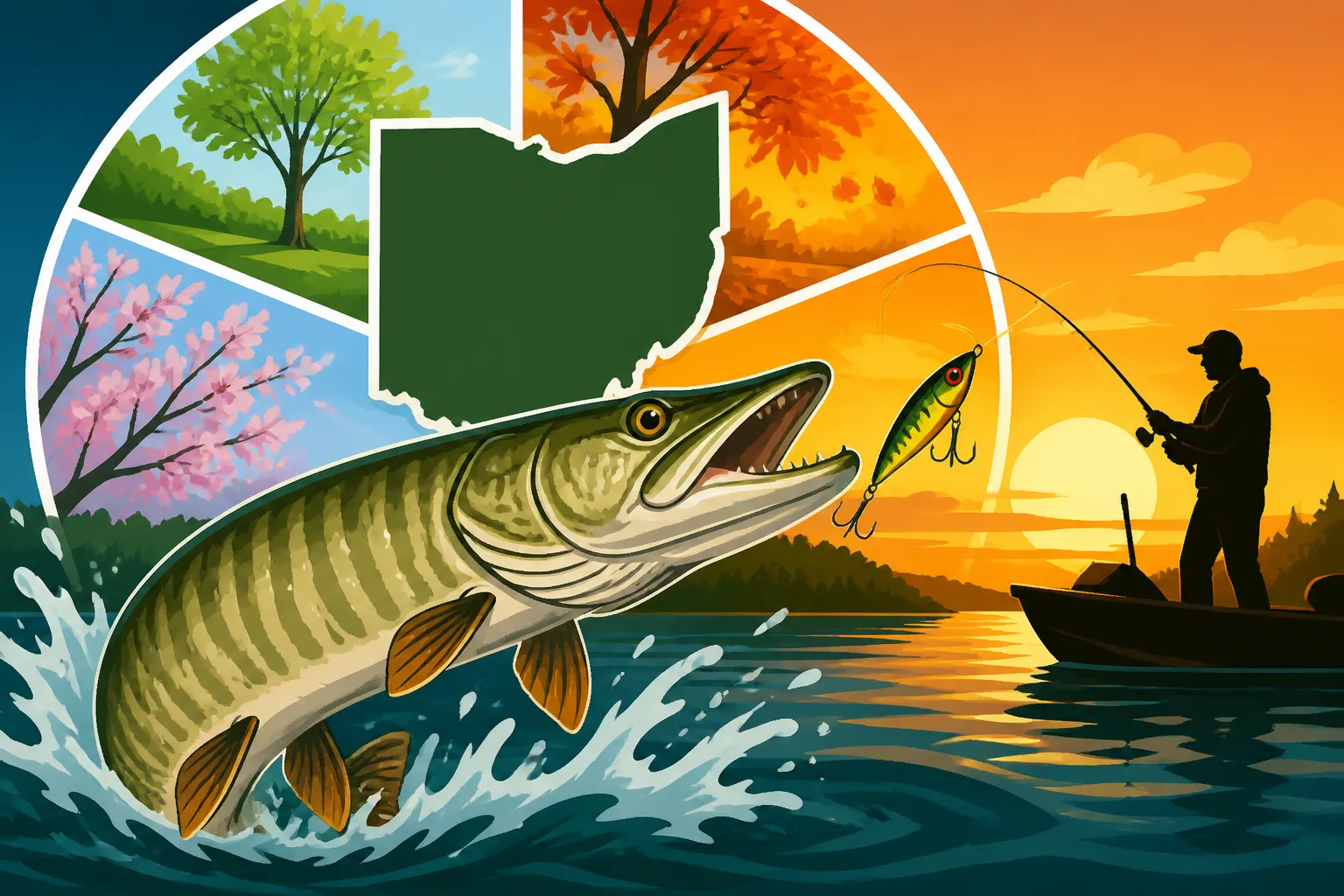
When Muskie Fishing Peaks in Ohio
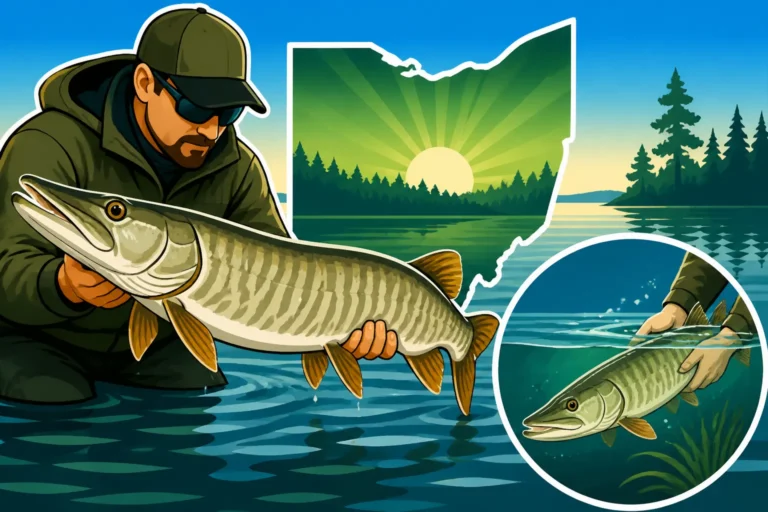
It can feel like a lifelong quest to understand the elusive muskie, often dubbed the "fish of a thousand casts." For many Ohio anglers, the biggest frustration isn't just catching one, but knowing when you even stand a decent chance. It's tough to dedicate precious fishing time without a solid game plan, and that's exactly what this guide aims to provide: a detailed breakdown of when muskie fishing truly peaks in Ohio, helping you maximize your efforts and maybe, just maybe, shorten that "thousand cast" count.
Understanding Ohio's Muskie Seasons: When They Truly Peak
Muskie behavior, like any predator, is heavily influenced by the seasons. Their metabolism, feeding patterns, and locations shift dramatically throughout the year. While you can technically catch a muskie any time the water isn't frozen solid, and even through the ice, there are definitely distinct windows when your odds of encountering these magnificent fish skyrocket. Knowing these peak times is like having a secret weapon in your tackle box.
Spring: Post-Spawn Aggression and Recovering Metabolism
As the ice finally recedes from Ohio's lakes and reservoirs, often in March or early April, the muskie start to stir. This early spring period can be a bit tricky. The water is cold, and while some muskie might be staging for the spawn, many are still sluggish. The real action picks up after the spawn, which typically occurs when water temperatures hit the low to mid-50s Fahrenheit, usually late April through May.
Post-spawn, female muskie are often exhausted and need to replenish their energy stores, making them incredibly aggressive feeders. They're not picky; they're looking for an easy meal to recover. Males, having completed their spawning duties, are also often found cruising shallower, warmer waters. This can be an excellent time to target them, especially around emerging weed lines, rocky points, and shallow flats where baitfish are starting to gather. Lures that mimic sluggish baitfish or offer a large profile can be incredibly effective. Don't be afraid to try bucktails, glide baits, or even large crankbaits during this period. For a comprehensive overview of how these seasons fit into the bigger picture, check out our guide on the Ohio Fishing Season Calendar.
Summer: The Dog Days and Deep Water Tactics
Once summer truly sets in and Ohio's waters warm up, muskie fishing can become a bit more challenging, though by no means impossible. The "dog days" of July and August often see muskie retreating to deeper, cooler, more oxygenated waters, especially during the brightest parts of the day. This doesn't mean they stop feeding; it just means their feeding windows become shorter and more concentrated.
Anglers often find success during low-light conditions – dawn, dusk, or even at night. During the day, focusing on structural elements like deep points, humps, sharp breaks, and thermocline layers can yield results. Trolling deep-diving crankbaits or casting large soft plastics and jerkbaits to suspended fish can be effective strategies. While Amazon offers a vast selection, many dedicated muskie anglers often gravitate towards specialized retailers for their high-quality, large-profile lures needed for these conditions. Remember, muskie are still predators, but they might be less willing to chase a lure a long distance in warm water, so presentations need to be precise and often slower.
Fall: The Absolute Prime Time for Trophy Muskie
Without a doubt, fall is the peak season for muskie fishing in Ohio, and indeed, for much of the muskie range. As water temperatures begin to drop in September, October, and into November, muskie enter a "feeding frenzy" mode. They know winter is coming, and they need to pack on as much weight as possible. This is when you hear stories of the true giants being caught.
During this time, muskie become incredibly aggressive and will often chase lures with unparalleled ferocity. The turnover period, when the water column mixes due to cooling surface temperatures, can sometimes make fishing tough for a few days, but once it settles, the bite can be phenomenal. They'll be found in a variety of depths, often shallower than you'd expect, crashing baitfish schools. Big bucktails, large crankbaits, gliders, and even oversized soft plastics can be deadly. This is the time to throw your biggest, flashiest baits, as the muskie are actively hunting. If you're chasing that elusive state record, understanding How Big Muskie Get in Ohio Lakes and dedicating your efforts in the fall is your best bet.
Winter: The Niche of Ice Fishing Muskie
While not as widely practiced as open-water muskie fishing, winter offers a unique, albeit niche, opportunity for dedicated anglers to target muskie through the ice. Once lakes have safe, solid ice cover (usually late December through February), muskie can be caught using heavy-duty tip-ups rigged with large live bait, typically suckers or large shiners.
This is a waiting game, often requiring patience in cold conditions, but the rewards can be significant. Muskie metabolism slows down dramatically in cold water, but they still need to feed. They won't chase as far or as fast, making live bait a preferred method. It’s critical to use strong leaders and ensure your gear can handle the immense power of a muskie. Safety is paramount when ice fishing; always check ice thickness and follow local guidelines. Our Ohio Ice Fishing Guide provides essential tips for staying safe and successful during the colder months.
Key Factors Influencing Muskie Activity During Peak Seasons
Understanding the general seasonal peaks is crucial, but true muskie success lies in delving deeper into the specific environmental cues that trigger these apex predators. Muskie are highly sensitive to their surroundings, and a few key factors dictate their behavior during those crucial peak windows.
Water Temperature and Oxygen Levels
Water temperature is perhaps the most critical factor influencing muskie activity. They are cold-blooded, so their metabolism directly correlates with the water temperature.
- Optimal Range: Muskie tend to be most active in water temperatures ranging from the mid-60s down into the low 50s Fahrenheit. This is why spring (post-spawn) and especially fall are so productive. In the fall, as water cools but before it gets too frigid, their metabolism is high, and they're driven to feed.
- Warm Water (Summer): In peak summer, when surface temperatures soar into the 80s, muskie seek out cooler, deeper water, often near the thermocline (the boundary between warm surface water and cold deep water). Here, they find more comfortable temperatures and often better oxygen levels. They become less active during the day and will move shallower to feed during low-light periods.
- Cold Water (Winter): Below 40 degrees Fahrenheit, muskie become very sluggish. Their feeding windows are short, and they prefer large, slow-moving meals (hence the effectiveness of live bait on tip-ups).
- Oxygen: While not as often discussed as temperature, oxygen levels are also vital. During summer, warm water holds less dissolved oxygen. Muskie will move to areas with higher oxygen, which can be deeper areas with springs, current, or active baitfish. Understanding how muskie interact with their environment helps to inform your approach.
Forage Abundance and Movement
Muskie are opportunistic predators, and their movements are inextricably linked to their primary food sources. If you find the bait, you're likely to find the muskie.
- Spring: After the spawn, muskie will often target easily accessible baitfish that are themselves spawning or recovering from winter. Think shallow bays and weed edges where minnows, suckers, or perch are congregating.
- Summer: During summer, muskie often follow schools of shad, cisco, or other pelagic baitfish into deeper water or suspend with them over open water. They might also patrol deeper weed edges or rock formations where larger forage fish hide. Searching for schooling baitfish on your electronics can be a huge clue.
- Fall: This is the time when baitfish are also bulking up and often moving into shallower bays and coves as the open lake cools. Muskie will follow these schools, pushing them against structure, and can be incredibly aggressive when doing so. This period sees many large suckers and other substantial meals becoming prime targets for muskie. Knowing Best Baits for Ohio Catfish can sometimes give clues to other large forage available.
Weather Patterns and Barometric Pressure
Weather and barometric pressure can turn a hot bite cold or ignite a frenzy in minutes. Ignoring these subtle shifts is a mistake many anglers make.
- Stable Weather: Generally, stable weather patterns with consistent barometric pressure are good for muskie fishing. Fish tend to follow predictable patterns.
- Falling Barometer (Pre-Front): A falling barometer, often preceding a cold front or storm, can trigger intense feeding activity. Muskie sense the change and feed aggressively before conditions worsen. This is often an excellent time to be on the water.
- Rising Barometer (Post-Front): After a cold front passes and the barometer rises, fishing can become much tougher. Muskie often become lethargic and move to deeper, denser cover. You might need to slow down your presentation, downsize your lures slightly, or focus on presenting them directly into cover. Patience is key during these post-front conditions.
- Wind and Clouds: Overcast days and choppy water (due to wind) often improve muskie fishing. The reduced light penetration makes muskie feel more comfortable moving into shallower water, and the chop breaks up their visual line, making them less wary and obscuring your presence. For broader context on how weather affects fishing, exploring Best Weather Conditions for Lake Erie Walleye Fishing can offer valuable insights.
| Season | Peak Period | Water Temperature Range (F) | Primary Forage Activity | Typical Muskie Behavior |
|---|---|---|---|---|
| Spring | Late April – May | 50-65 | Post-spawn, shallow | Recovering from spawn, aggressive feeding bursts |
| Summer | June – August | 70-80+ | Deep, open water | Retreats to deep, cooler water; low-light feeding |
| Fall | Sept – Nov | 45-65 | Bulking up, shallowing | Intense feeding, highly aggressive, trophy season |
| Winter | Dec – Feb | Below 40 | Sluggish | Slow metabolism, minimal chasing, targets live bait |
Top Ohio Muskie Waters and Specific Peak Insights
Ohio boasts some truly fantastic muskie fisheries, each with its own nuances and peak patterns. While the general seasonal guidelines apply, understanding the specific characteristics of these lakes can fine-tune your approach and increase your chances of success. Many anglers find the best tackle for these specific lakes by browsing online, and Amazon is often a go-to for quick delivery of those essential lures and tools.
Northeast Ohio Gems: Mosquito, West Branch, and Piedmont
Northeast Ohio is a muskie angler's paradise, home to some of the state's most storied muskie waters.
- Mosquito Creek Lake (Cortland): This expansive, shallow reservoir is known for producing a good number of muskie. Its peak times largely align with the general Ohio pattern, with a strong spring post-spawn bite and an absolutely legendary fall season. In fall, as water levels drop slightly and weeds die back, muskie can be found concentrating around remaining weed lines, submerged timber, and the deeper channels. The extensive shallow flats mean a good topwater bite can occur in low light during early summer and fall. Anglers often swear by large bucktails and swimbaits here.
- West Branch Reservoir (Ravenna): A deeper, clearer lake than Mosquito, West Branch offers different challenges and rewards. Here, muskie might hold deeper in summer, relating more to main lake points, humps, and submerged timber. The fall bite is still king, with fish becoming more active and moving into shallower ambush points. Early spring, targeting bays that warm up faster, can also be productive. This lake is known for its incredible scenic beauty, making every trip a pleasure, even if the muskie are being finicky.
- Piedmont Lake (St. Clairsville): Managed as a trophy muskie lake, Piedmont is where many anglers chase their personal bests. It's often clearer and deeper than Mosquito, meaning summer muskie will be found deeper. The fall here is exceptional, with muskie actively feeding on the lake's abundant forage base. Target points, deep weed edges, and creek channels. For an in-depth look at this lake, consult our Piedmont Lake Muskie Fishing Guide. Patience and persistence are key on Piedmont, but the rewards can be truly massive.
Central and Southern Ohio Muskie Hotspots: Alum Creek and Leesville
While the northeast corner often gets the most press, Central and Southern Ohio also offer excellent muskie fishing opportunities.
- Alum Creek Lake (Delaware): Just north of Columbus, Alum Creek is a popular destination for muskie anglers. Its peak season follows the general rule, with a great post-spawn spring bite and a phenomenal fall window. Summer fishing requires targeting deeper water, often along the old river channel or deeper points. Alum Creek is regularly stocked with muskie, contributing to its strong population. Large crankbaits and glide baits are often effective here. Our Alum Creek Lake Muskie Fishing Tips can provide more specific strategies for tackling this exciting fishery.
- Leesville Lake (Carrollton): Another trophy muskie lake, Leesville is well-regarded for its potential to produce giant fish. It's an electric-only lake, which contributes to a quieter, more peaceful fishing experience. Like Piedmont, the fall bite is paramount here, with muskie bulking up on large forage. The spring post-spawn period is also strong, particularly in the shallower arms of the lake. Leesville is a unique challenge due to its clear water and hilly terrain, but the reward of a Leesville giant is worth the effort.
Reading the Local Reports and Expert Advice
While guides like this provide excellent foundational knowledge, nothing beats current, hyper-local information.
- Bait Shops: Your local bait and tackle shop is an invaluable resource. The folks behind the counter live and breathe fishing in their area and often have up-to-the-minute reports on what's biting, where, and on what.
- Online Forums and Social Media: Dedicated Ohio muskie fishing groups on social media platforms or online forums can offer a wealth of shared knowledge and recent reports.
- Fishing Guides: For an accelerated learning curve, consider hiring an experienced muskie guide. They can put you on fish quickly and teach you invaluable techniques and local patterns. Guides on Ohio Muskie Fishing Guide Services often track these peak periods meticulously. They know the current conditions and can adjust strategies on the fly, saving you countless hours of trial and error. Also, don't forget that finding the Best Lures for Ohio Muskie for your specific lake and season can make all the difference, and a guide often has the inside scoop. Many anglers even browse Amazon for specific lures recommended by local guides to replicate their success.
By understanding the seasonal shifts, the environmental factors at play, and leveraging local expertise, you can significantly increase your chances of finding and landing one of Ohio's magnificent muskies during their peak activity periods.
Disclaimer
Fishing conditions and regulations in Ohio can change. Always consult the latest Ohio Department of Natural Resources (ODNR) fishing regulations booklet or website before heading out on the water. This information is for general guidance only.