Do You Need Planer Boards to Catch Lake Erie Walleye?
It’s a common scenario for anglers, especially those just getting into the incredible walleye fishery on Lake Erie: you see seasoned captains out there, their boats adorned with an array of lines fanning out, seemingly defying physics. You might be wondering, "Do I really need all that fancy gear, specifically planer boards, to catch those elusive Lake Erie walleye?" The short answer is no, not absolutely required, but they sure do offer some significant advantages. This guide will help you understand what planer boards do, when they become incredibly useful, and how you can still be successful without them.
The Role of Planer Boards in Lake Erie Walleye Fishing
When you picture Lake Erie walleye fishing, especially the trolling scene, those wings extending from the sides of the boat are almost iconic. These aren't just for show; they serve a very important purpose in maximizing your chances of success.
What Planer Boards Are and How They Work
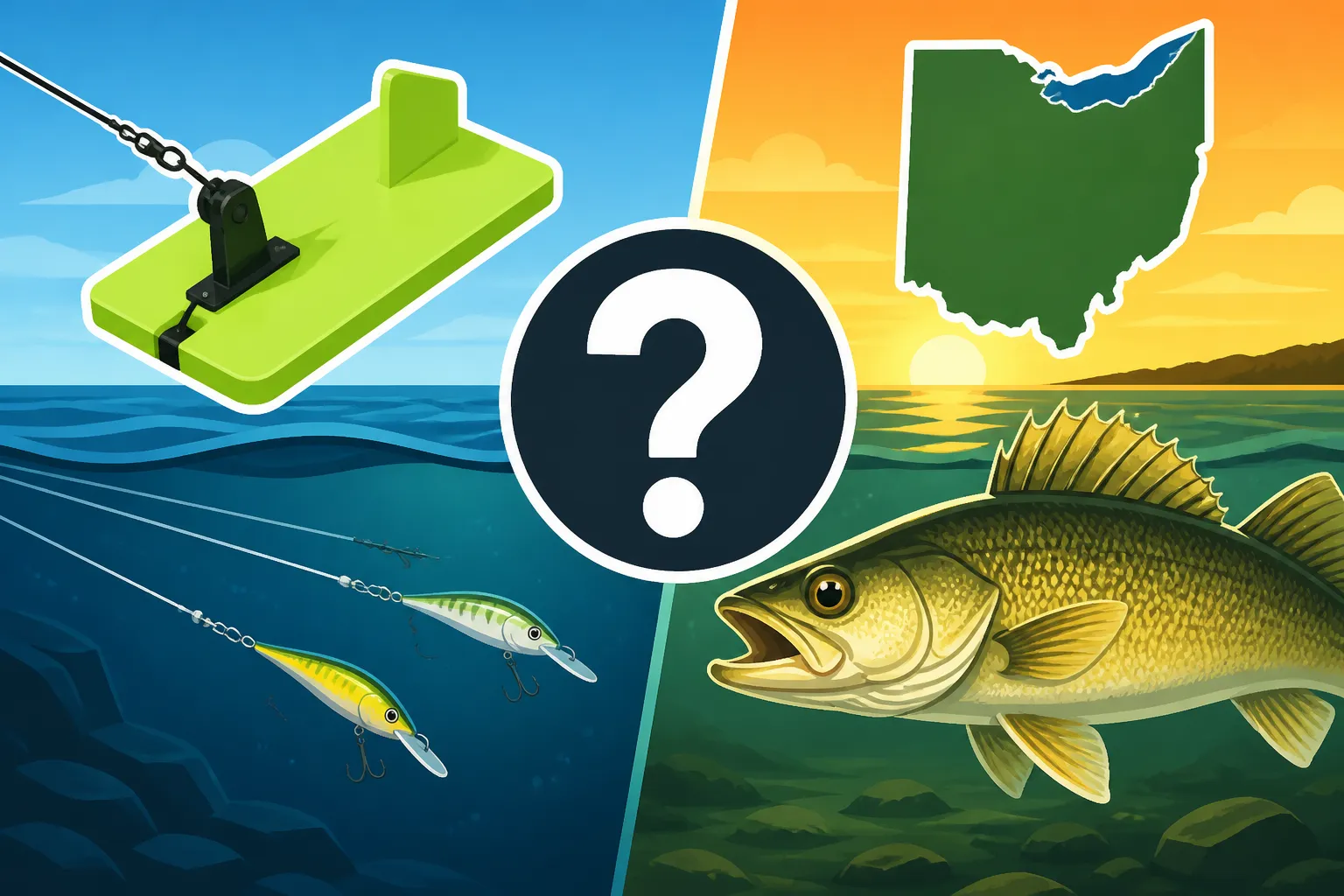
At their heart, planer boards are essentially kites for your fishing lines. They are designed to be deployed from your boat and, as you troll forward, they "plane" out to the sides, away from the boat's prop wash and engine noise. Your fishing lines are then attached to a release clip on the planer board line, allowing them to also run out wide. When a fish hits, the release clip detaches, and you fight the fish directly on your rod.
Think of it like this: your boat creates a disturbance in the water. Fish, being wary creatures, often shy away from this commotion, especially in shallower or clearer waters. By pulling your lines out to the side, sometimes 50, 100, or even more feet from your boat, planer boards present your baits in a much more natural and less intimidating way. There are inline boards, which attach directly to your fishing line, and mast-style boards, which run off a main line from a mast on your boat, allowing you to attach multiple fishing lines to the main planer board line. Many anglers start with smaller, inline boards before investing in a full mast system.
The Strategic Advantages They Offer for Walleye
The primary advantage of planer boards is the ability to spread out your lines horizontally, covering a much wider swath of water than you could by simply running lines directly off the stern. This wide spread means more baits in the water, increasing your odds of encountering schools of walleye. Imagine trying to find a needle in a haystack, but instead of just one hand, you suddenly have five or six hands sweeping through a larger area simultaneously. That's what planer boards do for your trolling spread.
Furthermore, by taking your baits out of the boat's immediate path, you're presenting them to walleye that haven't been spooked by the boat's shadow or engine noise. This can be absolutely critical on days when fish are particularly finicky or in areas with high boat traffic. It also allows you to experiment with different depths and lure combinations across your spread without tangling lines – a common frustration for anglers trying to run multiple lines without boards. If you're looking for ways to maximize your time on the water, understanding Trolling Techniques for Lake Erie Walleye is a great next step.
When Planer Boards Become a Game-Changer on Lake Erie
While not always strictly necessary, there are definitely situations where planer boards go from being a luxury to a near-essential piece of gear for serious Lake Erie walleye anglers.
Covering More Water and Avoiding Spooked Fish
Lake Erie is a vast body of water, and walleye can be incredibly spread out, especially during certain seasons. When you're trying to locate scattered schools of fish, having a wide trolling spread can be invaluable. Planer boards allow you to present multiple baits over a wider area, drastically increasing your chances of finding where the fish are holding. Instead of relying on a narrow path behind your boat, you can effectively sweep a "minefield" of lures through the water column. This is especially true when walleye are suspended over deep water or are actively hunting baitfish, forcing them to move around a lot.
Moreover, walleye are highly sensitive to boat noise and shadows. In clear water conditions, or on calm days with bright sunshine, a boat passing directly over them can send them scattering. Planer boards effectively circumvent this issue by presenting your lures well outside the "fright zone" of your boat. This subtle presentation can be the difference between a slow day and a hot bite, particularly when targeting large, wary trophy walleye that have seen it all.
Managing Multiple Lines Effectively
Ohio fishing regulations allow you to use a certain number of fishing lines per angler, and many dedicated walleye anglers love to maximize this. Without planer boards, running more than two or maybe three lines directly off the back of your boat can quickly turn into a tangled mess. Lines cross, lures run into each other, and you spend more time untangling knots than actually fishing.
Planer boards solve this problem by allowing you to systematically deploy several lines, each running at a different distance from the boat and potentially at varying depths with different lures. You can easily keep track of which line is where, making it much simpler to identify productive patterns. For instance, you might have one board running shallow with a crankbait, another deeper with a spoon, and yet another in between with a worm harness. This level of organization and experimentation is nearly impossible without boards, making them critical for those who want to run a full spread. You can learn more about How Many Fishing Lines You Can Use in Ohio to plan your setup.
Effective Walleye Tactics Without Planer Boards
If you’re not ready to invest in a full planer board setup, or your boat isn’t quite rigged for it, don’t despair! There are plenty of fantastic ways to catch Lake Erie walleye without ever deploying a board.
Diving Devices and Lead Core: Precision Trolling Alternatives
For anglers still wanting to troll but without the wide spread of planer boards, diving devices like Dipsy Divers, Jet Divers, or even heavy inline weights are excellent alternatives. These tools are designed to take your lures down to a specific depth and, in the case of Dipsy Divers, also pull your line slightly out to the side. While they don't offer the extreme spread of a planer board system, they do create a lateral presentation that helps keep baits away from the boat and allows for precise depth control.
Lead core line is another popular choice. This specialized line has a lead weight woven into its core, allowing it to sink as you troll. By letting out a specific amount of lead core, you can consistently hit precise depths. Many anglers combine lead core with various crankbaits or spoons to create a very effective, deep-trolling setup. While it means fewer lines in the water compared to a full planer board spread, it’s a highly effective method for targeting suspended walleye or those holding tight to structure. Understanding How Deep to Troll for Walleye in Early Summer is crucial for these methods.
Jigging and Drifting: Hands-On Approaches
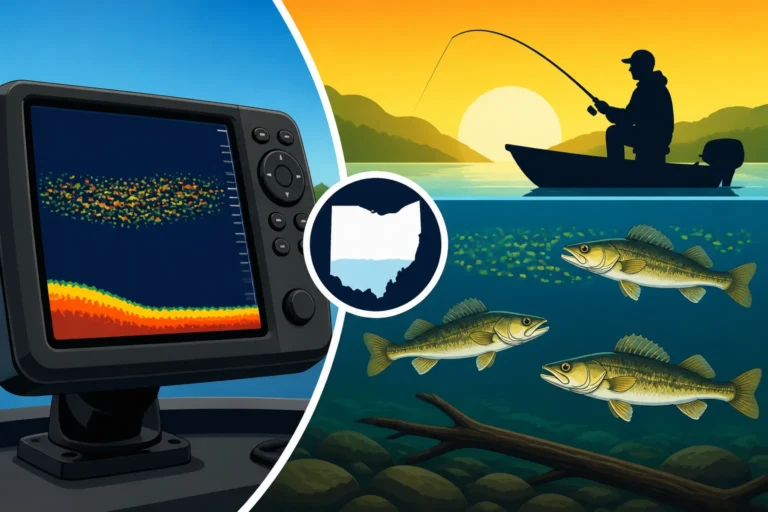
Sometimes, the best way to catch walleye is to go back to basics. Jigging and drifting are incredibly effective, and often more interactive, ways to put walleye in the boat. Vertical jigging, using spoons, blade baits, or soft plastics, can be deadly when walleye are concentrated in specific areas, especially over rocky humps, reefs, or channel edges. Your fish finder is your best friend here, showing you exactly where the fish are holding, and you simply drop your jig right into the strike zone. This approach is very common in the Western Basin of Lake Erie during spring and fall.
Drifting with a worm harness or a minnow rig, often paired with a bottom bouncer, is another quintessential Lake Erie technique. You let the wind or current move your boat, presenting your bait slowly along the bottom where walleye often feed. This hands-on approach requires no special boards and can be incredibly effective, especially when fish are less active or in specific feeding lanes. It allows for a single-rod focus, which can be great for beginners or those who prefer a more relaxed day on the water. For more on this, check out Jigging Techniques for Lake Erie Walleye.
Shore and Pier Fishing: Walleye Opportunities Without a Boat
Let's not forget that you don't even need a boat, let alone planer boards, to catch walleye on Lake Erie! There are numerous productive shore and pier fishing spots along Ohio's coastline where anglers regularly hook into respectable walleye. Places like the piers in Port Clinton, Sandusky, and Cleveland offer fantastic opportunities, especially during the spring and fall migrations.
These anglers typically use traditional casting methods with stickbaits, spoons, or bottom rigs with live bait. While you won't be covering miles of water, you're targeting specific areas where walleye naturally congregate, such as channel mouths, harbor entrances, and rip-rap shorelines. It’s a completely different style of fishing, focusing on precise casts and understanding fish movements near shore, proving that you can absolutely enjoy the thrill of catching Lake Erie walleye without any trolling gear at all. Finding a great Best Rod and Reel Setup for Lake Erie Walleye will serve you well in any of these scenarios.
Deciding If Planer Boards Are Right for Your Lake Erie Adventures
Ultimately, whether you "need" planer boards comes down to your personal fishing style, your budget, your boat, and your level of dedication to trolling as a primary method.
Considering Your Budget, Boat, and Fishing Style
A full planer board setup, complete with a mast, specialized reels, and multiple boards, can be a significant investment. Inline boards are a more budget-friendly entry point, but still add to your overall gear cost. Before diving in, consider how often you plan to troll for walleye and if that investment aligns with your fishing goals. You can often find a good range of options, from basic to advanced, on platforms like Amazon.
Your boat also plays a role. While inline boards can be used on almost any boat, a full mast system is typically better suited for larger vessels with ample deck space. Smaller boats might find a mast cumbersome, and running multiple lines from inline boards can still get tricky. Finally, think about your preferred fishing style. If you love the active engagement of jigging or the simplicity of drifting, then planer boards might not be a priority. If you're a dedicated troller who wants to maximize efficiency and cover vast expanses of water, they become much more appealing. Each method has its merits, and there's no single "right" way to fish. For a broader look, consult our Ohio Walleye Fishing Guide.
Starting Simple and Upgrading Your Walleye Arsenal
Many successful Lake Erie walleye anglers started with just one or two rods, maybe pulling a Dipsy Diver or a simple crankbait directly off the stern. They learned the lake, understood walleye behavior, and then gradually added more specialized gear as their passion grew. There's nothing wrong with starting small. Master the basics of trolling speed, lure selection, and reading your fish finder before investing heavily.
You can always start with a couple of inline planer boards, which are relatively inexpensive and can be deployed with standard trolling rods. This allows you to test the waters, literally, and see if the wide spread benefits your fishing. If you find yourself consistently having more success with lines running off the boards, and you enjoy the trolling method, then you can consider upgrading to a full mast system down the line. The journey of learning and acquiring new skills and gear is part of the fun of fishing!
Here’s a quick overview of different tactics:
| Trolling Technique | Primary Advantage | Planer Boards Needed? | Ideal for | Gear Considerations |
|---|---|---|---|---|
| Planer Board Trolling | Wide spread, avoid spooking | Yes | Dispersed fish, clear water, multiple lines | Boards, mast (optional), specific release clips |
| Dipsy Diver/Jet Diver Trolling | Depth control, some side spread | No | Specific depths, fewer lines | Divers, heavier rods |
| Lead Core Trolling | Precise depth control | No | Deep suspended fish, consistent depth | Lead core line, longer rods for shock absorption |
| Drift Fishing (Worm Harness) | Natural presentation, slow | No | Active or scattered fish on bottom | Bottom bouncers, worm harnesses, live bait |
| Vertical Jigging | Pinpoint accuracy | No | Concentrated fish, structure fishing | Jigs, blade baits, good fish finder |
| Shore/Pier Casting | No boat needed, accessible | No | Migratory fish, specific structures | Casting rods, spoons, stickbaits, bottom rigs |
Ultimately, while planer boards are fantastic tools that can significantly enhance your Lake Erie walleye trolling game, they are not a prerequisite for success. Many anglers consistently catch limits using alternative trolling methods, or by focusing on jigging and drifting. It's about finding what works for you, your boat, and your budget, and most importantly, getting out there and enjoying the phenomenal fishing Ohio has to offer! If you're curious about more gear, our guide on Best Ohio Fishing Gear and Tackle Guide might be helpful.
Disclaimer
This article is for general informational purposes only and does not constitute professional advice. Laws, prices and regulations vary by location and change over time. Consult a qualified professional for guidance on your specific situation.