Best Season to Target Multiple Species in One Ohio Trip
It can feel a bit overwhelming, can't it? You head out to the water with high hopes, dreaming of a diverse cooler full of delicious fish, but sometimes you end up targeting just one species because you're unsure when and where the real multi-species action happens. If you're tired of guessing and want to maximize your chances of catching a variety of fish in Ohio on a single trip, this guide is for you. We'll dive deep into the best times of year to hit the water, focusing on those sweet spots when different fish species are active and accessible, helping you plan your most rewarding outings yet.
Understanding Ohio's Seasonal Rhythms for Multi-Species Success
Ohio's waters are dynamic, constantly changing with the seasons, and so are the fish that inhabit them. To truly unlock the potential for a multi-species fishing trip, you need to understand the underlying rhythms that dictate fish behavior. It's not just about what month it is; it's about water temperature, food availability, and those innate biological urges that drive fish to certain areas at specific times.
The Interplay of Water Temperature and Fish Activity
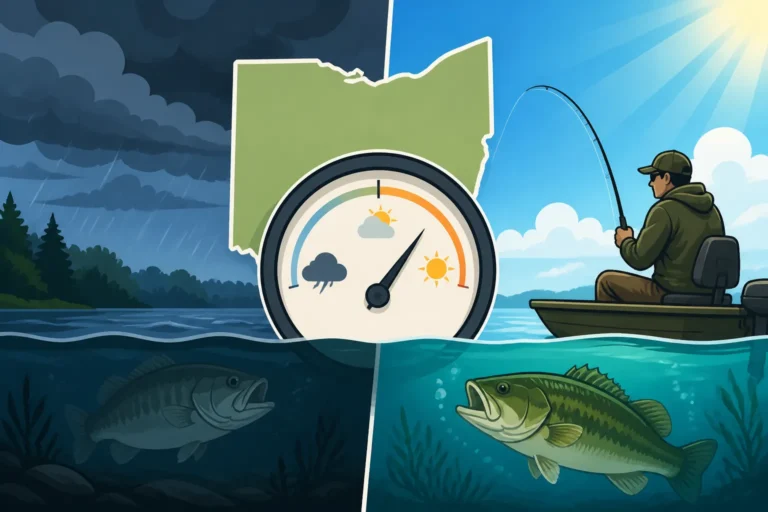
Think about it like this: fish are cold-blooded creatures, and their metabolism is directly tied to the water temperature around them. When the water is frigid, many species become lethargic, conserving energy. As it warms up, their activity levels increase, they need to eat more, and they start thinking about spawning. This is why a shift of even a few degrees can completely change where fish are holding and how willing they are to bite. For instance, in early spring, species like northern pike and perch might be quite active in cooler waters, while largemouth bass are still tucked away in deeper, warmer pockets, waiting for the sun to really start beating down.
Then, as summer approaches and the water gets really toasty, some fish, like certain trout species, will seek out cooler, deeper refuges or move into spring-fed streams. Meanwhile, others, such as channel catfish, absolutely thrive in warm water and become incredibly active, especially during the low-light hours. Understanding these preferences is key. It allows you to anticipate which species will be in prime feeding mode and where they'll likely be concentrated, giving you a huge advantage when you're trying to put together a mixed bag of fish. Knowing how different species react to temperature gradients can literally put you on fish that someone else might overlook because they're only focused on one type of bite.
Prime Migration and Spawning Windows
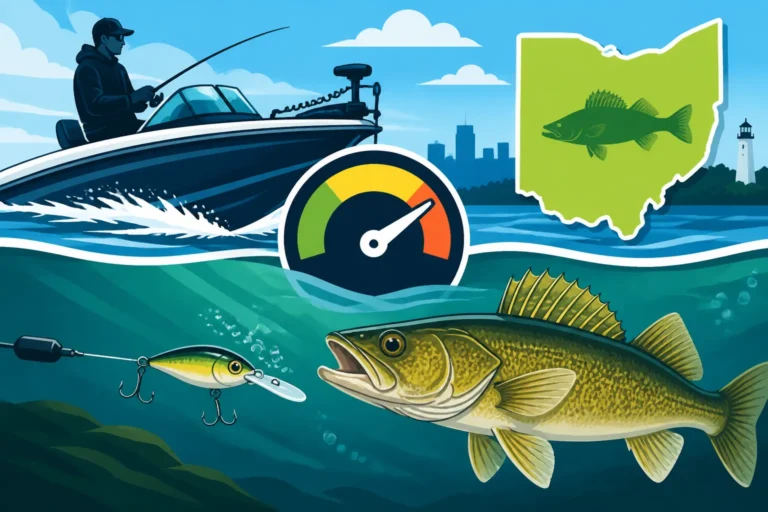
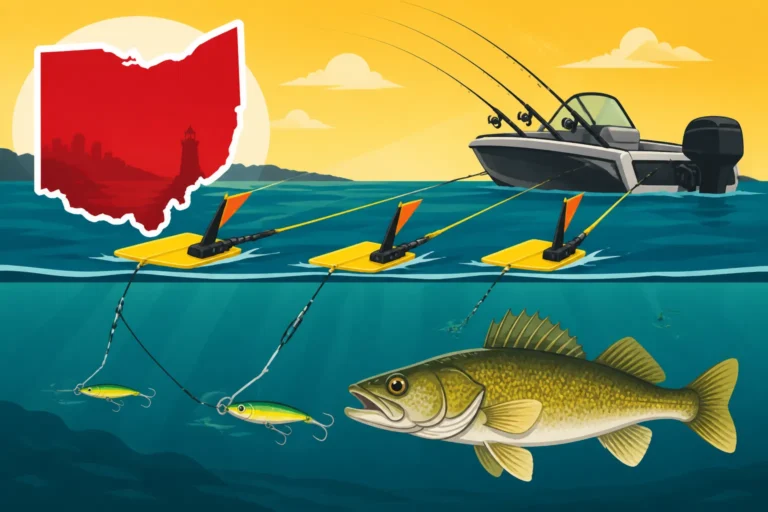
Beyond just general activity, specific biological events like spawning migrations create incredible opportunities for targeting multiple species. These aren't just random movements; they're driven by powerful instincts, concentrating fish in predictable locations. Take the spring walleye run in Lake Erie tributaries, for example. While the walleye are the main attraction, these runs also bring in other opportunistic feeders, and the rivers themselves hold resident species that become more active with the influx of baitfish and increased metabolic rates. Ohio Walleye Fishing Guide will give you a detailed look into this exciting time.
Similarly, consider the steelhead runs in the fall and spring. These incredible fish flood Ohio's tributary streams, creating a unique fishery. But those same streams also hold smallmouth bass, suckers, and sometimes even resident brown trout, all of whom might be competing for food or reacting to the same environmental cues. Crappie moving into shallow water for their spring spawn is another classic example. They become incredibly accessible, and often, bluegill and other panfish are staging nearby, also preparing for their own reproductive cycles. These windows, when a major event draws large numbers of one species, often coincide with increased activity from others, making them ideal for multi-species anglers. It's about being in the right place at the right time when nature calls the fish to gather.
Spring: The Burst of Multi-Species Opportunities
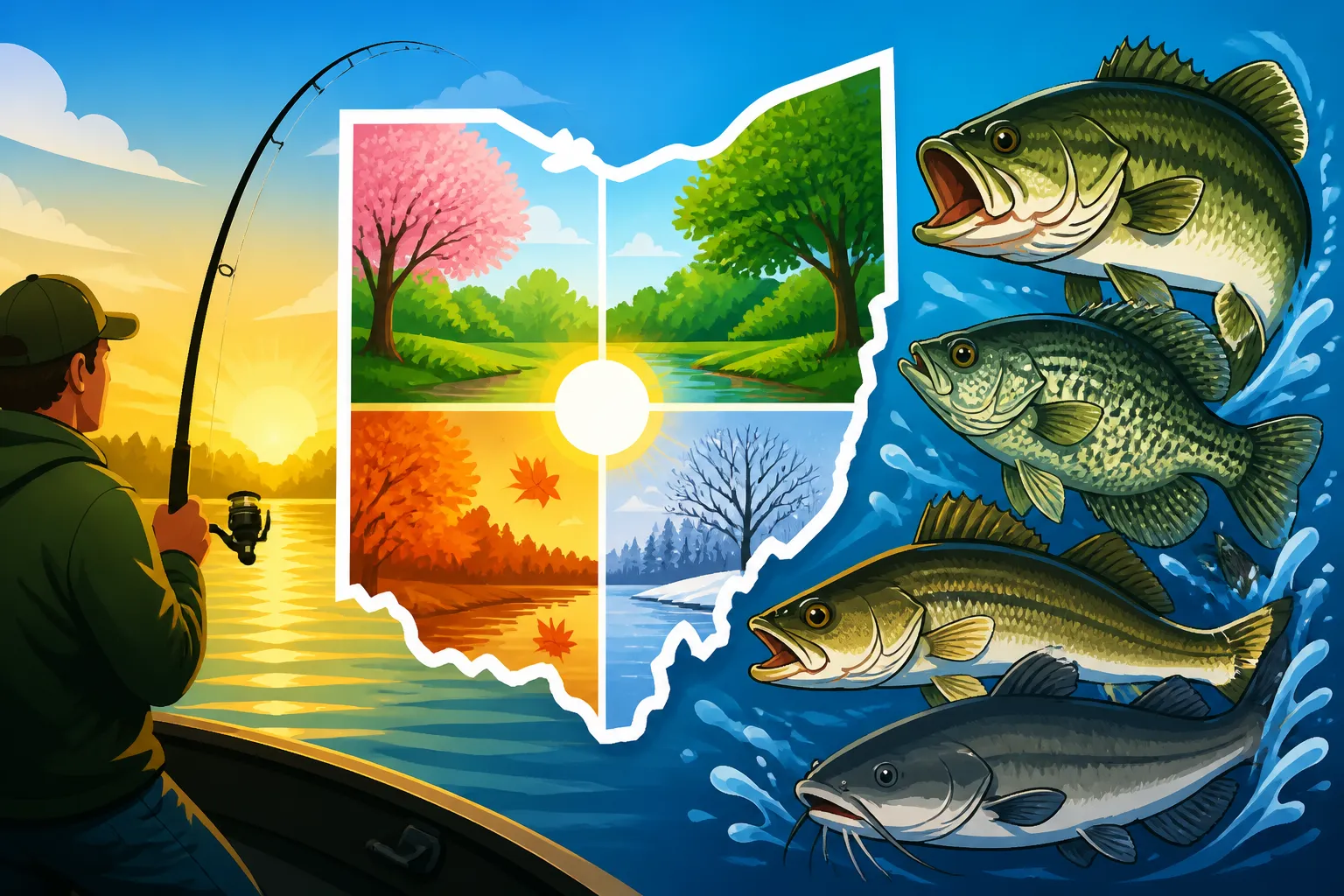
Without a doubt, spring is one of the absolute best times in Ohio to target multiple species. After the long, cold winter, everything in the natural world seems to burst with renewed energy, and fish are no exception. The waters begin to thaw, temperatures gradually climb, and fish start to shake off their winter dormancy, driven by the urge to feed and reproduce.
Early Spring: Cool Water Aggressors
As soon as the ice melts and the first hints of warmth touch the water, a specific group of fish becomes incredibly active. These are the cool-water aggressors, and they offer some fantastic multi-species action. In the northern parts of Ohio, especially around Lake Erie and its tributaries, early spring means one thing for many anglers: steelhead. These powerful trout surge into the rivers, creating a world-class fishery. While you're targeting steelhead, it's not uncommon to encounter stray brown trout, active smallmouth bass, or even northern pike in the lower reaches of these rivers. Knowing Ohio Steelhead Fishing Techniques can greatly increase your chances.
At the same time, in many inland lakes and reservoirs, species like yellow perch and crappie are beginning to stir. They might still be holding in slightly deeper water but are actively feeding, preparing for their upcoming spawn. Walleye, too, are making their move towards spawning grounds in both Lake Erie and larger inland reservoirs like Mosquito Creek Lake or Hoover Reservoir. These fish are often quite concentrated, and a well-placed jig or minnow can entice not only walleye but also a good-sized northern pike or even a chunky largemouth bass that's still moving slowly in the cool water. It's a time of transition where many fish are congregated, making them more predictable and catchable.
Late Spring: The Warming Water Bonanza
As spring progresses and water temperatures really start to climb into the 50s and 60s Fahrenheit, Ohio transforms into a multi-species paradise. This is when the "warming water bonanza" truly kicks in, opening up a wider array of angling opportunities across almost all bodies of water. The shiners and baitfish become more active, and the gamefish follow suit, moving into shallower areas.
One of the biggest draws in late spring is the crappie spawn. These popular panfish move into very shallow water, often around brush piles, submerged timber, and weed beds, making them highly accessible to anglers, whether from a boat or from shore. While targeting crappie with small jigs or minnows, it's virtually guaranteed you'll also encounter eager bluegill, sunfish, and sometimes even a cruising largemouth bass that's eyeing the same structure. Check out Best Time of Year for Ohio Crappie Fishing for more insights on this. It's truly a time when you can fill a cooler with a variety of delicious panfish. Simultaneously, largemouth and smallmouth bass become much more active and aggressive, feeding heavily before their own spawning periods. They’ll readily hit a variety of lures, from crankbaits to soft plastics. This overlap of aggressive panfish and hungry bass in similar shallow cover makes late spring an exceptional time for anglers seeking a diverse catch.
Fall: The Feeding Frenzy Before Winter
Just as spring signifies a reawakening, fall in Ohio brings about a different kind of intensity for anglers. As the days shorten and the air cools, signaling the approach of winter, many fish species enter a crucial "feeding frenzy." They know that lean times are coming, and they need to pack on calories, making them incredibly aggressive and often easier to catch.
Cooling Waters, Aggressive Feeders
When the leaves start to change color and a crispness enters the air, Ohio's lakes and rivers begin to cool down from the summer heat. This drop in water temperature is a huge trigger for many of our most sought-after species to feed aggressively. Walleye, for instance, often move shallower in the fall, particularly on Lake Erie and in larger inland reservoirs, as they gorge on baitfish. Trolling or casting crankbaits can yield not only good numbers of walleye but also impressive smallmouth bass and even a chunky yellow perch or two that are chasing the same bait schools. Ohio Walleye Fishing Guide will have you covered for this species.
Muskie, Ohio's apex predator, are also notorious for their fall feeding binge. They become incredibly active, often chasing larger baits as they try to put on weight for winter. When you're throwing big baits for muskie, it's not entirely out of the question to hook into a large northern pike or even a truly massive bass that can't resist a substantial meal. This is the time when trophy fish are often caught because they are so focused on feeding. For anglers aiming for size and variety, fall offers some of the most exciting action. You'll find a great selection of muskie lures and heavy-duty tackle on online retailers like Amazon, ensuring you're ready for whatever bites.
Return of the River Run Species
One of the most exciting aspects of fall fishing in Ohio, especially for multi-species enthusiasts, is the return of the river run species. Just like in spring, certain fish are drawn from the big lakes back into the tributary rivers, creating predictable concentrations of fish that can offer incredible action. Foremost among these are the steelhead trout, which begin their annual pilgrimage from Lake Erie into its feeder streams like the Rocky River, Grand River, and Vermilion River. They're chasing cool water and preparing for their spring spawn, but they are very much catchable in the fall.
While targeting these chrome beauties, you'll also find resident smallmouth bass still active in the rivers, along with various panfish and suckers. Down in southern Ohio, the Ohio River sees its own fall migration, with sauger becoming more active in the cooling waters. These cousins of the walleye will often concentrate in current breaks and eddies, and you can catch them alongside various catfish species that are also still feeding before the deepest cold sets in. It’s a fantastic opportunity to diversify your catch by being in areas where different fish naturally overlap during their pre-winter movements. Focusing on Ohio River Fishing Guide can really help you understand the nuances of this unique fishery.
Tailoring Your Approach for Mixed Bags
Achieving a true multi-species catch isn't just about showing up in the right season; it also requires a thoughtful approach to your techniques and gear. You can't just rigidly stick to one method if you're hoping to land a variety of fish. The key is versatility, knowing how to adapt, and being prepared for different bites.
Versatile Lures and Baits
When you're aiming for a mixed bag, the best strategy is often to use lures and baits that have broad appeal. Instead of hyper-targeting a single species with a very specific presentation, think about what a wide range of fish might be interested in. Live bait is almost always a multi-species magnet. Minnows, worms, and crawlers will entice nearly every freshwater species in Ohio, from panfish and trout to bass, walleye, and catfish. Carrying a variety of these can drastically increase your odds. You can find a wide array of live bait containers and aerators on platforms like Amazon to keep your bait lively all day.
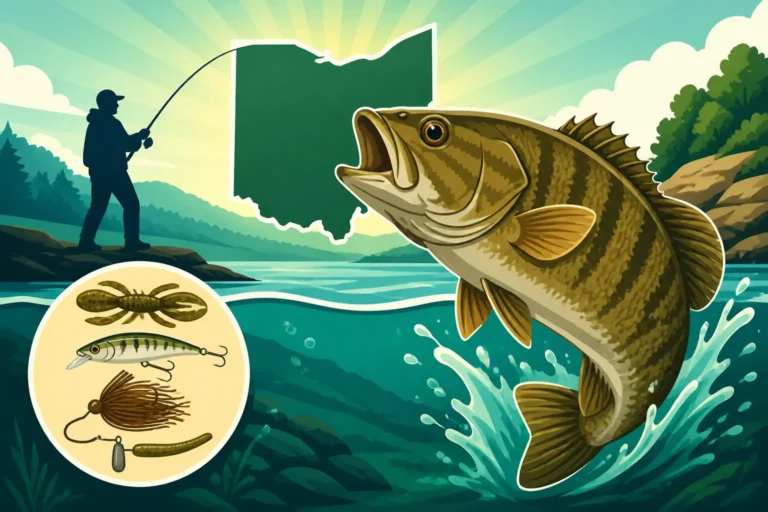
For artificial lures, consider versatile options like small jigs, spinnerbaits, and crankbaits. A 1/16 to 1/8 ounce jig tipped with a plastic grub or a small minnow imitation can catch crappie, bluegill, perch, smallmouth, and even an occasional walleye. Similarly, a small crankbait that dives a few feet can attract bass, walleye, and pike. The trick is to use moderate sizes and natural colors that mimic common forage fish or insects. This way, you're presenting an appetizing meal to a broad spectrum of fish, rather than trying to match a very specific hatch for just one. Think "generalist" in your lure selection, allowing for unexpected but welcome catches. Need some ideas? Check out Best Lures for Ohio Fishing.
Location Scouting for Overlapping Habitats
Finding areas where different species naturally congregate or overlap their preferred habitats is crucial for successful multi-species trips. You're essentially looking for transition zones or areas of diverse structure that appeal to a variety of fish. A great example is a feeder creek mouth where it enters a larger lake or reservoir. This area often has varied depths, current, and an influx of baitfish, attracting everything from bass and crappie to walleye and catfish.
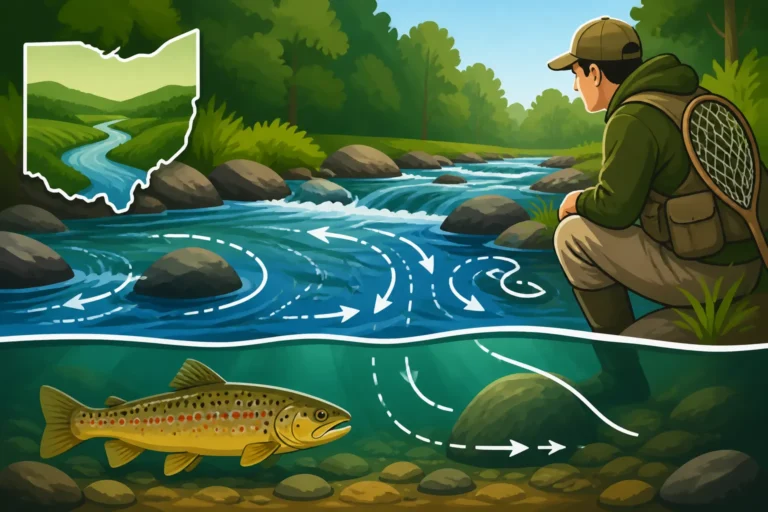
Another prime location type is a diverse shoreline with a mix of rock, gravel, submerged timber, and weed lines. Largemouth bass might hold tight to the weeds, while smallmouth prefer the rocky points, and crappie might be suspended over the timber. By slowly working such an area with versatile baits, you can probe different micro-habitats and connect with various species. Public fishing piers, jetties, and docks on larger lakes often offer this kind of diversity, as they provide cover and access to different depths. River bends with current breaks, eddies, and fallen trees also create ideal multi-species zones. When you're scouting, look for complexity in the environment – places that aren't just one type of habitat, but a mix, promising a more varied population of fish. Don't forget to check out Ohio's Best Shore Fishing Spots for some excellent ideas.
| Season | Primary Multi-Species Target Window | Key Species Often Caught | Common Locations |
|---|---|---|---|
| Early Spring | Ice-out to mid-April | Steelhead, Walleye, Northern Pike, Yellow Perch, Crappie | Lake Erie tributaries, larger inland reservoirs, shallow bay areas |
| Late Spring | Mid-April to early June | Largemouth Bass, Smallmouth Bass, Crappie, Bluegill, Saugeye | Shallow bays, weed beds, brush piles, rocky points, reservoir flats |
| Fall (Early) | September to October | Walleye, Muskie, Largemouth Bass, Smallmouth Bass, Yellow Perch | Main lake basins (deep & shallow), submerged structure, rocky reefs |
| Fall (Late) | Late October to December | Steelhead, Sauger, Walleye, Catfish, Smallmouth Bass | Lake Erie tributaries, Ohio River, lower sections of major rivers |
Disclaimer
This article is for general informational purposes only and does not constitute professional advice. Laws, prices and regulations vary by location and change over time. Consult a qualified professional for guidance on your specific situation.