Ohio Channel Catfish Fishing Guide
Many Ohio anglers struggle to consistently catch channel catfish, often viewing them as elusive bottom-feeders or mistakenly thinking they only thrive in murky, less appealing waters. This perception can lead to missed opportunities for some truly exciting fishing! This comprehensive guide aims to clear up those misconceptions, empowering you to locate, hook, and land more channel catfish across the diverse waters of the Buckeye State, making your next fishing trip a resounding success.
Understanding the Ohio Channel Catfish
Before you even think about baiting a hook, it’s incredibly helpful to get to know the fish you're after. Channel catfish are fascinating creatures, much more than just whiskered bottom-dwellers. Understanding their biology, how they behave, and what makes them tick is your first step to becoming a successful catfisherman in Ohio.
Identifying a Channel Catfish
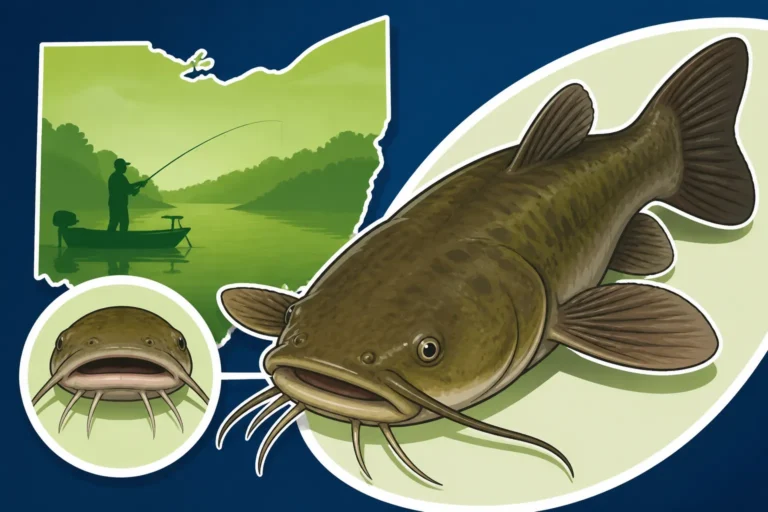
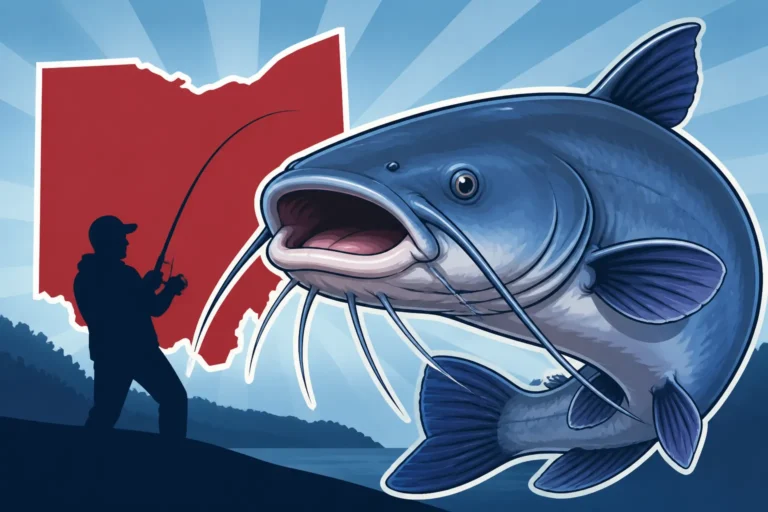
So, you’ve reeled in a catfish – but is it a channel cat? Ohio has a few different species of catfish, and sometimes they can be a bit tricky to tell apart, especially for newer anglers. Channel catfish, scientifically known as Ictalurus punctatus, have a few key characteristics that set them apart. The most distinctive feature is their deeply forked tail, which is much more pronounced than the slightly notched tails of flathead or blue catfish. They also typically have scattered dark spots along their sides, although these spots can be less visible on very large or older fish, or those from murky water environments.
Their bodies tend to be more slender and streamlined than the robust build of a flathead, and they usually sport eight barbels (whiskers) around their mouth – four on the chin, two on the snout, and two extending from the corners of their mouth. These barbels aren't just for show; they're packed with chemoreceptors, acting like super-sensitive taste buds that help the fish locate food in low-light conditions or turbid water. Coloration can vary quite a bit depending on the water clarity and substrate, ranging from olive-green to blue-gray on their backs, fading to silvery sides and a white belly. Knowing these identification markers is crucial, especially when it comes to adhering to Catfish Regulations by Species and ensuring you're targeting the right fish.
Where Channel Catfish Live and How They Behave
Channel catfish are incredibly adaptable, which is part of why they're so widely distributed across Ohio. While they can tolerate a range of environments, they generally prefer waters with moderate currents, such as rivers and larger creeks, but they thrive equally well in lakes and reservoirs. You'll often find them associating with structure – think submerged logs, rock piles, brush, undercut banks, and even bridge pilings. These areas offer them shelter from currents, ambush points for prey, and protection from predators.
Their behavior is heavily influenced by factors like water temperature, time of day, and food availability. Channel cats are primarily nocturnal feeders, meaning they're most active and on the prowl for food from dusk through dawn. However, don't let that deter you from daytime fishing; they'll still bite during the day, especially if the weather is overcast or if they're particularly hungry. They're opportunistic feeders, which means they're not picky and will eat almost anything edible they come across, from insects and crustaceans to smaller fish and decaying organic matter. Understanding What Channel Catfish Eat is key to selecting the right bait.
The Life Cycle of Ohio's Channel Cats
The life cycle of a channel catfish is quite robust, contributing to their healthy populations throughout Ohio. Spawning typically occurs in late spring to early summer when water temperatures reach the upper 60s to low 70s Fahrenheit. Unlike many fish that broadcast their eggs, channel catfish are cavity nesters. The male catfish selects a secluded, dark spot – an undercut bank, a hollow log, a rock crevice, or even an old tire – and prepares a nest. The female then deposits her eggs, which the male fertilizes and then fiercely guards until they hatch, usually within 5 to 10 days, depending on water temperature.
Once hatched, the tiny catfish fry remain in the nest for a few more days, feeding off their yolk sacs, before dispersing. They grow relatively quickly, reaching catchable sizes within a few years. Their longevity can be impressive, with some channel cats living well over a decade, though most fish caught by anglers are typically much younger. Their strong reproductive habits and adaptability mean healthy numbers of channel catfish in most Ohio waters, making them a consistently viable target for anglers.
Top Ohio Destinations for Channel Catfish
Ohio is blessed with an abundance of diverse waterways, and thankfully, channel catfish seem to have made themselves at home in just about all of them. From sprawling rivers to serene inland lakes and even local farm ponds, you’ve got plenty of options. Knowing where to start can be half the battle, so let’s dive into some of the prime spots.
Major Rivers and Their Catfish Opportunities
Ohio's major river systems are absolute goldmines for channel catfish. The Ohio River, of course, is a legendary catfish destination. Its vastness and varied structure – including deep channels, backwater eddies, and countless tributaries – provide ideal habitat. Anglers on the Ohio River often find fantastic action, particularly during the warmer months. Look for areas with current breaks, like behind wing dams, submerged logs, or the mouths of creeks feeding into the main river. These spots concentrate baitfish and provide cover for lurking catfish. Don't forget to check out our Ohio River Fishing Guide for more detailed information.
Beyond the mighty Ohio, rivers like the Scioto, Muskingum, Maumee, and Great Miami also hold excellent populations. These rivers offer a mix of deep pools, riffles, and slower stretches, all of which can attract channel cats. The key is to find areas with a good food source and some form of cover. Bridge pilings, deep bends, and areas with submerged timber are always good bets. Fishing around major dams or locks can also be productive, as the churning water often disorients baitfish and attracts predators.
Lakes, Reservoirs, and Their Hidden Catfish Gems
While rivers get a lot of attention, Ohio's numerous lakes and reservoirs are equally fantastic for channel catfish. Many of these larger impoundments are regularly stocked or maintain robust self-sustaining populations. Lakes like Hoover Reservoir, Alum Creek Lake, and Caesar Creek Lake are known for their strong catfish fisheries. In these larger bodies of water, channel cats will often patrol the deeper flats, submerged humps, and points, especially during the day. As evening approaches, they tend to move shallower, cruising along shorelines, points, and weed edges in search of food.
Don't overlook the role of submerged timber or brush piles in reservoirs. These artificial or natural structures create perfect ambush points and offer catfish a sense of security. Using a fish finder to locate these underwater features can dramatically increase your success. Even lakes not traditionally known as "catfish lakes" can surprise you. Many offer excellent bank access and a chance to catch a good number of eaters, even if trophy-sized fish are less common. Check out a broader list in Best Places to Fish in Ohio to discover other promising waters.
Smaller Ponds and Creeks for Accessible Catfishing
For a more relaxed outing or for anglers with limited access to larger boats, smaller ponds and creeks can provide surprising channel catfish action. Ohio is dotted with countless public and private ponds, many of which hold healthy populations of channel cats, often stocked by the state or private landowners. These smaller waters can be incredibly accessible for bank fishing and are fantastic for introducing kids to the sport.
In smaller creeks and streams, look for deeper pools, undercut banks, and areas where the current slows down, such as behind large rocks or log jams. While you might not pull out a monster Ohio State Record Channel Catfish Weight from every farm pond, they offer consistent action and a great way to spend a day fishing. Just remember to always get permission before fishing on private property. The beauty of these smaller waters is often their simplicity – fewer anglers, less pressure, and sometimes, incredibly cooperative fish.
Essential Gear for Productive Catfish Angling
You don’t need a fancy boat or a garage full of high-tech gadgets to catch channel catfish in Ohio. However, having the right basic gear can make a huge difference in your success and overall enjoyment. Think durable, reliable, and appropriate for the size of fish you might encounter.
Rods, Reels, and Line: Building Your Catfish Setup
For channel catfish, a medium to medium-heavy action spinning or baitcasting rod is typically ideal. A rod length between 6.5 and 8 feet offers a good balance of casting distance and leverage for fighting fish. A rod with a sensitive tip but plenty of backbone is perfect for detecting subtle bites and then muscling in a feisty cat. Brands like Ugly Stik are popular for their durability and affordability, often found on places like Amazon, making them a great choice for catfish anglers.
Pair your rod with a reliable spinning reel in the 3000-5000 size range, or a baitcasting reel designed for similar line weights. Look for reels with a smooth drag system, which is crucial for preventing break-offs when a big cat makes a strong run. Spool your reel with monofilament line in the 10-20 pound test range, or braided line of equivalent strength (20-40 pound test). Braided line offers superior sensitivity and strength for its diameter, which can be a real advantage when fishing in heavy cover or detecting light bites. However, monofilament is often more forgiving for beginners and less expensive. Your choice of line can truly impact your experience, so consider something like Berkley Trilene Big Game monofilament for its strength and abrasion resistance, easily found on Amazon.
Must-Have Terminal Tackle and Rigging Basics
Terminal tackle for channel catfish is generally straightforward, focusing on strength and effectiveness. Here’s a rundown of the essentials:
- Hooks: Circle hooks are highly recommended for catfish. They are designed to hook fish in the corner of the mouth, which reduces gut-hooking and makes for easier, safer releases, especially if you plan to practice catch and release. Sizes from 2/0 to 6/0 are versatile for most channel cats. J-hooks can also be used, but require more precise hook-sets to avoid deeper hooking.
- Weights: You’ll need a variety of weights to keep your bait on the bottom or to cast significant distances. Egg sinkers (1/2 oz to 2 oz) are popular for their ability to slide freely on the line, allowing the fish to pick up the bait without feeling immediate resistance. Bank sinkers or pyramid sinkers are good for strong currents or soft bottoms where you want your bait to stay put.
- Swivels: Heavy-duty barrel swivels or three-way swivels are invaluable. Barrel swivels help prevent line twist, especially when using cut bait that might spin in the current. Three-way swivels are essential for creating effective rigs like the three-way rig, which is fantastic for presenting bait just off the bottom in rivers.
- Leaders: While not always strictly necessary, a fluorocarbon or heavy monofilament leader (20-30 pound test) can be beneficial. Fluorocarbon is nearly invisible underwater, which can be an advantage in clear water, and both materials offer additional abrasion resistance against sharp rocks or catfish teeth.
Common rigs include the Carolina rig (egg sinker, bead, barrel swivel, leader, hook) for bottom fishing, and the slip bobber rig for suspending bait at a precise depth. Understanding how to tie basic knots like the Palomar knot or improved clinch knot will serve you well.
Accessories for a Successful Catfish Trip
Beyond the core rod, reel, and tackle, a few accessories can significantly enhance your channel cat fishing experience:
- Net: A large, sturdy landing net with a deep, rubberized mesh is crucial. Rubberized nets are gentler on the fish (reducing slime removal) and less likely to tangle hooks. Trying to hand-land a thrashing catfish, especially a large one, can be risky for both you and the fish.
- Pliers/Hook Remover: Catfish have tough mouths and sharp fins. A good pair of long-nosed pliers or a dedicated hook remover is essential for quickly and safely unhooking your catch.
- Gloves: Heavy-duty gloves can protect your hands from catfish spines, which can deliver a painful poke, and from the abrasive sandpaper-like texture of their skin.
- Cooler/Livewell: If you plan on keeping some fish for dinner, a cooler with ice or a functioning livewell is vital for keeping your catch fresh and maintaining quality.
- Headlamp/Flashlight: Given that channel cats are often most active at night, a reliable headlamp is a must-have for rigging, baiting, and safely navigating in the dark. You can find excellent, waterproof headlamps on Amazon, which can be a lifesaver when you're fumbling with tackle in low light.
- Bucket/Bait Container: For holding live bait, cut bait, or even prepared stink bait, a sturdy bucket or specialized bait container is indispensable.
Having these tools at your disposal ensures you're prepared for whatever the channel catfish throw your way, making your time on the water more enjoyable and productive.
The Best Baits to Lure Ohio Channel Catfish
Channel catfish are notoriously unfussy eaters, which is fantastic news for anglers because it means you have a wide array of bait choices. However, some baits consistently outperform others, and knowing when to use what can be the difference between a slow day and a banner day.
Tried-and-True Natural Baits
When it comes to channel catfish, you often can't beat natural baits. These are the mainstays that have caught countless catfish for generations.
- Cut Bait: This is arguably the king of channel catfish baits. Take any oily baitfish like shad, skipjack herring, or even bluegill (check local regulations on using game fish as bait) and cut it into chunks or strips. The oils and scent released into the water are irresistible to catfish. Fresh cut bait is always best, as it emits the strongest scent trail, drawing catfish from a distance.
- Chicken Liver: A classic for a reason. Chicken livers are incredibly potent in terms of scent and are readily available at any grocery store. The challenge can be keeping them on the hook, as they're soft. Many anglers wrap them in a small piece of nylon stocking or use a bait holder hook to help them stay put. The rich, bloody scent is a powerful attractant.
- Nightcrawlers/Worms: While perhaps more commonly associated with panfish or bass, a large wad of nightcrawlers can be very effective for channel catfish, especially in smaller ponds or after a rain. Their wriggling action and natural scent appeal to a variety of fish, including curious cats.
- Shrimp: Both raw and cooked shrimp (peeled) can be surprisingly effective for channel catfish. The strong natural odor and easy availability make them a convenient option. They're also relatively tough, staying on the hook better than chicken liver.
- Live Bait: Smaller live baitfish, like shiners or minnows, can work, but channel catfish are often more attracted to the potent smell of dead or cut bait. However, if you're targeting larger channels, a lively creek chub or small bluegill might entice a more aggressive strike. Just make sure to check local regulations on using live baitfish and where they can be collected.
Effective Prepared Baits and Secret Stink Bait Recipes
Beyond natural offerings, a whole world of prepared baits exists, often referred to as "stink baits" or "punch baits." These are formulated to emit powerful, long-lasting scents that channel catfish find irresistible.
- Commercial Stink Baits: Many reputable brands offer excellent prepared baits that come in various forms – dough balls, dip baits, and punch baits. These are typically made with strong-smelling ingredients like cheese, blood, and fish oils. Dip baits are usually thick and require a special bait holder, like a worm-rigged sponge or a treble hook with a spring, to hold the bait. Punch baits are even thicker and are applied by "punching" a treble hook into the container, allowing the bait to adhere to the hook. These can be incredibly effective, especially when fishing for numbers of active channel cats. You can find a wide variety of these on Amazon, often with different "flavors" to try.
- Homemade Stink Baits: For the DIY angler, concocting your own stink bait can be a fun and rewarding endeavor. Common ingredients include aged cheese, chicken guts, blood meal, garlic powder, and even old, stinky hot dogs or shrimp. The key is to create a mixture that has a strong, pungent odor and enough consistency to stay on the hook. Experimentation is half the fun here, and many anglers swear by their secret family recipes.
- Hot Dogs/Marinated Meats: Believe it or not, plain old hot dogs cut into chunks can catch channel catfish. Some anglers take it a step further by marinating hot dogs or chunks of cheap meat in garlic powder, kool-aid, or various strong-smelling oils to enhance their appeal. These are often tougher than chicken liver and stay on the hook well.
Artificial Lures: When to Break From Tradition
While natural and prepared baits dominate the channel catfish world, there are times when artificial lures can actually be effective, especially for more aggressive, actively feeding fish. This is definitely breaking from the traditional view of catfish angling, but it can be surprisingly rewarding.
- Jigs with Scented Plastics: Jigs tipped with soft plastic grubs, worms, or creature baits can entice channel catfish, particularly if those plastics are heavily scented with attractants. Fishing these jigs slowly along the bottom or near structure can trigger a reaction strike. The scent component is critical here, as it plays into the catfish's primary sense for feeding.
- Spinnerbaits/Inline Spinners: While less common, smaller spinnerbaits or inline spinners can occasionally catch channel catfish, especially when they are actively chasing baitfish in clearer waters. The vibration and flash can attract attention, and if the catfish is in a predatory mood, it might strike. This is more of a novelty or accidental catch method for channel cats, but it speaks to their opportunistic nature.
- Crankbaits: Again, not a typical catfish lure, but shallow-running crankbaits bounced off the bottom in rivers can sometimes provoke a bite from a curious or aggressive channel cat. This usually happens when the fish are in shallow, current-heavy areas where they might be ambushing other fish.
Ultimately, the most effective bait often depends on the specific body of water, the time of year, and the fish's mood. Don't be afraid to experiment, and always have a few different options on hand. Check out our Best Baits for Ohio Catfish for more detailed insights.
| Bait Type | Pros | Cons | Best Use Cases |
|---|---|---|---|
| Cut Bait | Strong scent, highly effective | Can be messy, needs to be fresh | Rivers, deep water, targeting larger cats |
| Chicken Liver | Very strong scent, easily available | Extremely soft, hard to keep on hook | Still water, light current, bank fishing |
| Nightcrawlers | Readily available, appeals to many fish | Can be picked apart by smaller fish | Ponds, creeks, post-rain, versatile |
| Commercial Stink Baits | Long-lasting scent, convenient | Can be expensive, very messy | Any water, consistent action, high scent needed |
| Marinated Hot Dogs | Easy to use, stays on hook well | Less potent than fresh cut bait | Family fishing, convenience, good for beginners |
Masterful Techniques for Catching Ohio Channel Catfish
You've got your gear and your bait, but how do you actually put it all together to catch fish? Fishing for channel catfish isn't just about throwing a line in the water; there are specific techniques that will drastically increase your odds of success.
Anchored Bottom Fishing: The Classic Approach
Bottom fishing is perhaps the most widely used and consistently effective method for channel catfish, and for good reason: channel cats spend a lot of time on or near the bottom, searching for food. The basic idea is to present your bait directly where they're feeding.
To set up for anchored bottom fishing, you'll want to use a Carolina rig or a similar setup. This involves threading an egg sinker onto your main line, followed by a small bead (to protect your knot), then tying on a barrel swivel. To the other end of the swivel, you'll attach a leader (12-24 inches) and finally your hook. The free-sliding sinker allows a biting catfish to pull the bait without feeling the full weight of the sinker, making them less likely to drop the bait. Once your rig is cast, let it sink to the bottom. Keep a slight tension on your line to feel for bites, or place your rod in a sturdy rod holder and watch for the tip to bend or twitch.
This method works incredibly well from the bank or from an anchored boat in both lakes and rivers. In rivers, cast upstream slightly and let your bait settle into a current seam or eddy. In lakes, cast towards known structure like submerged humps, weed lines, or brush piles. Patience is key with bottom fishing; sometimes you have to wait for the scent trail to draw the fish in. If you're not getting bites after 20-30 minutes, it's often a good idea to reel in and cast to a slightly different spot, or even try a different bait. Learning How to Anchor for Catfish on the Ohio River is a specific skill that will greatly improve your bottom fishing success in moving water.
Drifting and Trolling for Active Catfish
While anchored bottom fishing is passive, drifting and slow trolling are active methods that allow you to cover more water and find where the fish are holding, especially when they are scattered or actively searching for food.
- Drift Fishing: This technique is fantastic for rivers and large lakes. In a river, you allow your boat to drift downstream with the current, dragging your bait along the bottom. This presents your bait naturally, as if it's being carried by the current, which is often how channel catfish encounter food. Use a three-way rig for this: tie your main line to one eye of a three-way swivel, a short leader (6-12 inches) with a bell sinker to the second eye, and a longer leader (18-36 inches) with your baited hook to the third eye. The sinker bounces along the bottom, keeping your bait just above it. In large lakes, you can drift with the wind, allowing your boat to cover flats and points, presenting your bait to active fish. This is particularly effective on windy days when wave action stirs up the bottom.
- Slow Trolling: Similar to drifting, but with more control over your speed and direction, slow trolling involves moving your boat at a very slow pace, typically using an electric trolling motor. This allows you to follow contour lines, troll along the edge of drop-offs, or systematically cover large areas of open water. Again, a three-way rig or a simple Carolina rig can be used, with the weight adjusted to keep your bait near the bottom at your chosen trolling speed. Trolling can be excellent for locating schools of catfish in expansive reservoirs when they aren't concentrated in specific structures.
Both drifting and slow trolling are great ways to search for fish, especially if you're not sure exactly where they are. They require a bit more active participation than anchored fishing, but the payoff can be well worth the effort, especially when the catfish are widely dispersed.
Using a Slip Bobber for Precision Presentation
Sometimes, channel catfish are suspended off the bottom, or they might be holding in weeds or submerged timber where a bottom rig would get snagged. This is where a slip bobber rig shines, offering precision bait presentation at a specific depth.
A slip bobber rig consists of a small piece of string or rubber called a bobber stop tied onto your main line, followed by a bead, then the slip bobber itself. Below the bobber, you'll have another bead, a small weight (like a split shot or an egg sinker), and finally your hook. The bobber stop allows you to adjust the depth at which your bait hangs by sliding it up or down your line. When you cast, the weight pulls the line through the bobber until the bobber stop hits the bobber, suspending your bait at the desired depth. This means you can cast further and into tricky spots without the bobber getting in the way during the cast.
This technique is incredibly versatile. Use it to suspend chicken liver just above a snaggy bottom, or to present a nightcrawler in the middle of a submerged weed bed where catfish might be cruising. It's also excellent for targeting channel cats that are suspended in the water column, perhaps over a deep drop-off, or for fishing over varying depths without having to constantly re-tie your rig. A slip bobber makes it easy to detect even the lightest bites, as the bobber will dip, twitch, or go completely under when a catfish takes the bait. This method is particularly effective when Best Techniques for Catching Channel Catfish at Night is a concern, as bobbers with glow sticks can be used to track bites in the dark.
Optimal Timing for Ohio Channel Catfish Success
Timing is everything in fishing, and channel catfish are no exception. Knowing when to fish can be just as important as knowing where and how. Their activity levels are strongly influenced by the seasons, the time of day, and even the weather.
Understanding Seasonal Patterns for Catfish
Channel catfish exhibit distinct seasonal patterns in Ohio, largely driven by water temperature and their spawning cycle.
- Spring: As ice melts and water temperatures begin to rise into the 50s and 60s Fahrenheit, channel cats become increasingly active. They move out of their deep winter haunts and begin to forage aggressively to regain energy lost over winter. This is a fantastic time for shallow water action, especially in creek mouths and areas where warmer water might be collecting. Pre-spawn activity in late spring can be particularly hot.
- Summer: Summer is prime time for channel catfish. With water temperatures firmly in their comfort zone (68-80°F), they are highly active and feeding aggressively. This is when you'll find them widely distributed across lakes and rivers. While they are often nocturnal feeders, they can be caught throughout the day, especially if conditions are overcast or if you target deeper, cooler water during the midday heat. Early morning and late evening often yield the best results for consistent action.
- Fall: As water temperatures start to drop in the fall, channel catfish enter a "feeding frenzy" phase, bulking up for the leaner winter months. They can be incredibly active throughout the day, and many of the year's largest fish are caught during this period. As temperatures continue to fall, they'll gradually move deeper, concentrating in wintering holes.
- Winter: Channel catfish activity slows considerably in winter as water temperatures drop below 50°F. They become lethargic and seek out deeper, more stable water. While they can still be caught through the ice or in deep river pools, the action is typically much slower than other seasons. However, the fish you do catch are often larger, as they are conserving energy.
The Best Time of Day to Target Channel Cats
While channel catfish are known for being active at night, that doesn't mean you can't catch them during daylight hours.
- Night Fishing: Without a doubt, the period from dusk through dawn is generally the most productive time for channel catfish. Their keen sense of smell and touch gives them an advantage in the dark, and they actively cruise for food. If you're serious about targeting channel cats, dedicating some evenings or late-night hours to fishing is highly recommended. Make sure you have adequate lighting, like a good headlamp, and are familiar with your fishing spot.
- Twilight Hours (Dawn & Dusk): These transitional periods are often fantastic. As the sun rises or sets, light levels change, and many species of fish become more active, including catfish. This is a great time to hit the water, as you'll often get some good bites before the full heat of the day or after it starts to cool down.
- Daytime Fishing: Don't rule out daytime! Channel catfish can be caught throughout the day, especially on overcast days, or if you target deeper, cooler water. After a heavy rain, during periods of higher water flow, or if there's a good baitfish presence, channel cats will still bite during the day. Sometimes, simply finding a shady spot under an overhanging tree or fishing a deep channel during the middle of the day can produce results.
For more generalized advice on daily fishing patterns, check out Best Time of Day to Catch Catfish in Ohio.
How Weather Conditions Influence Catfish Activity
Weather plays a significant role in how and when channel catfish feed.
- Warm, Stable Weather: Generally, warm and stable weather patterns are conducive to active catfish feeding, especially during the spring, summer, and fall. The fish are comfortable and on the prowl.
- Rain and High Water: Rain can be a catfish angler's best friend! A good rainstorm washes terrestrial insects, worms, and other organic matter into the water, creating a buffet line for catfish. Increased current in rivers and creeks also dislodges food and makes baitfish more vulnerable. Fishing immediately after a significant rain, especially in tributaries or near culverts, can be incredibly productive.
- Cold Fronts: Just like many other fish, channel catfish can become finicky and less active after a strong cold front passes through. The sudden drop in temperature and corresponding pressure changes can put them in a funk. During these times, focus on deeper water, use smaller baits, and fish slower. This is where understanding Best Fishing Techniques for a Cold Front in Ohio becomes critical.
- Overcast Skies: Cloudy days are often better than bright, sunny days for channel catfish. The reduced light penetration makes them feel more comfortable moving into shallower water to feed, extending their active periods beyond just twilight hours.
- Wind: A moderate wind can be beneficial, as it creates chop on the water's surface, breaking up light penetration and stirring up baitfish and nutrients. On lakes, fishing the wind-blown side can often be productive, as food items are pushed towards that shoreline.
Paying attention to these environmental cues will help you adjust your strategy and maximize your chances of connecting with Ohio channel catfish.
Ohio Channel Catfish Regulations and Responsible Angling
Before you cast a line for Ohio's channel catfish, it's absolutely crucial to understand the rules and regulations. Fishing responsibly not only keeps you on the right side of the law but also helps ensure healthy fish populations for future generations of anglers.
Navigating Ohio's Catfish Regulations
Ohio's fishing regulations are designed to manage fish populations and provide sustainable fishing opportunities. For channel catfish, the regulations typically cover bag limits (how many fish you can keep in a day) and sometimes size limits (minimum or maximum length). While channel catfish generally have generous daily bag limits statewide, it's essential to always consult the most current Ohio Fishing Regulations, which are published annually by the Ohio Department of Natural Resources (ODNR) Division of Wildlife. You can usually find a copy online or at any bait and tackle shop.
It's important to remember that regulations can sometimes vary by water body. For instance, specific lakes or rivers might have special regulations in place to protect local populations or to manage a fishery for trophy potential. Always check for any "special regulations" listed for the particular lake or river you plan to fish. Beyond catfish-specific rules, you'll also need a valid Ohio fishing license. There are different types available, including annual, multi-year, and even short-term licenses for visitors. Information on Ohio Fishing License Guide for Residents and Nonresidents and Ohio Fishing Regulations Every Angler Should Know will provide you with all the necessary details. Don't forget that if you're fishing from a boat, there are also boating safety regulations to be aware of.
Ethical Handling and Release Practices
Not every fish you catch needs to end up on the dinner table. Practicing ethical catch-and-release is vital for maintaining robust channel catfish populations, especially if you're lucky enough to hook a true trophy.
- Minimize Stress: When a channel catfish is caught, it undergoes stress. Try to land the fish as quickly as possible without "playing" it to exhaustion. Use a large, wet net with rubberized mesh to minimize damage to the fish's protective slime coat.
- Handle with Care: Catfish have sharp pectoral and dorsal spines, so handle them carefully to avoid injury to yourself and the fish. Consider using gloves or a specialized fish gripper. Avoid touching the fish's eyes or gills. If possible, keep the fish in the water while unhooking.
- Quick Release: Use pliers or a hook remover to quickly remove the hook. If the fish is deeply hooked, it's often better to cut the line as close to the hook as possible rather than trying to dig out the hook, which can cause more damage. Circle hooks significantly reduce this issue by typically hooking in the mouth.
- Revive If Necessary: If the fish seems sluggish after being unhooked, hold it gently in the water, facing into a mild current, and allow water to flow over its gills until it regains its strength and can swim away on its own. Never throw a fish back; always release it gently.
Responsible angling means making conscious decisions that contribute to the health of the fishery. Catch-and-release is a powerful tool in that effort, especially for larger breeding-size fish.
Contributing to Sustainable Catfish Populations
Beyond individual handling practices, anglers can contribute to the long-term health of Ohio's channel catfish populations in broader ways.
- Follow Regulations: This is the golden rule. Adhering to bag and size limits helps prevent overfishing and ensures that enough fish remain to reproduce and replenish the population. The Ohio Catfish Daily Bag Limit is there for a reason, to maintain healthy numbers for all.
- Report Poaching or Violations: If you witness illegal fishing activity, such as exceeding bag limits, fishing without a license, or using illegal methods, report it to the Ohio Department of Natural Resources. Enforcement is crucial for protecting fish stocks.
- Support Conservation Efforts: Many local and state organizations work to improve aquatic habitats, conduct fish stocking programs, and educate the public about conservation. Consider supporting these groups through membership, donations, or volunteering.
- Practice "Selective Harvest": This means keeping smaller, abundant "eater" size fish for the frying pan and releasing the larger, older "breeder" fish. These larger fish are vital for the genetic health and reproductive success of the population. By taking a few smaller fish for dinner and releasing a trophy, you enjoy the fruits of your labor while being a good steward of the resource.
By being mindful of regulations, practicing ethical handling, and actively participating in conservation, Ohio anglers can ensure that channel catfish remain a vibrant and accessible fishing opportunity for years to come.
Cleaning, Cooking, and Enjoying Your Ohio Channel Catfish
So you've had a great day on the water, battled some feisty channel cats, and decided to keep a few for dinner – excellent choice! Channel catfish are renowned for their delicious, mild-flavored white meat. But before they hit the pan, there's a little work to be done.
From Water to Table: Cleaning Your Catch
Proper cleaning is essential for ensuring your catfish tastes its best. Unlike scaled fish, catfish have tough, slick skin that needs to be removed. Here's a basic rundown of how to clean a channel catfish:
- Preparation: Have a sharp fillet knife, a pair of heavy-duty pliers or a skinning tool, and a cutting board ready. Some anglers prefer to skin catfish while they're still alive (and stunned) because it can be easier, but others wait until the fish is dispatched.
- Dispatch the Fish: Humanely dispatch the fish with a quick blow to the head or by cutting the gills if you're keeping it. Bleeding the fish immediately after dispatching (by cutting the gills) can improve the flavor of the meat.
- Remove the Head (Optional but Recommended): Many anglers remove the head first, making the fish easier to handle. You can make an incision behind the pectoral fins, down to the backbone, and then snap the head off.
- Skinning: This is the trickiest part. Using pliers, make a small cut through the skin behind the head (or where the head was), being careful not to cut into the meat. Grab the skin firmly with the pliers and pull it off in strips or sheets, working your way down the body. Some specialized catfish skinning tools make this process much easier.
- Filleting (Optional): Once skinned, you can either cook the whole fish (minus head and guts) or fillet it. To fillet, make an incision down the back of the fish, along the spine, from where the head was to the tail. Then, turn your knife blade flat and slice along the rib cage, separating the fillet from the bone. Repeat on the other side.
- Removing Rib Bones and Dark Meat: Trim away any remaining rib bones from the fillets. You might also notice a darker strip of meat along the lateral line; this can sometimes have a stronger flavor, so many people choose to trim it off for a milder taste.
- Rinsing: Rinse the fillets thoroughly under cold water to remove any blood, slime, or bits of skin/bone. Pat them dry with paper towels.
For a visual guide, searching for "how to fillet a catfish" (or even How to Fillet a Walleye for general filleting technique) can be very helpful as the process is similar to many other fish for creating boneless pieces.
Delicious Recipes for Ohio Channel Catfish
Channel catfish is incredibly versatile in the kitchen. Its firm, white, and flaky meat takes well to many preparations.
- Classic Fried Catfish: This is a fan favorite for a reason. Pat your fillets dry, dredge them in seasoned cornmeal or a fish fry mix (available at most grocery stores or on Amazon), and deep-fry or pan-fry them until golden brown and crispy. Serve with hushpuppies, coleslaw, and a squeeze of lemon.
- Baked Catfish: For a lighter, healthier option, baking is fantastic. Place fillets on a baking sheet, drizzle with olive oil, sprinkle with your favorite herbs and spices (lemon pepper, paprika, garlic powder), and bake until cooked through and flaky. A simple topping of breadcrumbs mixed with Parmesan cheese can add a nice crust.
- Catfish Tacos: Flake cooked catfish (fried, baked, or grilled) into soft tortillas. Top with fresh salsa, shredded cabbage, a creamy sauce, and a squeeze of lime for a vibrant and flavorful meal.
- Grilled Catfish: Marinate fillets in a simple dressing (lemon juice, garlic, olive oil, herbs) for 30 minutes, then grill them over medium heat until cooked. The smoky flavor from the grill pairs wonderfully with the mild fish.
No matter how you prepare it, fresh Ohio channel catfish is a truly rewarding meal after a successful fishing trip.
Proper Storage for Optimal Freshness
To ensure your delicious catfish stays fresh, proper storage is paramount.
- Short-Term Storage (Refrigeration): If you plan to cook your catfish within a day or two, store the cleaned and patted-dry fillets in an airtight container or zip-top bag in the coldest part of your refrigerator. Place them on a bed of ice if possible to extend freshness.
- Long-Term Storage (Freezing): For longer storage, freezing is the way to go.
- Vacuum Sealing: This is the best method for freezing fish. A vacuum sealer removes all air from the packaging, preventing freezer burn and keeping your fillets fresh for several months (up to 6-12 months). You can find reliable vacuum sealers and bags on Amazon.
- Water Glazing: If you don't have a vacuum sealer, you can "glaze" your fillets. Place individual fillets in a freezer-safe bag, add just enough water to cover them completely, and then freeze. The ice block protects the fish from air exposure.
- Freezer Paper/Plastic Wrap: Wrap individual fillets tightly in plastic wrap, then again in freezer paper or heavy-duty aluminum foil. Place wrapped fillets in a freezer bag, pressing out as much air as possible before sealing.
Properly storing your catch means you can enjoy the fruits of your Ohio channel catfish fishing adventures long after the trip is over. There's nothing quite like pulling a package of your own fresh-caught fish out of the freezer for a delicious, healthy meal.
Disclaimer
This article is for general informational purposes only and does not constitute professional advice. Laws, prices and regulations vary by location and change over time. Consult a qualified professional for guidance on your specific situation.