Smallmouth Bass Diet in Ohio Lakes
One of the biggest head-scratchers for any angler, especially when you're targeting a savvy species like smallmouth bass in Ohio's diverse waters, is figuring out what they're actually eating. It feels like sometimes they'll hit anything, and other times you can throw the kitchen sink at them and get nothing but a cold stare. Understanding the smallmouth bass diet is key to unlocking consistent success, allowing you to match the hatch, select the right lures, and present them in a way that truly fools these aggressive bronze beauties. This guide will dive deep into what makes a smallmouth's mouth water, season by season and habitat by habitat.
Understanding the Smallmouth Bass as a Predator
Smallmouth bass are incredibly effective predators, built for ambush and pursuit in clear, rocky, or gravely environments. Their diet isn't just a matter of what's available; it's also heavily influenced by their keen senses and their predatory instincts. They're opportunistic, yes, but they also have strong preferences. If you've ever spent a day on Lake Erie or a clear inland reservoir like Hoover or Alum Creek targeting these fish, you know how particular they can sometimes be.
Smallmouth Characteristics and Preferred Habitats
Smallmouth bass ( Micropterus dolomieu) are easily distinguishable from their largemouth cousins by their smaller mouth, which doesn't extend beyond the eye, and their vertical bars or blotches instead of a horizontal stripe. They thrive in cooler, clearer waters with rocky bottoms, gravel shoals, and submerged timber. Think of the swift currents of the Ohio River tributaries or the expansive rock reefs of Lake Erie – these are prime smallmouth territories. They are visual hunters, which explains why water clarity is so important to them. Their streamlined bodies allow for quick bursts of speed, perfect for darting out from cover to snatch unsuspecting prey. You'll often find them tucked near a current break, behind a large boulder, or hovering on the edge of a drop-off, waiting for a meal to drift or swim by. Understanding Smallmouth Bass Habitat Preferences is the first step in understanding what they eat, because their food sources are directly tied to where they live.
The Aggressive Nature of Smallmouth Feeding
What really sets smallmouth bass apart is their aggressive feeding style. They're not usually subtle sippers; they're smashers. When a smallmouth decides it wants something, it typically attacks with gusto. This aggressive nature means they're not afraid to chase down a meal, often hitting lures with a powerful thud that sends a jolt up your arm. This isn't just about hunger; it's also about territoriality and instinct. Even when they're not actively "hungry" in the traditional sense, a well-presented lure mimicking fleeing prey can trigger a reaction strike. This is why you can sometimes catch them even on tough days – you're appealing to that fundamental predatory drive. Their aggressive nature is a key reason why they are such a popular sport fish across Ohio.
The King of the Smallmouth Diet: Crayfish
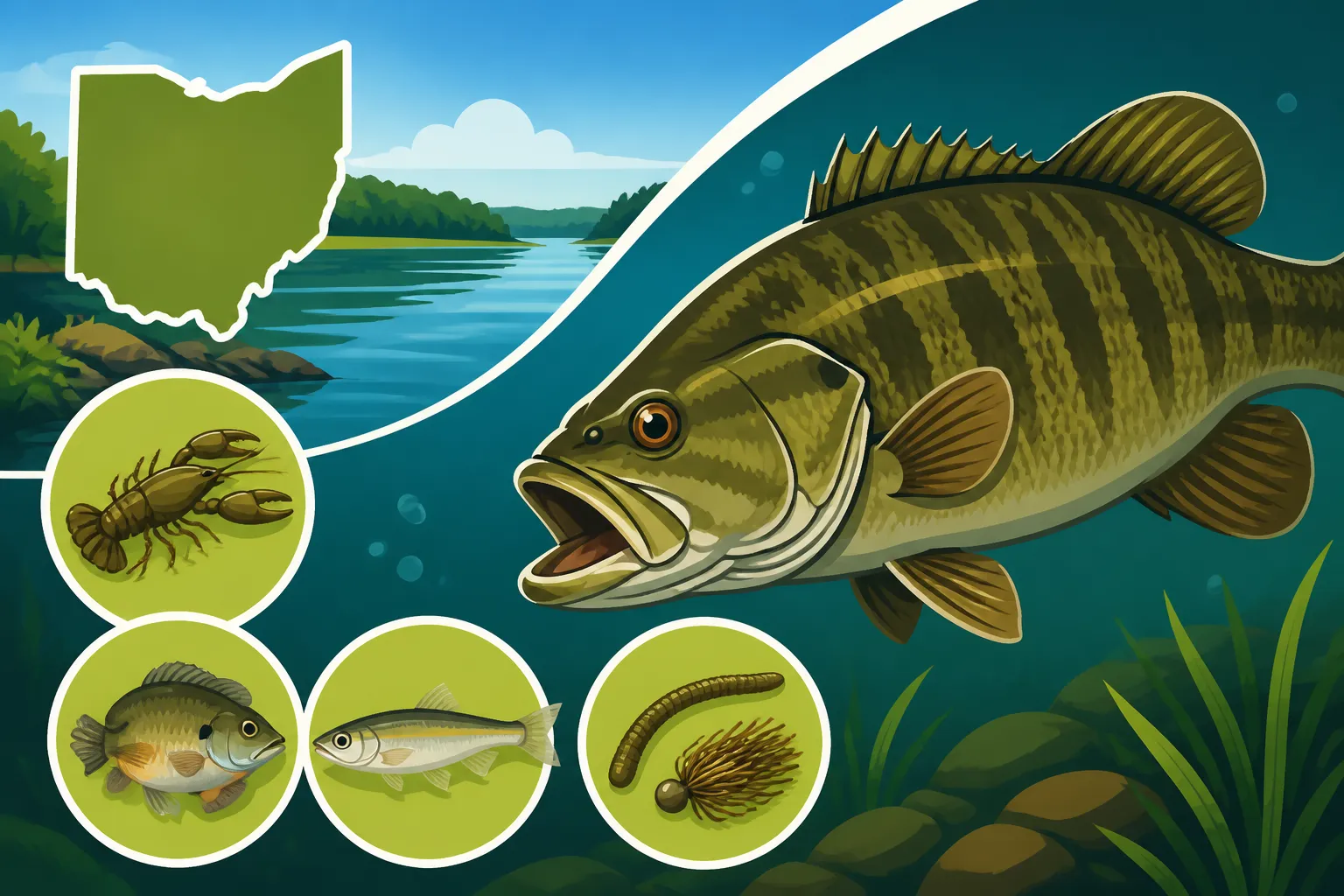
If there's one item that consistently sits atop the smallmouth bass menu, it's crayfish. These crustacean critters are absolutely irresistible to smallmouth across virtually all Ohio waters where they coexist. From the shallow rocky banks of inland lakes to the deep structure of Lake Erie, if there are crayfish, there are likely smallmouth feasting on them.
Common Crayfish Species in Ohio Waters
Ohio is home to several species of crayfish, and smallmouth bass aren't particularly picky about which one they devour. You'll find a variety, from the rusty crayfish (an invasive species that, unfortunately, has become a readily available food source) to native species like the common crayfish or northern clearwater crayfish. They come in different sizes and colors, often mirroring the substrate they live on – reddish-brown on rocky bottoms, greenish-brown in weedier areas, or even a grayish-blue in some clearer waters. Smallmouth consume crayfish of all sizes, from tiny juveniles to larger adults. This abundance and variety make crayfish a staple food item, providing a high-protein, energy-rich meal that keeps smallmouth growing. Anglers who consistently catch smallmouth know that having a good selection of crayfish imitations in their tackle box is non-negotiable.
How Smallmouth Hunt Crayfish and Lure Imitations
Smallmouth bass are experts at ambushing crayfish. Crayfish are primarily bottom-dwellers, scurrying across rocks and gravel, hiding under logs or stones. Smallmouth will patrol these areas, often hugging the bottom or holding tight to cover, waiting for a crayfish to scuttle past. When they spot one, they'll dart out, pin it, and consume it, often leaving behind tell-tale crunching sounds or the occasional shell fragments that wash up on shore.
To imitate this, anglers use a variety of lures. Jig-and-craw combinations are incredibly effective, as are soft plastic creature baits designed to look and feel like crayfish. Hard-bodied crankbaits with a wide wobble that dive down and "crawl" over rocky bottoms can also fool them, especially if they deflect off structure. When choosing colors, think about what's natural in your specific body of water. Green pumpkin, brown, and natural variations with orange or red claws are always a good bet. Presentation is key: you want your lure to bounce, drag, and tick along the bottom, mimicking a crayfish's natural movements, occasionally pausing as if it's hiding. Using a slow, deliberate retrieve with intermittent hops can often trigger a strike from a wary smallmouth. For instance, on the rocky shoals of Lake Erie, dragging a tube jig or a small jig and creature bait can be deadly, especially if you let it settle into crevices like a real crayfish would. You can find a huge variety of these types of baits on Amazon, making it easy to experiment with different sizes and colors.
The Insect Life: A Seasonal Smorgasbord
While crayfish are the undisputed kings, insects play a vital, often underestimated, role in the smallmouth bass diet, particularly during certain times of the year and in specific habitats. From the smallest nymphs to buzzing adult insects falling from overhead branches, smallmouth are keen opportunists when it comes to these protein-packed snacks.
Larval Forms and Nymphs in the Water Column
Much of the insect activity that fuels smallmouth bass happens beneath the surface. Mayfly nymphs, caddisfly larvae, and stonefly nymphs spend their lives clinging to rocks and vegetation in streams and lakes, becoming active and vulnerable at various times. When these aquatic insects begin their migrations to hatch, or are simply dislodged by currents, they become easy targets. Smallmouth will actively forage for these in the water column, often moving into shallower, current-heavy areas to intercept them.
In river systems like the Grand or the Chagrin, which also host strong steelhead runs, smallmouth will often key in on the same aquatic insect hatches that fly anglers cherish. This means tiny jigs, soft plastics, or even small crankbaits that mimic these subsurface insects can be incredibly effective. Pay attention to early morning or late evening activity, especially when you see birds diving or fish dimpling the surface – it's a good sign of an emerging hatch, and smallmouth won't be far behind. Knowing the Ohio Fishing Season Calendar can give you clues about when these hatches might occur.
Terrestrial Insects and Seasonal Hatches
As the weather warms, terrestrial insects like grasshoppers, cicadas, crickets, and beetles become significant food sources. They might fall into the water from overhanging trees or be blown in by the wind, creating an easy meal for an alert smallmouth. During peak summer, when insect activity is at its highest, smallmouth will often move into shallower, vegetated areas or patrol under tree lines to take advantage of these offerings.
During significant hatches, like the synchronized emergence of cicadas or large mayfly species, smallmouth can become incredibly focused on these specific food items. This is when "matching the hatch" becomes crucial. Topwater lures that imitate a struggling insect on the surface, or small poppers, can trigger explosive strikes. Even a subtle presentation with a small rubber-legged jig or a soft plastic imitating a fallen beetle can be deadly. It's an exciting time to fish because the bites are often visual and incredibly aggressive.
Baitfish: Opportunistic Predation
Beyond crayfish and insects, various baitfish make up a substantial part of the smallmouth bass diet. While smallmouth are not typically open-water cruisers like walleye, they are formidable ambush predators when it comes to schooling baitfish that stray too close to their rocky lairs or drop-offs.
Common Baitfish Species in Ohio Smallmouth Waters
Ohio's smallmouth lakes and rivers are home to numerous baitfish species that become prey. Minnows like emerald shiners, golden shiners, and bluntnose minnows are common, especially in clearer waters. Young-of-the-year perch, shad, and even juvenile bluegill or other panfish can also find themselves on the smallmouth menu. On Lake Erie, especially, shiners are a major forage base for smallmouth. These baitfish provide a readily available and energy-efficient meal, particularly when they school up in predictable patterns or venture into shallower feeding grounds.
Smallmouth will often use structure – rocks, submerged timber, or weed lines – to corral baitfish or to hide and dart out for an attack. If you're fishing a spot where you see schools of minnows darting around nervously, it's a good bet that a smallmouth is lurking nearby. Understanding the habits of these baitfish can significantly improve your chances of success. Does Lake Erie Have Good Smallmouth Bass Fishing? is a question often answered with a resounding "yes!" precisely because of the abundant baitfish populations that fuel its impressive smallmouth.
Mimicking Baitfish with Lures and Presentation
When smallmouth are keyed in on baitfish, anglers have a wide array of options. Jerkbaits are phenomenal for imitating a wounded or fleeing baitfish, especially when worked with erratic twitches and pauses. Spinnerbaits and chatterbaits with slender profiles can replicate the flash and vibration of a school of minnows. Swimbait-style soft plastics, rigged on a jig head or with an internal hook, offer a realistic profile and swimming action.
Color choices typically lean towards natural baitfish patterns: silver, white, chrome, bluegill patterns, or shad imitations. The key is often to impart an erratic, vulnerable action. A baitfish that's swimming perfectly healthy isn't as appealing as one that's struggling, injured, or disoriented. Think about a shallow rocky flat where minnows might be feeding; casting a small crankbait or a topwater lure that "walks the dog" can be incredibly effective, especially during low-light conditions when baitfish are most active. Many anglers swear by Rapala or Berkley jerkbaits, available on Amazon, for their ability to perfectly mimic panicked baitfish.
Other Prey Items and Opportunistic Feeding
While crayfish, insects, and baitfish form the cornerstone of the smallmouth bass diet, these fish are incredibly opportunistic feeders. They won't pass up an easy meal, and their diet can include a surprisingly diverse range of creatures, especially when their preferred forage is scarce or another food source becomes abundant.
Frogs, Leeches, and Worms
When the opportunity arises, smallmouth will readily consume frogs, leeches, and various worms. Frogs are particularly vulnerable when they're in or near the water, especially during their breeding season or when juveniles are abundant. A frog splashing erratically on the surface is an open invitation for a smallmouth to strike. Topwater frog imitations or buzzbaits are excellent for this scenario, especially around lily pads, heavy vegetation, or shoreline cover.
Leeches, often found clinging to rocks or vegetation, are another slow-moving, protein-rich meal. Smallmouth will suck them down with gusto. Soft plastic worms or creature baits fished slowly along the bottom can effectively imitate leeches, especially in darker colors like black or junebug. And who hasn't seen a smallmouth gulp down an earthworm that's washed into the water after a rain? Simple live nightcrawlers can be incredibly effective, proving that sometimes the simplest baits are the best. Best Baits for Ohio Crappie or other panfish can often double as great smallmouth offerings due to their opportunistic feeding habits.
Less Common but Still Targeted Meals
Smallmouth bass, especially larger ones, are apex predators in their ecosystems and can occasionally consume other less common items. Small snakes that venture into the water, baby ducks or goslings that swim too close to a lurking bass, or even unfortunate mice or voles that fall into the lake can become a meal. While these instances are rare and not something anglers typically "target," they highlight the smallmouth's broad predatory capabilities and its willingness to take advantage of any available food source. It's a testament to their strength and aggressive nature that they're capable of tackling prey that seems disproportionately large for their size. This "anything goes" mentality means that even an off-the-wall lure might get bit if it looks like an easy meal.
Seasonal Shifts in Smallmouth Bass Diet
The diet of smallmouth bass is not static; it changes throughout the year, primarily driven by water temperature, spawning cycles, and the availability of different food sources. Understanding these Ohio Fishing Season Dates and Effective Periods and how they influence feeding patterns is crucial for consistent angling success.
Spring: Post-Spawn Recovery and Energy Replenishment
In early spring, as ice melts and water temperatures begin to rise, smallmouth emerge from their winter lethargy. Their metabolism is still relatively slow, but they are looking for easy, high-calorie meals to regain energy lost during winter and prepare for the upcoming spawn. Crayfish, which are also becoming more active, are a prime target. As the water warms further and they move into their spawning phases, their focus shifts, and feeding can slow down during the actual spawn. After spawning, typically in late spring, smallmouth are often ravenous. They've expended a tremendous amount of energy guarding nests and are now in recovery mode.
During this post-spawn period, they'll aggressively feed on almost anything, but crayfish and early season baitfish are particularly important. This is a great time for jigs, creature baits, and jerkbaits. They're often found in slightly shallower waters, around rocky points and transition areas, making them accessible to both boat and bank anglers. Knowing Best Spring Fishing Techniques in Ohio will often overlap significantly with prime smallmouth strategies.
Summer: Active Feeding and Diverse Forage
Summer sees smallmouth bass at their most active. Higher water temperatures mean a faster metabolism and a constant need for food. This is when their diet becomes incredibly diverse. All three primary food groups – crayfish, insects, and baitfish – are readily available. Crayfish are abundant, aquatic insect hatches are in full swing, and terrestrial insects are falling into the water, while schools of baitfish are actively moving.
Smallmouth will often hold in slightly deeper, cooler water during the hottest parts of the day, moving shallower to feed during low light conditions or when cloud cover provides a comfortable hunting environment. Targeting rocky structures, drop-offs, and current seams with a variety of lures, from deep-diving crankbaits to topwater poppers and walking baits, can be effective. If you're on Lake Erie, this is prime time for throwing tubes or drop-shot rigs around rocky humps and reefs. This active period means they'll chase, so faster retrieves and more aggressive lure presentations can work wonders.
Fall: Bulking Up for Winter
As autumn arrives and water temperatures begin to cool, smallmouth bass enter a critical feeding period known as the "fall turnover" or "fall bite." Their instinct kicks in, prompting them to consume as much as possible to build up fat reserves for the lean winter months. This is when they become incredibly aggressive, often chasing down large meals. Crayfish are still a significant food source, as are baitfish that are schooling up in preparation for winter.
Smallmouth will often move shallower during the day to feed on sun-warmed rocks and then retreat to deeper water at night. Look for them around main lake points, steep drop-offs, and channel swings. Larger profile lures – bigger jerkbaits, spinnerbaits, crankbaits, and even swimbaits – can be highly effective during this time, as the bass are looking for substantial meals. The bites can be absolutely jarring, as these fish are fully committed to packing on the pounds. This is often considered one of the Best Time of Year to Fish Lake Erie for Walleye, but it's equally fantastic for smallmouth bass.
Winter: Reduced Metabolism and Scarcity
Once winter fully sets in and water temperatures drop below 40-45 degrees Fahrenheit, smallmouth bass become much less active. Their metabolism slows dramatically, and their feeding becomes sporadic and opportunistic. They will typically retreat to deeper, more stable water, often suspending over deep structure or hunkering down in rocky crevices. While they still need to eat, their energy expenditure for foraging is minimal.
During winter, soft plastics fished slowly and precisely are often the most effective. Drop-shot rigs, hair jigs, and blade baits presented right in front of their faces can trigger a strike, but presentations need to be much slower and more subtle. They are less likely to chase a lure aggressively. Ice fishing for smallmouth in Ohio is less common than for other species, but it does happen on some lakes, requiring very subtle jigging techniques.
Using Diet Knowledge to Improve Your Angling Success
Knowing what smallmouth bass eat isn't just trivia; it's a powerful tool in your angling arsenal. By understanding their preferred diet and how it changes, you can make smarter decisions about lure selection, presentation, and even where and when to fish. This ultimately leads to more bites and more fish in the net.
Matching the Hatch with Lure Selection
The most direct application of diet knowledge is choosing the right lure. If you know crayfish are abundant in a particular area, or it's the season when smallmouth are gorging on them, then reaching for a jig-and-craw or a tube bait is a logical first step. Similarly, if you observe schools of baitfish or hear about a strong insect hatch, then matching your lures to those profiles and colors makes sense. Best Lures for Ohio Fishing will undoubtedly highlight many of the baits mentioned here.
However, "matching the hatch" isn't just about color and shape. It's also about size and action. A smallmouth might prefer a smaller, more subtle lure if it's feeding on tiny aquatic insects, but a larger, more aggressive lure if it's chasing big shiners. Always carry a variety of lure types and colors that imitate the common forage in the waters you're fishing. Don't be afraid to experiment, especially if your initial choices aren't producing. Often, one subtle change can be the key.
Effective Presentation and Timing
Beyond lure selection, understanding diet informs your presentation. If smallmouth are feeding on bottom-dwelling crayfish, then a slow, dragging, or hopping retrieve along the bottom is crucial. If they're chasing baitfish, a faster, erratic retrieve that mimics a fleeing school will be more effective. When they're looking up for terrestrial insects, topwater presentations will shine.
Timing also plays a role. Early mornings and late evenings are often prime times for surface-oriented feeding on insects and baitfish, especially in summer. Mid-day might be better for targeting deeper-holding bass feeding on crayfish or suspended baitfish. Observing the water for signs of feeding activity – swirls, splashes, or baitfish jumping – can give you immediate clues about what and how to present your lure. If you're fishing a well-known spot, like a specific rock reef on Lake Erie, and the fish aren't biting your typical offerings, consider what they might be eating that day. Perhaps a unique hatch is occurring, or they've moved to a different depth for a different food source.
A Comparative Look at Smallmouth Forage and Lure Families
To summarize, here's a quick reference for common smallmouth forage and the lure types that effectively imitate them:
| Primary Forage Category | Key Prey Examples | Common Lure Types & Styles | Best Presentation Tips |
|---|---|---|---|
| Crayfish | Rusty Crayfish, Northern Clearwater Crayfish, Common Crayfish | Jig & Craw, Tube Jigs, Creature Baits, Bottom-Bouncing Crankbaits | Slow drag, hop, or crawl along bottom; pause near cover |
| Insects | Mayfly Nymphs, Caddisfly Larvae, Grasshoppers, Cicadas | Small Jigs, Soft Plastic Worms, Poppers, Walking Baits, Dry/Wet Flies (fly fishing) | Subtlety for nymphs; erratic splash/twitch for terrestrials |
| Baitfish | Emerald Shiners, Golden Shiners, Young Perch, Shad, Minnows | Jerkbaits, Spinnerbaits, Swimbaits, Crankbaits, Blade Baits, Topwaters | Erratic retrieve, stop-and-go; mimic wounded or fleeing baitfish |
| Other Opportunistic | Frogs, Leeches, Earthworms, Small Rodents | Frog Lures, Buzzbaits, Soft Plastic Worms (large), Live Bait | Surface disturbance for frogs; slow drag for leeches/worms |
Always keep in mind that smallmouth are smart and adaptable. The more you understand their world and their dinner plate, the better equipped you'll be to put that next bronze trophy in the boat. Make sure you check out Ohio Smallmouth Bass Fishing Guide for more in-depth tips!
Disclaimer
This article is for general informational purposes only and does not constitute professional advice. Laws, prices and regulations vary by location and change over time. Consult a qualified professional for guidance on your specific situation.