Ohio Fish That Bite Best in Cold Water
Ah, the chill in the air and the first hint of frost on the windshield often make many anglers think it's time to pack away the gear until spring. But hold on a minute! If you're one of those who believes fishing shuts down when the temperatures drop, you're missing out on some of the most exciting and productive fishing opportunities Ohio has to offer. This comprehensive guide is here to bust that myth wide open, showing you exactly which Ohio fish species don't just tolerate the cold, but actually thrive and bite best when the water gets chilly.
Understanding Cold Water Fishing in Ohio
When the mercury dips and summer's warmth becomes a distant memory, many anglers lament the perceived end of the fishing season. However, for those in the know, the arrival of cold weather merely ushers in a new, often more rewarding, chapter in Ohio's angling calendar. The entire aquatic ecosystem undergoes a significant transformation, and understanding these changes is key to unlocking incredible fishing experiences. It’s not about finding fish that tolerate cold, but rather those that prefer it.
Why Fish Behavior Changes with Temperature
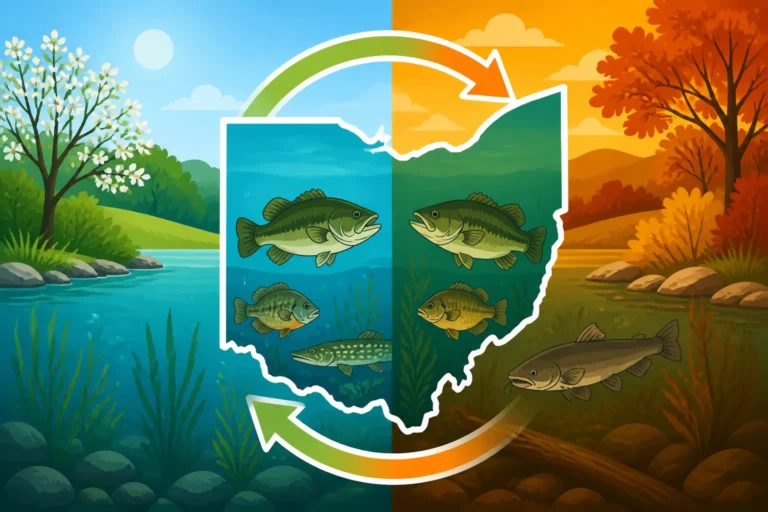
Fish are cold-blooded creatures, which means their body temperature is directly influenced by the water temperature around them. As water cools, their metabolism slows down. This isn't a bad thing for anglers; it just means their energy conservation becomes paramount. They still need to eat, often voraciously, but their movements become more calculated, and they tend to hold in specific areas where they can expend less energy while still finding food. This metabolic shift can actually make them more predictable. Instead of darting around everywhere, they often concentrate in deeper holes, near thermal refuges, or along distinct structures. Their feeding windows might be shorter, but when they decide to bite, they often do so with conviction, making for some truly memorable catches. It’s about being there when they decide to turn on.
The cooling water also impacts their prey. Baitfish might school up tighter, providing concentrated feeding opportunities for predators. Insects and other aquatic life also slow down, making them easier targets. This biological dance creates a dynamic environment where predatory fish are still actively seeking meals, even if they're not expending as much energy chasing them down. Knowing this helps you adjust your presentation and target areas. For a more general overview of angling opportunities, check out our Ohio Fishing Season Calendar.
The Benefits of Cold Water Angling
Beyond the thrill of the catch, cold water fishing offers a unique set of advantages that many fair-weather anglers miss out on. First and foremost, the crowds thin dramatically. You'll find popular spots, which might be packed in July, almost deserted in November or January. This means less competition, more space to work your favorite techniques, and a much more peaceful experience out on the water. Imagine having a prime stretch of river all to yourself, or a sprawling lake with just a handful of other dedicated souls.
Secondly, many of Ohio's most prized game fish, like walleye and steelhead, actually put on significant weight and develop vibrant colors in colder water. They're often in prime condition, strong and healthy, making for a fantastic fight. The air is crisp, the scenery is often stunning with frosty trees or snow-covered banks, and the sheer accomplishment of landing a fish in challenging conditions adds an extra layer of satisfaction. Plus, for those who enjoy eating their catch, many species have firmer, more delicious flesh when harvested from colder waters. It’s a truly rewarding experience for the dedicated angler.
Prime Cold Water Game Fish in Ohio
Ohio boasts a fantastic variety of fish species that truly come alive when the water temperatures drop. While some fish retreat to deep dormancy, others kick into high gear, offering some of the best angling opportunities of the entire year. Knowing these key players is the first step to a successful cold-weather fishing trip.
Walleye: The Winter Gold Standard
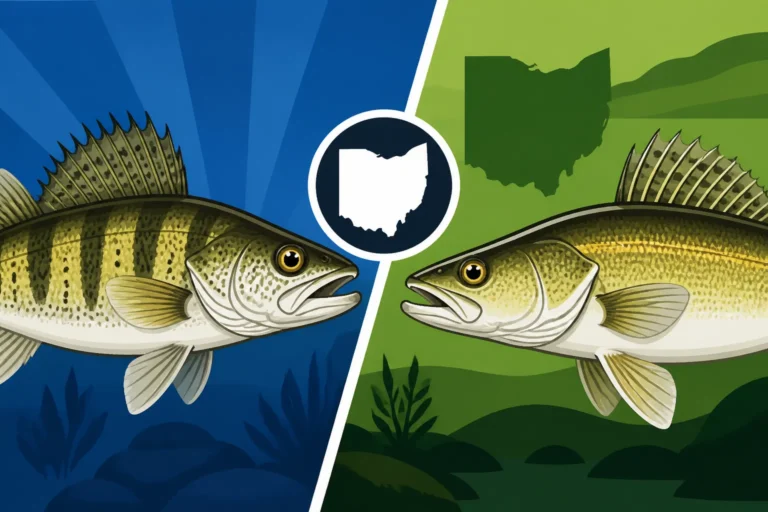
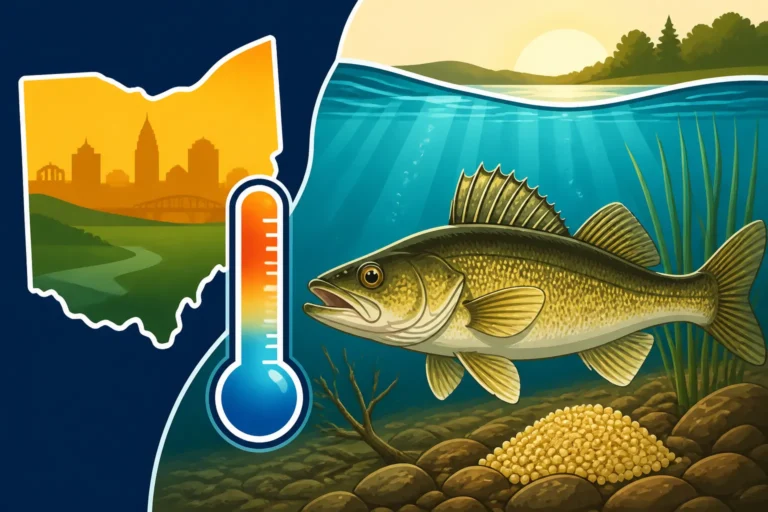
If there's one fish that absolutely shines in Ohio's cold waters, it's the walleye. These elusive predators are notorious for their light-sensitive eyes, which give them a distinct advantage in low light conditions, including the often-overcast days of winter or through the dark waters beneath a layer of ice. As water temperatures drop into the 40s and even 30s, walleye become incredibly active, feeding aggressively to build up reserves. This is especially true on Lake Erie, which is globally renowned for its walleye fishery, but also in many of Ohio's inland lakes and reservoirs.
During late fall and early winter, walleye often congregate in deeper basins, around humps, points, and transition areas where they can ambush schooling baitfish. As ice forms, they might move shallower under the ice to feed, especially during periods of low light. They remain a top target for ice anglers across the state. Landing a chunky winter walleye is a badge of honor for any Ohio angler, offering a thrilling fight and a delicious meal. To dive deeper into targeting these fish, check out our Ohio Walleye Fishing Guide. If you're venturing out onto the hard water, don't miss our guide on Best Time to Ice Fish for Walleye in Ohio.
Steelhead Trout: Ohio's Winter Stream Warriors
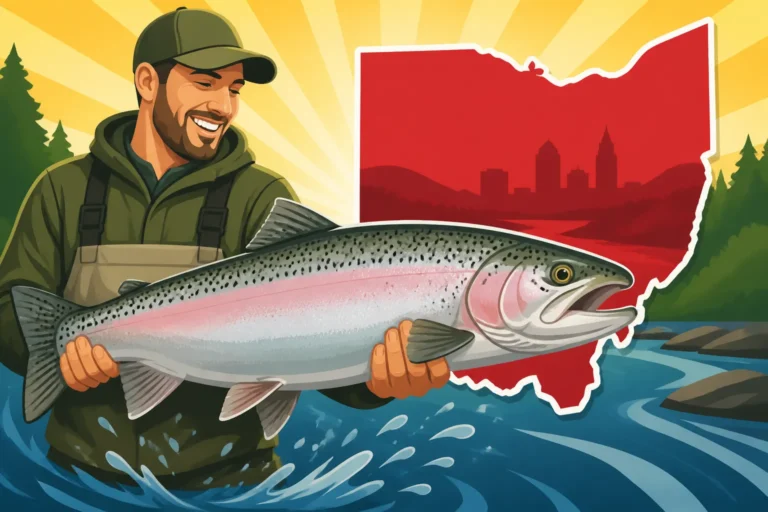
For river anglers, the arrival of colder weather signals the peak of the steelhead run in Ohio's Lake Erie tributaries. These magnificent, chrome-bright rainbow trout migrate from the vastness of Lake Erie up into rivers like the Rocky, Grand, and Vermilion, seeking spawning grounds. They are incredibly powerful fish, known for their acrobatic jumps and long, drag-screaming runs, making them a top-tier sport fish in winter. When the rivers are clear and the water temperatures are just right, typically in the 30s and 40s, steelhead can be found throughout the river systems, from the lower sections near the lake all the way up into the headwaters.
Steelhead fishing requires patience and specialized techniques, often involving drifting small egg patterns, nymphs, or single salmon eggs under an indicator. Casting spoons or spinners can also be highly effective, especially when fish are actively migrating. While challenging, connecting with one of these "steelhead alley" beauties in the crisp winter air is an unforgettable experience. Knowing When Ohio Steelhead Runs Start is crucial for planning your trip. For those looking to master the techniques, our Ohio Steelhead Trout Fishing Guide has all the details.
Perch: A Panfish Powerhouse Through the Ice
The humble yellow perch might not have the same flash as a walleye or the fighting prowess of a steelhead, but when it comes to cold water fishing, particularly ice fishing, they are an absolute powerhouse. These schooling panfish offer consistent action and are incredibly popular targets for anglers seeking a productive day on the ice or in frigid open water. On Lake Erie, the perch bite often heats up as the weather cools, and they are eagerly sought after in the vast open waters and near the islands.
Perch tend to school tightly, so once you find them, you can often catch them one after another, providing fast-paced excitement. They thrive in colder water, with their metabolism allowing them to feed actively even when ice covers the lakes. Anglers typically target them with small jigs tipped with minnows, wax worms, or other small baits. They are known for their delicious, flaky white meat, making them a favorite for the dinner table. If you're targeting these tasty panfish, our Ohio Yellow Perch Fishing Guide offers excellent advice.
Other Notable Cold Water Biters
While walleye, steelhead, and perch often steal the cold-water spotlight, Ohio's diverse fisheries offer several other species that are more than willing to bite when the temperatures drop. Don't overlook these fantastic opportunities to extend your fishing season!
Crappie: Winter Slab Success
Crappie, both black and white varieties, are undeniably a warm-weather favorite, especially during their spring spawn. However, many anglers underestimate their potential as a cold-water target. As fall transitions into winter, crappie often school up in deeper water, congregating around submerged brush piles, standing timber, bridge pilings, and other forms of deep-water structure. They become somewhat lethargic, but they still actively feed, often on smaller baitfish or insect larvae.
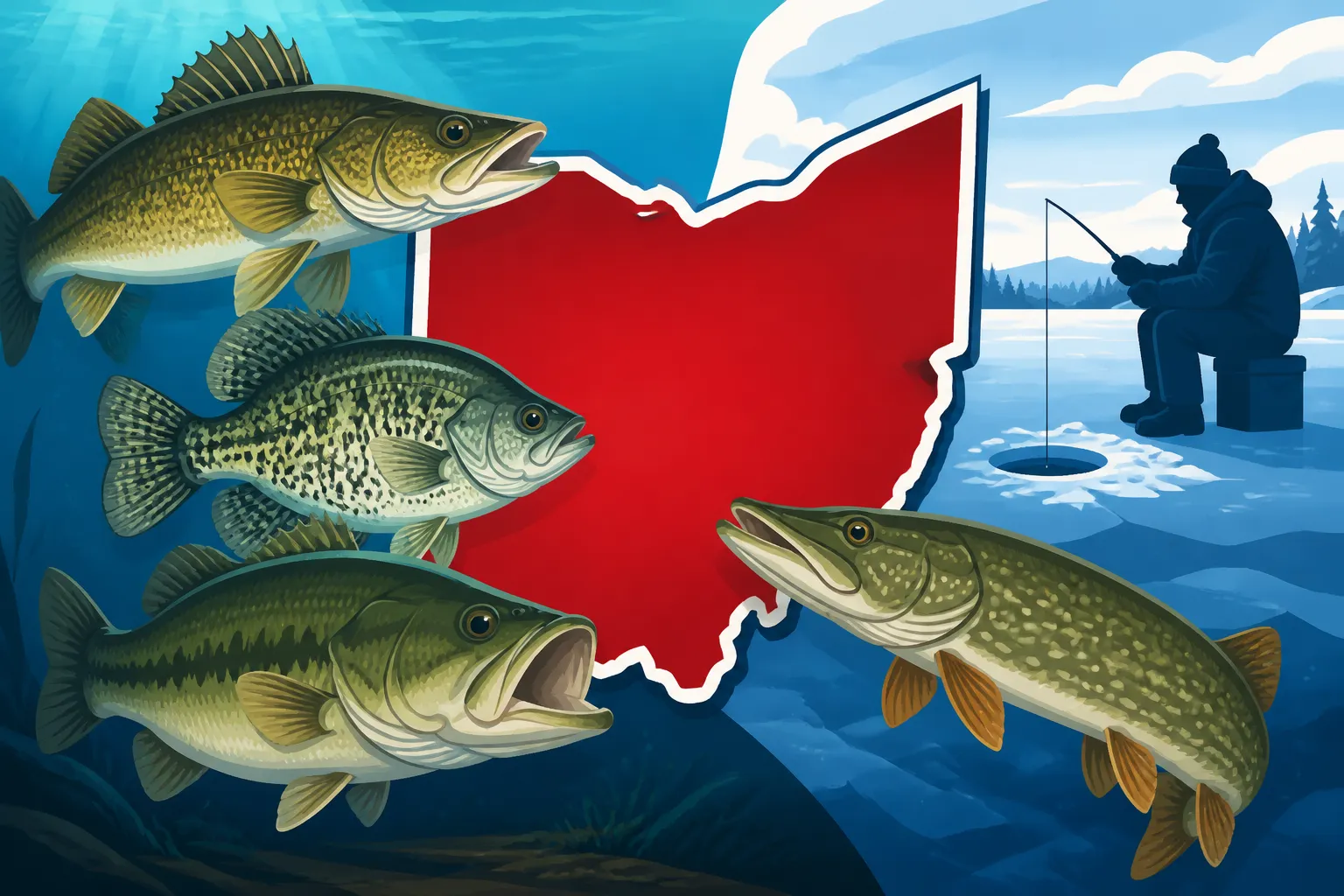
During ice fishing season, these "slabs" can provide incredible action, especially during midday lulls when other species might be less active. The key is to find those deep-water schools and present small jigs or minnows very subtly. Vertical jigging a tiny spoon or a jighead tipped with a soft plastic or a live minnow directly over the school is often the most effective tactic. It's not uncommon to pull out dozens of crappie from a single productive hole once you've located them. For more insights on landing these fish, check out our Ohio Crappie Fishing Guide and specifically, Ice Fishing Techniques for Ohio Crappie.
Saugeye: A Hybrid for Chillier Temps
The saugeye, a sterile hybrid cross between a female walleye and a male sauger, is one of Ohio's true success stories, offering a fantastic cold-water fishery in many inland lakes and reservoirs. These fish combine the best traits of both parents: the size and fighting ability of a walleye with the riverine affinity and aggressive nature of a sauger. Like their walleye cousins, saugeye thrive in colder water and are often more active during low-light conditions.
You'll find saugeye actively feeding in deep channels, along rocky points, and near dams in reservoirs like Alum Creek, Indian Lake, and Caesar Creek. Trolling crankbaits or presenting jig-and-minnow combinations are classic open-water tactics. Through the ice, they behave similarly to walleye, often suspending or hugging structure in deeper basins. Their willingness to bite in colder water and their excellent table fare make them a highly sought-after species once the ice forms or in the late fall. Our Ohio Saugeye Fishing Guide provides more detail on targeting this unique hybrid.
Northern Pike: Aggressive Winter Predators
While not as widespread as some other species, northern pike are a formidable cold-water predator found in certain Ohio lakes and reservoirs, particularly in the northern parts of the state. These aggressive, toothy fish are ambush predators that don't shy away from frigid temperatures. In fact, some of the largest pike are often caught during the coldest months, when they are actively hunting larger prey to sustain their substantial bodies. If you're wondering about their cousins, you can read more in Ohio Muskie vs Northern Pike Identification.
Pike will often lurk in shallower weed beds, along drop-offs, or near submerged timber, waiting to strike at unsuspecting baitfish or other aquatic creatures. For open water, casting large spoons, spinnerbaits, or even dead bait under a bobber can be effective. Through the ice, setting tip-ups with large live or dead bait, like shiners or suckers, is a popular and productive method. The visual excitement of a flag popping up in the snow, followed by a fierce battle with a large pike, is an adrenaline rush unique to winter angling.
Essential Gear and Techniques for Cold Water Success
Successfully targeting cold-water fish in Ohio isn't just about knowing what to catch, but how to catch them. The conditions demand specific gear and adjusted techniques to maximize your chances and, more importantly, ensure your safety and comfort. Don't let a lack of preparation cut your trip short!
Specialized Rods, Reels, and Line
When the temperatures drop, your standard warm-weather setup might not cut it. Cold weather can make lines stiff, guides freeze, and reel lubricants thicken. For open water in late fall, a medium to medium-heavy rod with a fast action is versatile for many species like walleye or saugeye. Sensitivity is key, as bites can be subtle. Pair it with a good quality spinning reel that can handle lower temperatures without seizing up. Braided line, with a fluorocarbon leader, is often preferred for its lack of memory and excellent sensitivity, even in cold water. You can find many suitable options for lines, leaders, and reels on Amazon that are designed for all-weather performance.
For ice fishing, specialized short rods, often called "ice rods," are essential. These range from ultralight for panfish to medium-heavy for walleye or pike, designed to work in tight quarters over a hole. Matching these with small, smooth-drag spinning reels is crucial. Spool your reels with specialized ice fishing line – typically monofilament or fluorocarbon – that resists freezing and retains flexibility in frigid conditions. It's often thinner, lower visibility, and designed to perform in colder temperatures. Look for brands that specifically market their products for cold-weather applications to ensure reliability.
Effective Baits and Lures for Cold Water
Cold-water fish are often less willing to chase, so your baits and lures need to appeal to their desire for an easy meal. Live bait is almost always a winner. Minnows, shiners, and wax worms are staples for crappie, perch, walleye, and saugeye, especially when fished on a bare hook or a small jig. The natural scent and subtle movement of live bait can entice even the most lethargic fish. You can even find live bait containers that keep minnows lively even in colder conditions, often available through retailers like Amazon.
Artificial lures for cold water tend to be smaller and slower-moving. Jigs are paramount. Think small jigging spoons, ice jigs, and soft plastics in muted or natural colors. Vertical jigging is a highly effective technique, allowing you to present your lure directly in the fish's strike zone with minimal effort from the fish. For open water, slow-trolling crankbaits, blade baits, or jig-and-minnow combinations are excellent choices for walleye and saugeye. When targeting steelhead, egg imitations, nymphs, or small spinners are consistently productive. Remember, slower retrieves and subtle presentations are generally more effective than aggressive, fast-paced actions.
Safety First: Ice and Weather Considerations
Cold water fishing, particularly ice fishing, comes with inherent risks that demand respect and careful preparation. Always prioritize safety above all else. Before venturing onto the ice, ensure you know How Thick Ice Should Be Before Fishing in Ohio. Never trust "community ice" without checking it yourself, and always be aware of changing conditions, especially around inlets, outlets, and areas with current. An ice spud or auger is your first line of defense to check ice thickness as you go.
Beyond ice safety, dress in layers to stay warm and dry. Waterproof and windproof outer layers are non-negotiable. Invest in insulated boots, gloves, and a hat. Hand warmers and toe warmers can be a lifesaver. Bring a thermos of hot coffee, tea, or soup to keep your core temperature up. Let someone know where you're going and when you expect to return. Carry emergency gear like ice picks, a whistle, and a throw rope. The enjoyment of a great day on the ice or a frigid river far outweighs the risk of an avoidable accident. For comprehensive safety tips, refer to our Ohio Ice Fishing Guide.
Locating Cold Water Fish Hotspots
Finding fish in cold water isn't always about casting blindly; it's about understanding where they conserve energy and where they find food. Their movements become more predictable, allowing savvy anglers to pinpoint hotspots with greater accuracy.
Targeting Structure in Lakes and Reservoirs
In Ohio's lakes and reservoirs, as water temperatures drop, fish tend to gravitate towards specific types of structure that offer thermal refuge, ambush points, or concentrated food sources. Deeper holes, often found in old creek channels or riverbeds within the lake, become prime holding areas. These areas are usually the last to cool down and provide a stable environment. Look for significant depth changes on your electronics or contour maps.
Beyond depth, structure like submerged humps, points that extend into deeper water, and underwater rock piles are magnets for cold-water fish like walleye, saugeye, and crappie. These features create current breaks or attract baitfish, offering an easy meal for predators. Standing timber or brush piles also provide excellent cover for crappie and perch. When ice fishing, a good quality fish finder is invaluable for locating these subtle changes in the bottom contour or finding suspended schools of fish. Focus your efforts on these high-percentage areas, and you'll significantly increase your chances of success.
River Runs and Tributaries for Migratory Species
For migratory species like steelhead, the focus shifts to Ohio's Lake Erie tributaries. These fish push upstream from the big lake into rivers such as the Chagrin, Grand, Vermilion, and Rocky. Finding them means understanding their migratory patterns and preferred holding water. Look for deeper pools, current seams, and stretches of river where the flow is broken by submerged rocks, logs, or bends in the river. These areas provide resting spots and ambush points for steelhead.
The deepest sections of river, especially those with slower current, often hold the largest concentrations of fish during extreme cold. Waterfalls, dams, and other natural barriers can also create significant holding pools below them. Don't overlook slower, deeper runs that might not look like much in summer but become prime real estate for staging steelhead in winter. Pay attention to water clarity and flow rates – heavy rain can blow out a river, while low, clear conditions demand a more subtle approach. Understanding the specific characteristics of these rivers is key to consistently finding fish.
Fishing in Ohio during the colder months is a truly rewarding experience for those willing to brave the elements. The fish are often bigger, the crowds are smaller, and the satisfaction of a successful cold-weather outing is unparalleled. So, don't hang up your rods just yet! Gear up, stay safe, and get out there to experience some of the best fishing Ohio has to offer.
Disclaimer
This article is for general informational purposes only and does not constitute professional advice. Laws, prices and regulations vary by location and change over time. Consult a qualified professional for guidance on your specific situation.