Do Walleye Spawn in Rivers or the Open Lake?
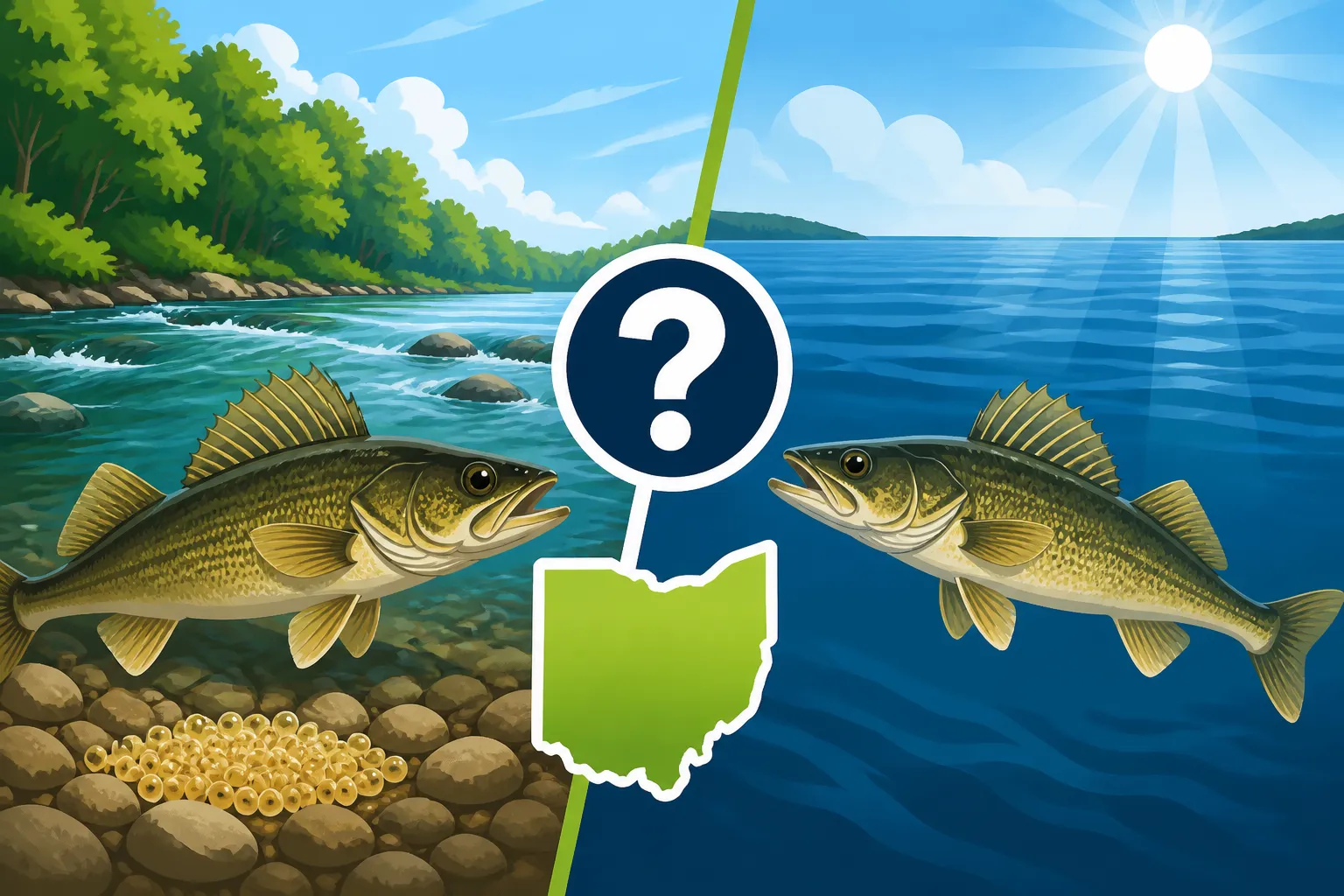
It's a question that sparks lively debate among Ohio anglers as the ice thaws and the days lengthen: do walleye truly spawn only in rivers, or do they utilize the vast open waters of Lake Erie for their annual ritual? The truth, like many things in fishing, isn't always a simple either/or. Many of us have heard tales of the legendary river runs, but it can be confusing to reconcile that with the sheer size of Lake Erie itself. You might wonder if those big walleye you catch offshore ever even see a river! This guide will demystify the walleye spawning process in Ohio, helping you understand where, when, and why these incredible fish choose their reproductive grounds.
Understanding Walleye Spawning Habits in Ohio
Walleye are incredibly resilient and adaptable fish, but when it comes to spawning, they have very specific preferences. Their survival depends on finding just the right conditions to lay and fertilize their eggs. It's a critical time of year, and understanding it can give you a real edge as an angler.
The Critical Role of Water Temperature and Substrate
The absolute driving force behind walleye spawning is water temperature. As the ice melts and the water begins to warm, typically reaching into the low to mid-40s Fahrenheit, the internal clock for walleye starts ticking. This isn't just a gentle nudge; it's an urgent call to action. They need those specific temperatures to ensure the proper development of their eggs and fry.
Beyond temperature, the type of bottom where they lay their eggs, known as the substrate, is equally vital. Walleye are what we call "broadcast spawners" – they don't build nests like bass. Instead, females release their eggs, and males release milt, with fertilization occurring in the water column. These eggs then settle to the bottom. For successful hatching, they need clean, hard surfaces where the eggs can adhere and receive good water flow, which provides oxygen and carries away waste. Think of gravel, rubble, broken rock, or even submerged logs. Mucky, silty, or heavily vegetated bottoms are generally avoided because eggs can suffocate in low-oxygen environments or get buried in sediment. This is a huge factor in why certain areas are prime spawning grounds year after year.
Why Rivers and Tributaries Are Often Preferred
Given these strict requirements, it's easy to see why rivers and tributaries are often the preferred choice for walleye, especially in a system as vast as Lake Erie. Think about the Maumee River, for instance. It's a classic example of a major tributary providing exactly what walleye need. These flowing waters offer a consistent current, which is crucial for oxygenating the eggs and preventing them from silting over. Rivers also tend to warm up a bit faster than the massive open lake, triggering the spawn earlier.
Furthermore, many rivers in Ohio, particularly those flowing into Lake Erie, have extensive stretches of gravel and rocky bottoms. These natural structures are ideal for egg deposition. The Maumee River, the Sandusky River, and other smaller tributaries feeding into Lake Erie see incredible runs of walleye each spring, as literally millions of fish push upstream to these traditional spawning grounds. It's a spectacle, and for many anglers, it marks the true beginning of the fishing season. The sheer density of fish in these rivers during the run is phenomenal, making them incredibly popular destinations. Maumee River Walleye Run Fishing is a prime example of this natural phenomenon.
Walleye Spawning in Lake Erie: Rivers vs. Open Water
The "river versus open lake" debate for Lake Erie walleye is nuanced, but historical patterns and biological needs paint a pretty clear picture of preference, even if exceptions exist. It's truly fascinating how these fish utilize different parts of their environment.
The Maumee River Run and Other Key Tributaries
When we talk about walleye spawning in Ohio, particularly for Lake Erie fish, the conversation almost always turns to the tributaries. The Maumee River, often hailed as the "Walleye Capital of the World" during the spring run, is the poster child for river spawning. As soon as those water temperatures start to climb into the low 40s, millions of walleye migrate from the Western Basin of Lake Erie up the Maumee, Sandusky, Portage, and other rivers. They are drawn to the warmer, flowing water and the clean, rocky substrate that's perfect for laying eggs.
This migration isn't just a trickle; it's a torrent of fish. Anglers line the banks, sometimes shoulder-to-shoulder, hoping to intercept these spawning giants. The strong current helps keep the eggs oxygenated and prevents them from being covered by silt. It's a biological imperative, a timeless journey these fish have made for generations. Without these vital river systems, the Lake Erie walleye population wouldn't be nearly as robust as it is today. If you're looking to understand the timing, When the Maumee River Walleye Run Starts can give you an idea of what to expect.
Open Lake Spawning: When and Where It Occurs
While rivers are certainly primary spawning grounds, walleye don't exclusively spawn there. A significant portion of the Lake Erie walleye population, especially those that inhabit the deeper, clearer central and eastern basins, will spawn directly in the open lake. This typically happens on shallow, windswept reefs, shoals, and rocky outcroppings. These areas provide the same critical elements as river bottoms: hard substrate (rock, gravel, cobble) and good water circulation to keep the eggs clean and oxygenated.
For instance, areas like the famous "reefs" in the Western Basin of Lake Erie, or shallower stretches off the Canadian shore, become bustling spawning grounds. These locations often have depths ranging from just a few feet to around 20 feet, where wave action and currents naturally keep the bottom clean. The key is that combination of hard bottom and movement. While river spawning might be more visible to anglers due to concentrated fish, open lake spawning is a vital part of the reproductive cycle, contributing significantly to the overall walleye population. A good sonar unit, easily found on Amazon, can help identify these hard-bottom areas if you're out scouting. Understanding Walleye Spawning Behavior in Ohio can help you pinpoint these hidden hotspots.
The Journey to the Spawning Grounds
The spawning process isn't just about dropping eggs; it's a massive undertaking that involves significant migrations and changes in behavior for walleye. It's a true marathon of nature.
Pre-Spawn Migration Patterns
Before the actual spawning begins, walleye undertake impressive migrations. For river spawners, this means moving from their wintering grounds in the open lake or deeper river pools upstream towards the shallow, rocky riffles and runs. They stage in deeper holes just downstream from their chosen spawning areas, waiting for the water temperature and flow conditions to be just right. This is often when anglers find large concentrations of fish, as they are actively feeding to build up energy reserves for the strenuous act of spawning. You'll often see them moving in large schools, particularly during twilight hours, pushing against the current.
Lake spawners also move, heading from deeper basin areas to the shallower reefs and shoals. These pre-spawn staging areas can be extremely productive for anglers who know how to locate them. They might congregate at the edges of drop-offs near the reefs, waiting for the ideal conditions. It's a time of anticipation for both the fish and the fishermen, with many considering When Ohio's Walleye Season Peaks on Lake Erie to be during this pre-spawn and spawn period.
Post-Spawn Behavior and Recovery
Once the eggs are laid and fertilized, the walleye, particularly the females, are often exhausted. The energy expenditure is immense. After spawning, they begin a recovery period, often dropping back into deeper, slower waters to rest and recuperate. Their focus shifts from reproduction back to feeding, and they can be quite aggressive as they try to replenish their fat reserves. This post-spawn period can also offer excellent fishing opportunities, as hungry walleye scatter and become more receptive to a wider range of baits and presentations.
The males often hang around the spawning grounds a bit longer, sometimes even for a few weeks, as they are less physically drained than the females and might continue to fertilize any late-arriving females. Eventually, all the walleye will disperse to their summer feeding grounds, which could be the vast open waters of Lake Erie or deeper sections of large reservoirs. The cycle then begins to wind down, leading into the main feeding season. If you're trying to figure out where the fish go, checking out Ohio Walleye Fishing Guide can offer broader insights into their movements throughout the year.
Factors Influencing Spawning Location Choices
While water temperature and substrate are key, other environmental factors also play a significant role in where walleye decide to drop their eggs. It’s a complex decision-making process for these fish, influenced by a dynamic environment.
Water Flow, Clarity, and Oxygen Levels
The dynamics of water flow are crucial for successful walleye spawning. In rivers, a consistent but not overly aggressive current helps to aerate the eggs and prevent silt from settling on them. Too little flow, and eggs can suffocate; too much, and they might be washed away from ideal locations. Lake spawners also rely on currents and wave action to keep their chosen rocky bottom clean and oxygenated. These natural movements are like an invisible nursery caretaker, ensuring the eggs get what they need.
Water clarity also plays a role, though perhaps less directly than flow. While walleye are known to tolerate somewhat turbid conditions, excessively muddy water can reduce oxygen levels and smother eggs. Oxygen levels are, of course, paramount. Walleye eggs require a steady supply of dissolved oxygen to develop, making areas with good circulation essential. These factors are often interconnected; good flow usually means better oxygen and less sediment buildup, creating a healthier environment for the eggs.
Impact of Habitat and Anthropogenic Changes
Unfortunately, human activities and changes to natural habitats can significantly impact walleye spawning success. Historically, many rivers had more natural rocky bottoms suitable for spawning. However, sedimentation from agricultural runoff, channelization, dam construction, and pollution can degrade these vital spawning grounds. Dams, for example, can completely block migrations to upstream spawning areas, forcing fish to find alternative, sometimes less ideal, locations or preventing them from spawning in their ancestral waters altogether.
Conservation efforts, such as habitat restoration projects that clean up river bottoms or create artificial reefs in lakes, are critical for supporting walleye populations. Ensuring good water quality by reducing runoff and pollution directly benefits spawning success. Anglers often contribute to these efforts, understanding that a healthy ecosystem is key to healthy fish populations. Even choosing environmentally friendly fishing gear, which you can easily find on Amazon, is a small way to contribute. Protecting these habitats is not just about the fish; it's about the entire ecosystem of places like Lake Erie Fishing Guide for Ohio Anglers and Best Ohio Reservoirs for Walleye and Saugeye.
Comparing Walleye Spawning Habitats
Here's a quick look at the main differences and similarities between river and open lake spawning for walleye in Ohio.
| Feature | River/Tributary Spawning | Open Lake Spawning (Reefs/Shoals) |
|---|---|---|
| Primary Location | Upstream sections of rivers (e.g., Maumee, Sandusky) | Shallow, windswept reefs and rocky shoals (e.g., Western Basin reefs) |
| Water Temperature | Typically warms faster than the main lake, triggering earlier spawn. | Slightly later than rivers, depends on solar warming of shallow areas. |
| Substrate | Clean gravel, rubble, broken rock, cobble. Strong current for cleaning. | Clean gravel, rubble, rock, boulders. Wave action and currents for cleaning. |
| Water Flow/Oxygen | Consistent river current provides constant oxygenation. | Wave action and natural currents ensure oxygen supply. |
| Visibility | Often highly visible to anglers (e.g., Maumee run). | Less visible, often offshore and requiring boats to access. |
| Predator Pressure | Can be high from birds, other fish, and humans. | Also high from gulls, other fish, and sometimes lamprey. |
| Key Advantage | Reliable current for egg aeration; often warmer earlier. | Access to vast amounts of food post-spawn; less impacted by river flow issues. |
| Key Challenge | Obstructions (dams), pollution, siltation, crowded fishing. | Wind-driven wave action can be disruptive, temperature fluctuations. |
In conclusion, while many anglers associate walleye spawning primarily with the dramatic river runs, the reality is that these adaptable fish utilize both rivers and open lake environments to perpetuate their species in Ohio. Both methods are vital components of the incredible Ohio Walleye Fishing Guide story.
Disclaimer
This article is for general informational purposes only and does not constitute professional advice. Laws, prices and regulations vary by location and change over time. Consult a qualified professional for guidance on your specific situation.