Water Temperature That Triggers Bass Spawning in Ohio
There’s nothing quite as frustrating as showing up at your favorite Ohio bass spot, full of anticipation, only to find the fish are nowhere to be found or completely uninterested. Often, the missing piece of the puzzle isn't your lure choice or casting accuracy, but a fundamental misunderstanding of what’s happening beneath the surface: the bass spawn. This comprehensive guide will pull back the curtain on the critical water temperatures that trigger bass spawning in Ohio, helping you predict their behavior and vastly improve your chances of a successful day on the water.
Understanding the Bass Spawning Cycle in Ohio
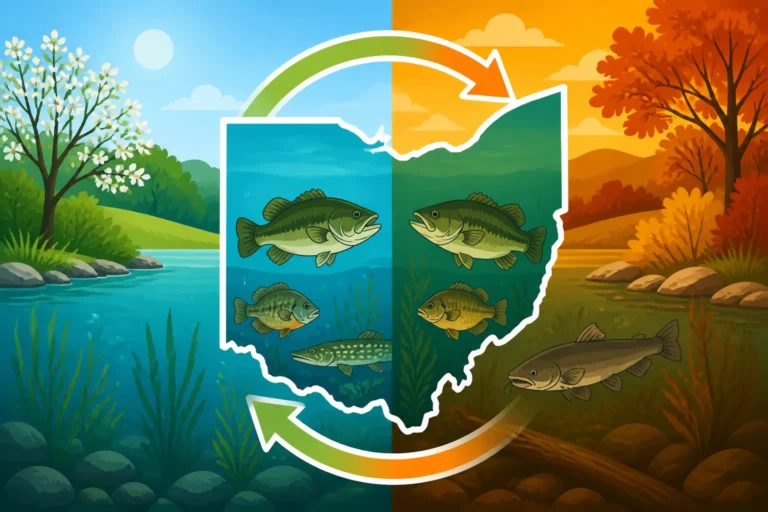
Bass don't just wake up one morning and decide it's time to spawn. It's a complex, temperature-driven process that moves through distinct phases, each offering unique fishing opportunities (or challenges!). Knowing these phases and, most importantly, the water temperatures that define them, is crucial for any serious Ohio bass angler.
The Pre-Spawn Phase and Early Indicators
Before any eggs are laid, bass enter what's known as the pre-spawn phase. This is arguably one of the most exciting times to fish, as bass are ravenously feeding, trying to pack on as much weight and energy as possible for the arduous spawning process ahead. During this time, you'll notice longer daylight hours and steadily rising air temperatures, but these are merely external cues. The real magic happens underwater. As the water temperature starts to creep up from the low 40s into the high 50s, bass begin to make their move from deeper wintering holes towards shallower staging areas.
Think of it like athletes preparing for a marathon. They need to carb-load! Bass are doing the same thing. They're gorging on baitfish, crawfish, and anything else they can get their mouths around, building up the reserves needed for nest building, egg production, and the subsequent guarding of their young. You'll often find them congregating on points, humps, and channel swings adjacent to prime spawning flats. These are transitional areas where they can quickly dart back to deeper water if a cold front hits, but also easily access the shallower zones when conditions are right. This pre-spawn period is a window of opportunity to catch some of the heaviest bass of the year, as they are at their peak weight and incredibly active.
The Ideal Spawning Temperature Range for Largemouth and Smallmouth
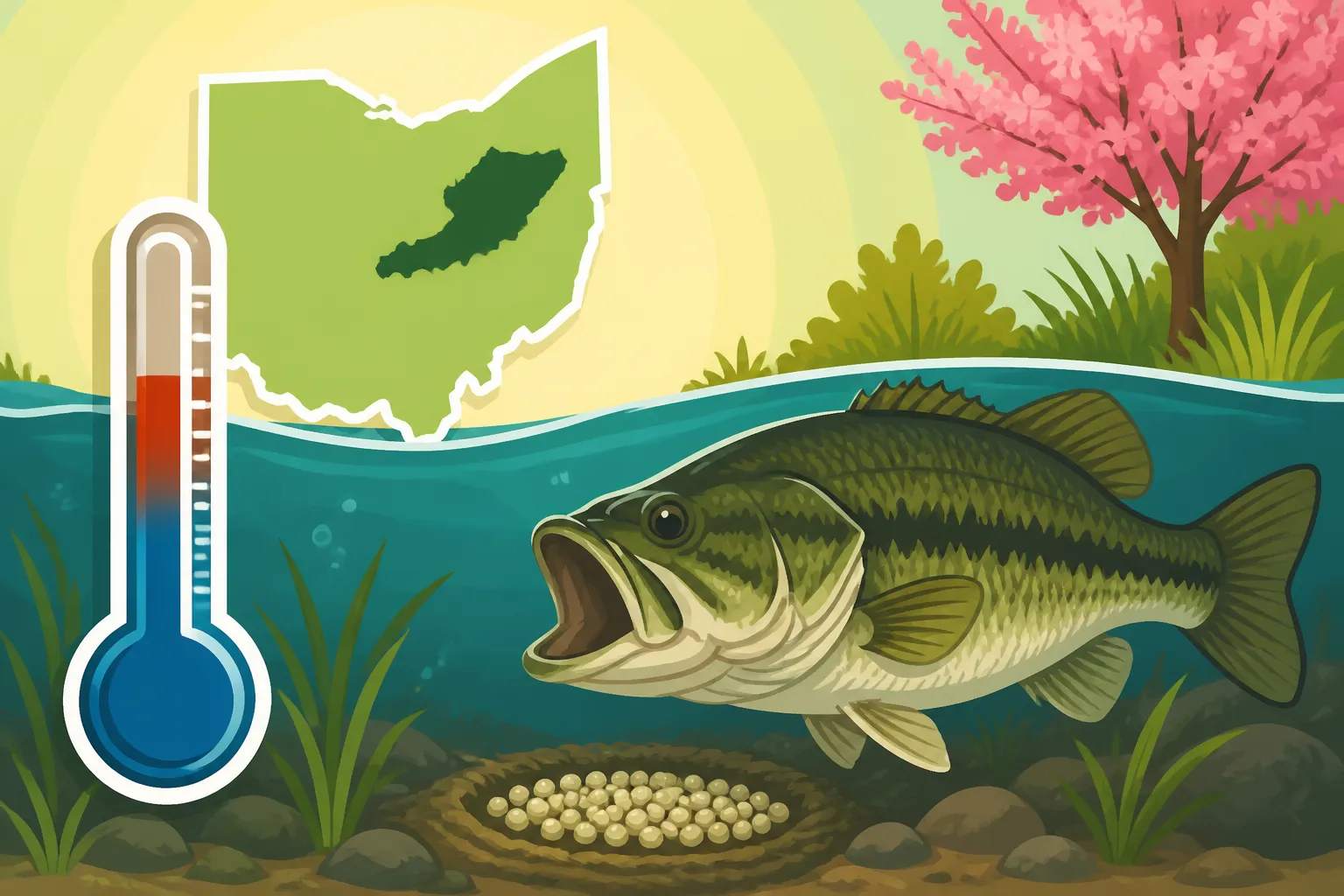
Now, for the million-dollar question: what water temperature truly triggers bass to spawn in Ohio? For largemouth bass, the magic number typically falls within a range of 60 to 70 degrees Fahrenheit. Smallmouth bass, being a bit hardier and often found in slightly cooler, clearer waters, tend to initiate their spawn a little earlier, sometimes starting in the 55 to 65-degree Fahrenheit range. While these are general guidelines, it's important to understand that the fish are less concerned with a single, precise number and more with a stable trend within that range.
When the water hits these critical temperatures and stays there for a few consecutive days, that's when the real action begins. Male bass will move onto shallow flats, often in protected coves or along gradually sloping banks, and begin to fan out circular beds. These beds are usually found in areas with a hard bottom, like gravel, sand, or even hard clay, and often near some form of cover such as submerged logs, stumps, or docks. The females will then move in, lay their eggs, and the males will fertilize them before diligently guarding the nest against predators. This temperature range is crucial because it ensures the eggs develop properly and the newly hatched fry have a better chance of survival in warmer, more food-rich waters. A sudden drop in temperature can halt the spawn, cause bass to abandon their nests, or result in poor egg survival, which is why stability is key.
Post-Spawn Behavior and Recovery
Once the eggs are laid and fertilized, the male bass takes on the role of guardian. He'll tirelessly defend the nest, fanning the eggs to keep them oxygenated and chasing off any potential threats. During this time, which typically lasts a week or two depending on water temperature, he won't be actively feeding, making him a challenging target for anglers. The female, having expended a tremendous amount of energy, will often retreat to slightly deeper, cooler water to recover. She's tired, often thin, and not very interested in chasing down a meal. This period is often referred to as the "post-spawn funk" by anglers, and it can be a tough bite.
After the male’s guardian duties are complete and the fry have dispersed, both sexes will enter a recovery phase. Their focus shifts back to feeding, but it's a slower, less aggressive feed than the pre-spawn frenzy. They’ll often hold tight to cover in slightly deeper water, allowing their bodies to recuperate. As the water continues to warm into the 70s and 80s, bass will transition into their typical summer patterns, often relating to deeper structure, thermoclines, or heavy cover. Understanding this full cycle, driven by water temperature, helps you adapt your approach throughout the season, as detailed in our guide on Ohio Fishing Season Calendar.
Reading the Water: How to Monitor Temperatures for Bass Spawning
Knowing the ideal temperature range is one thing; actually finding those temperatures in real-time on your chosen Ohio lake or river is another. It requires a bit of diligence and the right tools, but it's an investment that pays off immensely.
Essential Tools for Temperature Tracking
The most basic and reliable tool for checking water temperature is a quality thermometer. You can find excellent options, from simple floating models to more advanced digital versions, on platforms like Amazon. A good digital thermometer with a probe allows you to get accurate readings at various depths, which is crucial because surface temperatures can be misleading.
Many modern fish finders and depth sounders also come equipped with a built-in temperature sensor in the transducer. This is an incredibly convenient feature because it provides real-time temperature readings as you move your boat or kayak across the water. Being able to see how the temperature changes as you idle through a cove or along a bank gives you instant feedback on potential bass holding areas. Some advanced units even allow you to track historical temperature trends, which can be invaluable for understanding how quickly a body of water is warming up. Investing in a reliable fish finder, often available with great reviews on Amazon, can be a game-changer not just for temperature, but for Reading Ohio Fish Finders and Electronics in general.
Where to Check Water Temperatures for Accuracy
Just sticking your thermometer in the water at the boat ramp isn't going to cut it. Water temperatures can vary significantly even within the same body of water. Shallow, north-facing coves that receive a lot of direct sunlight will warm up much faster than deep, main lake points exposed to wind and current. Therefore, you need to be strategic about where you take your readings.
Focus on the areas you expect bass to spawn: shallow bays, protected coves, and flats with a gentle slope. Check temperatures at various depths, especially in the 2-8 foot range where bass typically build their beds. If you're on a boat, make passes through these areas and observe the temperature readings on your fish finder. Pay attention to sudden changes; a consistent temperature over a large flat might indicate prime spawning conditions, while a sharp drop might mean you’re too close to deeper, cooler water. Remember, consistent warmth is more important than a fleeting high temperature. For more specific location insights, our article on Best Ohio Lakes for Bass Fishing offers some excellent starting points.
Factors Influencing Water Temperature Fluctuations
Water temperature is rarely static. It's a dynamic variable influenced by a host of environmental factors, and understanding these can help you predict how and when the bass spawn will progress.
- Sunlight: Direct sunlight is the primary driver of warming. Shallow, clear water areas that receive prolonged sun exposure will warm fastest. Overcast days, even if the air temperature is mild, can significantly slow down the warming process.
- Air Temperature: While not as direct as sunlight, sustained periods of warm air temperatures will gradually warm the water. Conversely, a sudden cold front, especially one accompanied by strong winds, can rapidly drop water temperatures, potentially sending bass scurrying back to deeper water and delaying the spawn. This is a critical aspect covered in Reading Weather Patterns for Ohio Fishing.
- Rainfall: Heavy rains, especially cold spring rains, can introduce a significant amount of cooler water into a lake or river, causing a temporary temperature drop. Muddy runoff can also affect water clarity and light penetration, indirectly impacting warming.
- Wind: Wind can either warm or cool the water, depending on its temperature. Warm winds can help surface waters heat up, but strong winds can also create currents that mix warmer surface water with cooler deeper water, homogenizing the temperature and potentially delaying the precise spawning conditions bass are looking for.
- Water Depth and Volume: Shallow, smaller lakes and coves will warm up much faster than deep, large reservoirs like those often found near the Ohio River. The sheer volume of water in larger bodies takes longer to heat up or cool down, making the spawn more drawn out in these locations.
By considering all these factors in conjunction with your temperature readings, you gain a much clearer picture of the bass's spawning readiness and can adjust your game plan accordingly.
Adjusting Your Fishing Strategy to the Spawning Timeline
Knowing the water temperature isn't just an academic exercise; it's the foundation for adapting your fishing techniques and maximizing your success throughout the entire bass spawning cycle. From aggressive pre-spawn bites to careful post-spawn recovery, your approach needs to shift.
Pre-Spawn Tactics: Targeting Hungry Bass
When those water temperatures are in the high 40s to upper 50s, signaling the pre-spawn phase, bass are focused on one thing: eating. This is your chance to use power fishing techniques to cover water and trigger aggressive strikes. Think loud, erratic, and attention-grabbing lures.
Crankbaits that mimic baitfish are deadly during this time, especially those with a wide wobble or a diving bill that gets them down to the depth where bass are staging. Spinnerbaits, particularly those with thumping Colorado blades or flashier willow leaf blades, are excellent for covering flats and points, triggering reaction strikes. Jerkbaits, worked with a stop-and-go retrieve, can be incredibly effective when bass are suspended or cruising slightly deeper water adjacent to spawning areas. Don't be afraid to throw larger profile baits; these bass are looking for a substantial meal. Focus your efforts on those transition zones – points, humps, and channel swings leading into protected coves and shallow flats. Bass will be moving back and forth, using these areas as highways as they prepare for the big event. Our guide on Best Spring Fishing Techniques in Ohio goes into much more detail on these early season strategies.
Spawning Bed Fishing: Ethical Considerations and Techniques
Once water temperatures stabilize in that 60-70 degree sweet spot, bass will move onto their beds. Sight-fishing for bass on beds can be incredibly effective, but it also raises ethical considerations. While it’s legal in Ohio to target spawning bass, many anglers practice extreme care, advocating for quick catches and releases to minimize stress and ensure the male bass can return to protect its eggs and fry. The health of future bass populations relies on successful spawning and protection.
If you choose to target bedded bass, a stealthy approach is paramount. Use polarized sunglasses to spot the beds, which will appear as lighter, cleaner circles on the bottom. Approach slowly and quietly. Lures like soft plastic stickbaits (like a Senko), creature baits, or jigs are excellent choices. The key is to repeatedly present your bait right into the bed, irritating the guarding bass until it picks up the lure to remove it. Sometimes it takes dozens of casts. The bites are often subtle, feeling more like a "thump" or simply the line moving off to the side, rather than a hard strike. Set the hook quickly and bring the fish in efficiently to minimize its time off the nest. A good selection of these finesse plastics can easily be found on Amazon.
Post-Spawn Strategies: Finding Recovering Bass
Immediately after the spawn, both male and female bass are exhausted and often lethargic. Water temperatures will likely be in the low to mid-70s. This is when finesse techniques often shine. Instead of power fishing, think slow, subtle, and natural presentations.
Bass will often seek out the densest cover available, such as thick submerged vegetation, brush piles, or shady areas under docks and overhangs. They're looking for recovery areas that offer both protection and easy access to a meal without expending too much energy. Try pitching jigs with soft plastic trailers, Texas-rigged worms, or weightless wacky-rigged stickbaits into and around this heavy cover. Work your lures slowly, allowing them to soak in the strike zone. You might need to make multiple presentations to the same piece of cover. As they recover and water temperatures continue to climb into the mid to upper 70s, bass will gradually resume more aggressive feeding, transitioning into their typical summer patterns. Keep an eye on Best Techniques for Ohio Largemouth Bass and Best Techniques for Ohio Smallmouth Bass for more in-depth strategies specific to these species.
Here’s a quick overview of how water temperature impacts bass behavior and typical fishing strategies:
| Water Temperature Range (Fahrenheit) | Bass Behavior | Typical Location | Suggested Lures/Techniques |
|---|---|---|---|
| 45-55 (Pre-Spawn Early) | Moving to staging areas, some feeding | Deeper points, humps, channel swings | Crankbaits, jerkbaits, spinnerbaits |
| 55-60 (Pre-Spawn Peak) | Aggressive feeding, staging near beds | Shallow points, flats adjacent to coves | Lipless crankbaits, spinnerbaits, jigs, swimbaits |
| 60-70 (Spawning Peak) | Building and guarding nests, laying eggs | Shallow flats, protected coves, hard bottom | Soft plastics (Senkos, creature baits), jigs |
| 70-75 (Post-Spawn Recovery) | Exhausted, seeking cover, light feeding | Dense cover, brush piles, dock shade | Wacky rigs, Texas rigs, smaller jigs, shaky heads |
| 75+ (Summer Patterns) | Recovered, actively feeding | Deeper structure, ledges, heavy cover | Topwater, deep diving cranks, worms, jigs |
Regional Nuances and Local Variations in Ohio
While the general water temperature guidelines for bass spawning are universal, Ohio is a diverse state with a wide range of water bodies. This means the timing of the spawn can vary significantly from one region to another, and even from one type of lake to another.
Northern Ohio vs. Southern Ohio Spawning Differences
Ohio spans a considerable latitude, meaning the onset of spring and the warming of waters happens at different rates from south to north. Generally speaking, bass in southern Ohio's lakes and reservoirs, such as those near Cincinnati or Portsmouth, will begin their spawning process earlier in the spring. Their waters simply warm up sooner due to more consistent sunlight and warmer air temperatures. It's not uncommon for southern Ohio lakes to see bass on beds a week or two, or even more, before their northern counterparts.
Conversely, anglers fishing the vast waters of Lake Erie or the reservoirs of Northeast Ohio, like Mosquito Creek Lake or LaDue Reservoir, will typically experience a later spawn. Lake Erie, in particular, being such a large body of water, takes a considerable amount of time to warm up to those critical 60-degree temperatures. This means that while anglers in the southern part of the state might be dealing with post-spawn bass, those up north could still be enjoying a fantastic pre-spawn bite. Understanding this geographical difference helps you plan your trips or know what to expect depending on where you're fishing in the state.
Reservoir vs. Natural Lake Spawning Dynamics
The type of water body also plays a significant role in how and when bass spawn. Ohio has a mix of natural lakes, albeit few and mostly small, and numerous man-made reservoirs.
- Shallow Reservoirs: Many of Ohio's reservoirs, especially those with large shallow flats and a higher surface-to-depth ratio, tend to warm up relatively quickly. Lakes like Indian Lake or Buckeye Lake, known for their shallower characteristics, will often see an earlier and more condensed spawn once the conditions are right. These bodies of water are also more susceptible to rapid temperature drops from cold fronts, which can temporarily halt the spawn.
- Deep Reservoirs: Deeper, larger reservoirs, such as Alum Creek Lake or Caesar Creek Lake, have a greater thermal mass. This means it takes longer for them to reach spawning temperatures, but once they do, the temperatures tend to be more stable. The spawn might be more drawn out, with different areas of the lake warming at slightly different rates, allowing anglers to target different phases of the spawn across the lake.
- Lake Erie: Being one of the Great Lakes, Lake Erie is in a league of its own. Its massive size means water temperatures are very stable once they warm, but that warming takes considerable time. Bass often find warmer, shallower water in protected bays and marinas to spawn. Our Ohio Smallmouth Bass Fishing Guide details how the smallmouth in Lake Erie often spawn on rocky shoals and reefs once the conditions are right.
How to Leverage Local Fishing Reports and Online Resources
Given all these variables, relying solely on statewide predictions or general temperature ranges isn't always enough. The best approach is to combine this foundational knowledge with hyper-local intelligence. Always check current local fishing reports for the specific lake or river you plan to fish. Many tackle shops, local guides, and online forums dedicated to Ohio fishing will provide real-time updates on water temperatures, fish activity, and observed spawning behavior.
The Ohio Department of Natural Resources (ODNR) also provides valuable resources, including stocking reports and general fishing forecasts, which can offer clues about the timing of the spawn. Use these resources in conjunction with your own temperature readings to paint the most accurate picture. Don't be afraid to ask questions at bait shops – they're often the best source of up-to-the-minute, on-the-water information. Remember, water temperature is the biggest trigger, so always verify it for your specific spot. Knowing where to look for bass during specific times of the year is also critical, and our Best Places to Fish in Ohio provides a fantastic starting point for your adventures.
Disclaimer
This article is for general informational purposes only and does not constitute professional advice. Laws, prices and regulations vary by location and change over time. Consult a qualified professional for guidance on your specific situation.