Fish You Can Catch Year-Round in Ohio
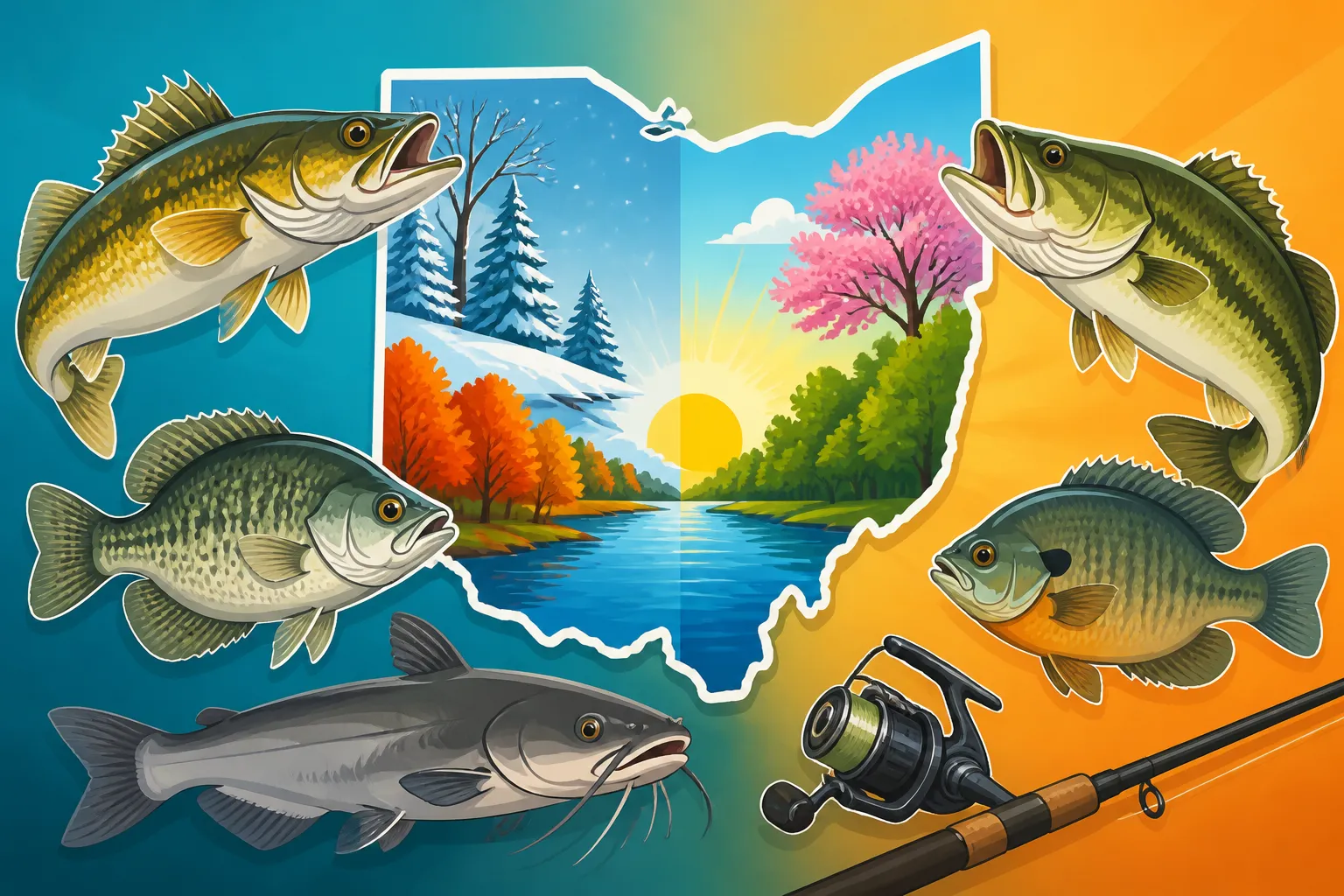
It's a common misconception that fishing in Ohio is a strictly seasonal affair, reserved only for the warm months of spring, summer, and fall. Many anglers feel a pang of sadness as the days shorten and temperatures drop, hanging up their rods until next year. But what if I told you that you don't have to pack away your passion for fishing for a significant chunk of the year? Ohio's diverse waterways and robust fish populations actually offer fantastic opportunities for those willing to adapt, meaning you can absolutely keep fishing through all four seasons. This guide is all about helping you discover the joy of year-round angling in the Buckeye State, highlighting the hardy species that remain active and the tactics you can employ to catch them, no matter what the thermometer says.
The All-Season Angler's Mindset in Ohio
Embracing year-round fishing in Ohio isn't just about knowing what fish to target; it's about adopting a flexible mindset. The truth is, many of our favorite species don't just disappear when the weather changes. They adapt, and as anglers, we need to adapt with them. It means trading in your summer shorts for insulated bibs, or your light spinning tackle for an ice auger and jigging rods. It's about understanding that the pursuit of fish can be just as rewarding, if not more so, when you're out there braving the elements and experiencing the tranquility of a frozen lake or a crisp autumn morning.
This continuous engagement with the water deepens your connection to the environment and sharpens your fishing instincts. You learn to read the water differently, to appreciate the subtle changes in fish behavior, and to find satisfaction in the unique challenges each season presents. It’s an opportunity to truly become a more versatile and knowledgeable angler, breaking free from the traditional seasonal boundaries. Plus, let's be honest, there's nothing quite like having a productive day on the water when everyone else is still huddled indoors, dreaming of spring.
Adapting to Ohio's Seasonal Shifts
Fish are cold-blooded creatures, which means their metabolism and activity levels are heavily influenced by water temperature. In the warmer months, fish are generally more active, feeding frequently and spreading out across various depths. This is when aggressive presentations and faster retrieves often pay off. As the water cools in the fall, many species enter a "feeding frenzy" phase, bulking up for winter, making them aggressive and relatively easy to catch. Think about the bustling activity around your favorite fishing hole as leaves turn brilliant shades of red and gold.
When winter truly sets in and ice forms, fish activity slows down considerably. They tend to congregate in deeper, more stable thermal refuges, and their feeding windows become shorter and less intense. This is when finesse tactics, smaller baits, and slower presentations become absolutely crucial. Spring, on the other hand, brings warming waters and the annual spawn for many species, leading to another surge in activity, often near shallow cover. Understanding these seasonal shifts in fish behavior is the first step to successful year-round fishing. You can't just throw the same lure in the same spot all year and expect consistent results; you need to think like a fish!
Gear Up for All Conditions
Successful year-round fishing requires more than just a change in tactics; it demands the right gear. In winter, this means not only specialized ice fishing equipment like augers, shanties, and tip-ups but also proper cold-weather clothing. Layering is key, with moisture-wicking base layers, insulating mid-layers, and a waterproof, windproof outer shell. Don't forget insulated boots, gloves, and a warm hat. Trust me, being cold on the ice or in a boat in December is a quick way to ruin a fishing trip. Having the right tools, whether it’s a good set of warm gloves or a reliable fish finder, makes all the difference.
For spring and fall, a good rain suit is invaluable, as weather can be unpredictable. You might start the day in sunshine and end it in a downpour. In summer, breathable, UV-protective clothing is essential to stay comfortable and prevent sunburn. A wide-brimmed hat and polarized sunglasses are also must-haves for spotting fish and protecting your eyes. And for any season, always have a well-stocked tackle box with a variety of lures, baits, and terminal tackle to match the conditions. You can find excellent selections of all these items, from basic fishing line to specialized ice fishing electronics, on Amazon.
Resilient Species: Your Year-Round Ohio Targets
While some species like smallmouth bass might become challenging to target in mid-winter or during specific regulatory closures, many fish in Ohio are fair game and actively catchable throughout the entire year. These are your bread-and-butter species for consistent action, offering excitement and dinner possibilities no matter the season. Focusing on these resilient fish will ensure that your fishing adventures never have to stop.
The Ever-Present Panfish (Crappie, Bluegill, Perch)
If there's one group of fish that truly embodies year-round availability in Ohio, it's panfish. Crappie, bluegill, and yellow perch are abundant in nearly every lake, pond, and slow-moving river throughout the state. Their smaller size means they don't require massive amounts of food, and they tend to school up, making them a fantastic target for consistent action.
In spring, you'll find them moving into shallow bays and coves to spawn, often hugging cover like submerged brush or docks. Small jigs, minnows, or worms under a bobber are deadly. Ohio Crappie Fishing Guide will give you excellent tips. Summer sees them retreat to slightly deeper water or seek shade under docks and lily pads. Again, small baits, often fished vertically or with light tackle, are the ticket. Come fall, they feed aggressively, preparing for winter, and can be found in a variety of depths. And in winter? They are the stars of the ice fishing scene! When the ice gets safe, panfish provide endless entertainment, readily biting small jigs tipped with waxworms or plastics. Their willingness to bite even in frigid conditions makes them the perfect target for a cold-weather fishing fix. For specific tips on yellow perch, check out the Ohio Yellow Perch Fishing Guide.
Catfish: The Bottom Dwellers Who Don't Quit
Ohio is blessed with a fantastic catfish population, including channel catfish, flathead catfish, and blue catfish, especially in larger rivers and reservoirs. These whiskered warriors are incredibly hardy and active throughout the year, even when water temperatures drop. While their feeding might slow down in the dead of winter, they don't stop eating entirely, making them a prime target for patient anglers.
In warmer months, catfish are aggressive feeders, hitting everything from cut bait and stink baits to live bait like shad or sunfish. You'll find them in deeper holes, near logjams, or along channel edges in rivers. As fall progresses, they continue to feed heavily, and you can often find them in similar locations. During winter, channel catfish in particular are often caught through the ice or from open water sections of rivers that remain unfrozen. They'll hold in deep pools and slack water, and a simple bottom rig with cut bait or a nightcrawler can still entice a bite. Flatheads and blues, while less active in winter, can still be found in deep main-river channels. For a deep dive into targeting these species, refer to the Ohio Channel Catfish Fishing Guide.
Walleye and Saugeye: Northern Ohio's Winter Wonders and More
While walleye and saugeye are famously pursued during their spring runs and summer trolling frenzies, they are surprisingly accessible year-round, especially in Ohio's larger bodies of water. Lake Erie, of course, is a world-class walleye fishery, and while the majority of boat traffic ceases in late fall, dedicated anglers continue to target them well into winter, often jigging or even ice fishing in shallower areas when conditions permit. The fishing often remains excellent into late fall as they feed up for winter.
Inland reservoirs like Hoover, Alum Creek, and Mosquito Lake also hold strong populations of walleye and saugeye. These fish often gather in deeper basins during the colder months, making them excellent targets for vertical jigging through the ice or from a boat in open water. Many anglers find the colder water periods in late fall and early winter to be some of the best for targeting trophy-sized fish, as they are less pressured and still actively feeding. Once spring arrives, they move to shallower spawning areas, offering fantastic shore and boat fishing opportunities. If you're looking to consistently catch these prized fish, explore the Ohio Walleye Fishing Guide and the Ohio Saugeye Fishing Guide for detailed strategies.
| Fish Species | Spring | Summer | Fall | Winter | Best Techniques (Year-Round) |
|---|---|---|---|---|---|
| Bluegill/Sunfish | Very Active | Active | Very Active | Active | Small jigs, worms, minnows, fly fishing |
| Crappie | Very Active | Active | Very Active | Active | Small jigs, minnows, spider rigging |
| Yellow Perch | Active | Very Active | Very Active | Active | Minnows, worms, blade baits, small jigs |
| Channel Catfish | Active | Very Active | Very Active | Active | Cut bait, stink baits, nightcrawlers, live bait |
| Flathead Catfish | Active | Very Active | Active | Slow | Live bait (large minnows, bluegill) |
| Blue Catfish | Active | Very Active | Active | Slow | Cut bait (shad, skipjack), live bait |
| Walleye | Very Active | Very Active | Very Active | Active | Trolling, jigging, slip bobbers, casting |
| Saugeye | Very Active | Very Active | Very Active | Active | Jigging, casting crankbaits, slip bobbers |
Strategic Locations for Year-Round Success
Knowing which fish to target is only half the battle; you also need to know where to find them. Certain types of Ohio waters offer more consistent year-round fishing opportunities due to their size, depth, or unique characteristics. By understanding these key locations, you can increase your chances of a successful outing, regardless of the season.
Larger Lakes and Reservoirs
Ohio is dotted with numerous large lakes and reservoirs, many of which are artificial impoundments created for flood control, drinking water, or recreation. These vast bodies of water, like Lake Erie, Alum Creek Lake, Hoover Reservoir, or Mosquito Creek Lake, are prime candidates for year-round fishing. Their sheer size and depth create more stable environments for fish. Deep basins act as thermal refuges in both summer (cooler water) and winter (warmer water relative to the surface), attracting fish when conditions are extreme.
These larger waters also tend to have more diverse habitat, from deep main lake points and humps to shallow flats, rip-rap, and timber, providing fish with options to move throughout the year. When ice fishing, shallower bays and coves on these lakes will often freeze first and offer good early and late-season action for panfish and even walleye. During open water seasons, the vastness allows fish to spread out but also congregate in predictable patterns around structure. Always remember to check Ohio Fishing Regulations Every Angler Should Know as specific rules can apply to certain bodies of water.
Rivers with Consistent Flow
While many smaller creeks and streams might freeze solid or become unfishable during drought, Ohio's larger rivers often offer open-water opportunities even in the coldest parts of winter. The consistent flow of rivers like the Ohio River, Scioto River, and Muskingum River prevents complete freezing in many sections, providing critical open water for fish and anglers alike. These rivers are particularly excellent for catfish year-round. Catfish will hold in deeper holes, scour cuts, and behind current breaks, where they can find food without expending too much energy.
Beyond catfish, the Ohio River system is also known for its sauger population, which remains active through the winter. Larger rivers can also offer winter opportunities for panfish in slow-moving backwaters and eddies. During the spring and fall, these rivers become hotbeds of activity as fish migrate and feed heavily. Understanding current breaks, eddy lines, and deep channel swings is crucial for success on river systems year-round. These dynamic environments demand constant observation and adjustment to your techniques.
Urban Ponds and Metropark Waters
Don't overlook the accessibility and often surprising productivity of smaller urban ponds and metropark lakes, especially for panfish and sometimes even bass or catfish. While they might freeze solid in winter, they are often among the first to thaw in spring, and their smaller size means fish are easier to locate. Many of these ponds are regularly stocked and managed, providing consistent populations. During summer, while they can get warm, fish will often hold in the deepest parts or around any available cover.
These smaller bodies of water are perfect for quick, casual trips, and they offer a great way for families to enjoy fishing year-round (when conditions allow). Bank access is usually excellent, and you don't need a boat. Just pack a light spinning rod, some worms or small jigs, and you're good to go. They can be a fantastic option for a spontaneous fishing adventure when you don't have time for a major expedition. Just be sure to check any specific metropark rules, as some may have their own permit requirements or unique regulations. For other prime locations, check out Best Places to Fish in Ohio.
Seasonal Adjustments for Consistent Catches
Catching fish year-round isn't about hoping for the best; it's about making deliberate adjustments to your approach based on the season. Fish behavior shifts dramatically with water temperature and food availability, and your tackle box should reflect that understanding.
Winter Warriors: Ice Fishing and Cold Water Tactics
When the ice gets thick and safe, Ohio transforms into an ice fishing paradise. This is when panfish truly shine. For crappie and bluegill, tiny jigs (1/32 oz or smaller) tipped with waxworms, spikes, or small plastic baits are irresistible. Look for them over weed beds, brush piles, or along breaks in 10-20 feet of water. Ohio Ice Fishing Guide offers a wealth of information. Walleye and saugeye can be targeted with jigging spoons or blade baits, often tipped with a minnow head, fished near the bottom in deeper basins or along current seams in rivers. For catfish, a dead stick with cut bait on the bottom can still produce, especially for channels in open river sections.
In open water winter fishing, patience is paramount. Fish are lethargic, so slow your retrieve down to a crawl. Use smaller baits, lighter line, and target deep holes and sheltered areas where fish are conserving energy. Electronics like a flasher or fish finder are invaluable for locating fish under the ice or in deep, cold water. Remember, slow and steady often wins the race when the water is frigid.
Spring into Action: Post-Spawn and Warming Waters
Spring is a season of transition and renewed activity. As water temperatures climb into the 40s and 50s, many species move into shallower waters for spawning. This means excellent opportunities for crappie, bluegill, and even some early walleye in creek mouths and shallow bays. For crappie, minnows under a slip bobber or small jigs cast to submerged timber are incredibly effective. Bluegill will readily take worms or tiny jigs near any emergent vegetation.
Post-spawn, fish will begin to recover and feed heavily. Look for them to move slightly deeper but still remain somewhat shallow as food sources become more abundant. This is a great time to experiment with more active presentations like small crankbaits or spinnerbaits for a variety of species. The key is to match the increasing activity level of the fish with your retrieve speed and lure choice.
Summer's Bounty: Deep Water and Night Fishing
Summer in Ohio can mean hot days and warm surface water, which often drives fish deeper to cooler, more oxygenated zones. For species like walleye, this means trolling or jigging deep points, humps, and main lake structure. You might need to adjust your gear, using heavier weights or longer lines to reach those depths. Night fishing becomes incredibly productive during the summer for many species, especially catfish, walleye, and even crappie. Catfish will cruise shallower flats and creek channels under the cover of darkness, while walleye will often move up onto shallow reefs and points to feed.
For panfish, targeting shaded areas like docks, bridge pilings, or dense lily pad fields early in the morning or late in the evening can be highly effective. During the heat of the day, vertical jigging over deeper brush piles or cribs can also produce. Don't be afraid to try live bait like nightcrawlers or minnows, as their natural scent can be a major attractor in warm water.
Fall Feast: Aggressive Feeding Before Winter
Fall is arguably one of the best times of year for consistent fishing in Ohio. As water temperatures begin to drop, most fish species enter a pre-winter feeding binge, packing on calories for the lean months ahead. This often translates to aggressive strikes and excellent catch rates. Walleye, saugeye, and crappie can be found in a variety of depths, often moving back to shallower feeding flats in low light conditions before retreating to deeper haunts.
Larger baits and more aggressive presentations can often be very effective during the fall. Crankbaits, spinnerbaits, and even larger jigs can provoke powerful strikes from feeding fish. For panfish, find them schooling up over baitfish or near structure, and they'll often hit jigs and minnows with gusto. This is also a fantastic time for catfish, which remain active and hungry. Focus on areas where baitfish are congregating, as the predators won't be far behind. Remember, a good pair of waders for river fishing or insulated outerwear for boat fishing will keep you comfortable and extend your time on the water during this prime season. Don't forget to check the Ohio Fishing Season Calendar for any specific dates or regulations.
Disclaimer
This article is for general informational purposes only and does not constitute professional advice. Laws, prices and regulations vary by location and change over time. Consult a qualified professional for guidance on your specific situation.