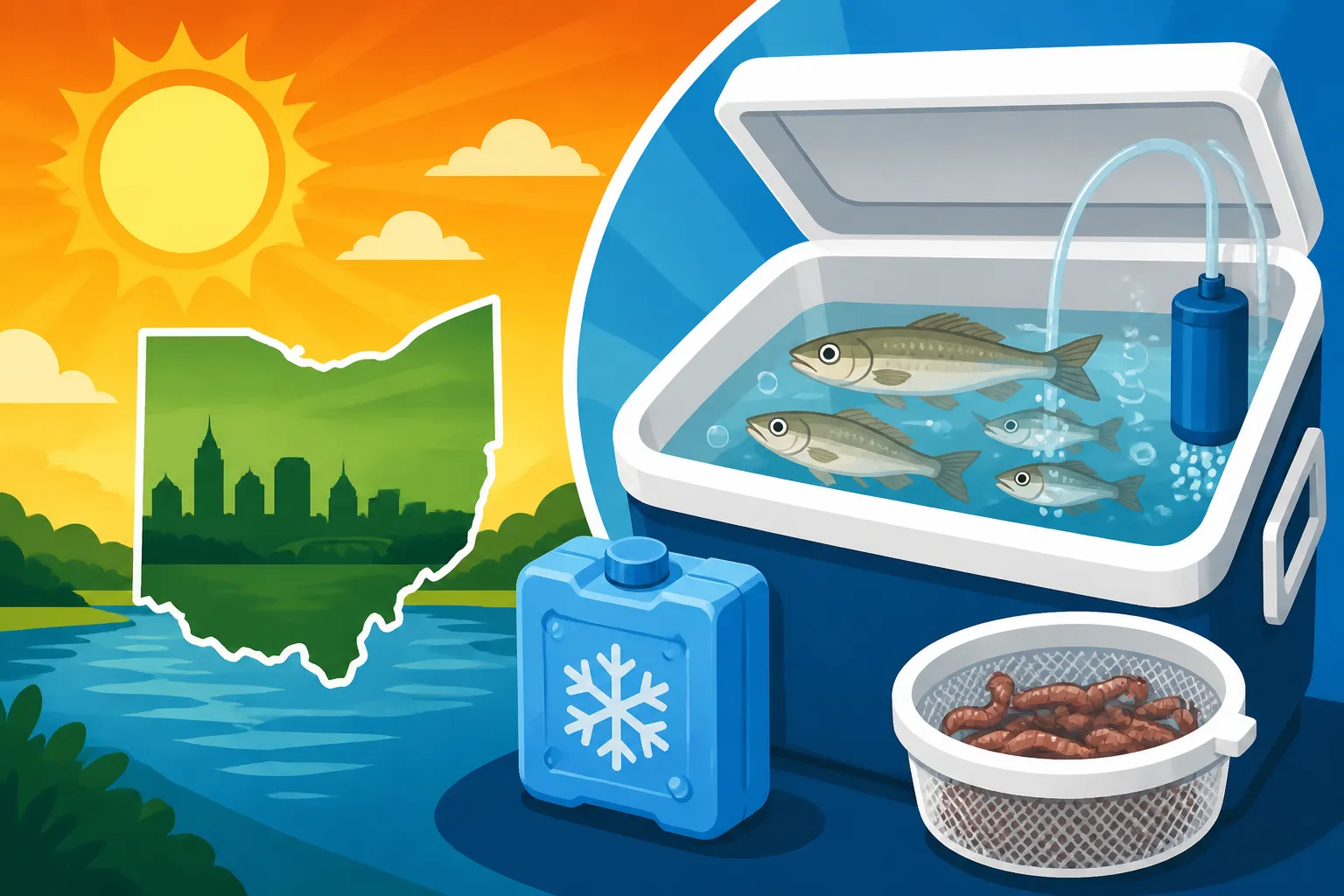
How to Keep Live Bait Alive in Summer Heat
There’s nothing quite as frustrating as heading out for a fantastic day of Ohio fishing, only to open your bait bucket and find your lively minnows floating lifelessly on top. Or perhaps your carefully selected nightcrawlers have turned into a mushy, unhappy mess in their container. Summer heat can be a real killer for live bait, making your efforts to entice those big Ohio walleye or bass much harder. This guide is here to tackle that exact problem, providing you with practical, veteran-approved strategies to keep your precious bait kicking and wiggling, even when the mercury climbs.
Understanding the Enemy: Why Summer Heat Kills Bait
Before we can effectively combat the problem, we need to understand why summer heat is such a menace to live bait. It's not just about things getting a little warm; there's a whole cascade of environmental factors that contribute to stressed, dying bait. Ignoring these is like trying to put out a fire with gasoline – it just won't work.
The Impact of High Water Temperatures
Think about how uncomfortable you get when it's scorching hot. Fish and baitfish feel the same way, but they're stuck in the water. High ambient air temperatures quickly transfer to the water in your bait bucket, especially if it's sitting in direct sunlight or in a hot boat. Minnows, shiners, and even leeches are accustomed to specific water temperature ranges in their natural habitats. When that temperature spikes, their metabolic rate increases dramatically. It's like their bodies are running a marathon in extreme heat; they burn through energy much faster, become exhausted, and their internal systems begin to fail. This isn't a slow, gentle decline; it can happen remarkably fast on a scorching July day.
The warmer the water gets, the less dissolved oxygen it can hold. This is a fundamental scientific principle, and it's devastating for bait. Cold water holds more oxygen, which is why fish are often more active in cooler conditions. As the water warms, the available oxygen plummets, creating a suffocating environment for your bait. It doesn't matter how many minnows you have; if they can't breathe, they won't last. This leads to them gulping at the surface, becoming lethargic, and ultimately, expiring long before they ever get a chance to meet a hungry fish.
Oxygen Depletion in Warm Water
As mentioned, warm water simply doesn't hold oxygen as well as cold water. This is the single biggest factor in bait mortality during summer. Imagine yourself trying to breathe through a thin straw in a sauna – that's what it's like for your bait in a hot, unaerated bucket. Beyond the physical properties of water, the bait itself contributes to the problem. Every living creature consumes oxygen and releases carbon dioxide and other waste products. The more bait you cram into a bucket, and the warmer the water, the faster they deplete the already limited oxygen supply. This creates a vicious cycle: warmer water means less oxygen, which stresses the bait, which then consumes the remaining oxygen even faster due to their elevated metabolism. Without fresh, oxygenated water, they're doomed. Even if you're only targeting catfish with Best Baits for Ohio Catfish, keeping those shiners lively is key.
Stress Factors Beyond Temperature
While temperature and oxygen are the main culprits, several other factors combine to stress your bait. Overcrowding is a huge one. Putting too many minnows into a small bucket increases waste, speeds up oxygen depletion, and causes physical stress as they bump and jostle each other. Poor water quality, whether from chlorine in tap water (which should always be avoided) or from the accumulation of ammonia and other waste products from the bait itself, is another silent killer. The vibration and motion of traveling in a boat or vehicle can also be extremely stressful, causing physical trauma and further elevating their metabolic rate. Think about a long car ride where you're constantly being bumped around – you'd be exhausted too! Avoiding these compounding stressors is just as important as managing temperature.
Essential Gear for Bait Preservation
You don't need a high-tech laboratory to keep your bait alive, but having the right tools makes a world of difference. Investing in a few key pieces of equipment can save you money in the long run by reducing bait loss and ensure you always have lively offerings on your hook.
Insulated Bait Buckets and Aerators
The cornerstone of summer bait preservation is an excellent insulated bait bucket. Forget those cheap, thin plastic buckets that let the sun bake your bait. Look for buckets with thick foam insulation, similar to a small cooler. These will significantly slow the rate at which outside heat penetrates the water. Some popular brands offer well-designed options. Many of these insulated buckets also come with a built-in aerator, or have a spot to attach one.
An aerator is a non-negotiable piece of equipment for summer bait. It works by pumping air into the water, creating bubbles that dissolve oxygen and circulate the water, preventing stagnant pockets. Battery-operated aerators are common and highly effective. Keep a spare set of batteries on hand, because nothing is worse than a dead aerator miles from the nearest store! You can find a wide range of reliable aerators and insulated bait buckets on platforms like Amazon, often with good reviews from fellow anglers. When selecting one, consider the capacity and how long the batteries typically last. For instance, if you're planning a long day targeting Ohio Walleye Fishing Guide, you'll need something robust.
Cooling Aids and Ice Strategies
Even with an insulated bucket and an aerator, on the hottest Ohio days, you'll likely need to introduce a cooling element. But be careful here! Directly adding ice cubes to your bait water is usually a bad idea. Regular tap water ice often contains chlorine and other impurities that are harmful to baitfish. Even if it's "clean" ice, melting ice can change the water chemistry too quickly, shocking the bait.
The best strategy is to use frozen plastic water bottles or freezer packs. These will slowly release cold into the water without contaminating it or causing rapid temperature swings. Keep a few in a separate cooler. As one thaws, you can swap it out for a fresh one. This slow, steady cooling keeps the water in the optimal temperature range without shocking your bait. Another trick is to freeze a block of bait-safe water (de-chlorinated or natural lake water) in a small plastic container; this melts even slower. Always aim for gradual temperature changes.
Water Treatment and Conditioners
Beyond just cooling and oxygen, the quality of your bait water is crucial. Never use chlorinated tap water directly for your bait. If tap water is your only option, treat it with a de-chlorinating agent, available at most pet stores or bait shops. These quickly neutralize chlorine and chloramines, making the water safe.
Additionally, there are various baitwell conditioners on the market. These often contain electrolytes, slime coat enhancers, and ammonia neutralizers. Electrolytes can help reduce stress and replenish essential minerals that baitfish lose. Slime coat enhancers protect their delicate skin from abrasions. Ammonia neutralizers break down harmful waste products that accumulate in the water. Using a good conditioner, especially on longer trips or when buying bait that's been in a bait shop for a while, can significantly improve your bait's longevity and liveliness. Just be sure to follow the instructions for proper dosage, as too much of anything can be detrimental. You can often find these conditioners on Amazon or at your local bait and tackle shop.
Best Practices for Handling and Transporting Bait
Having the right gear is only half the battle; knowing how to properly handle and transport your bait is equally important. Even the best equipment won't save bait that's been mishandled from the start.
Initial Bait Selection and Handling
Your bait's survival starts at the bait shop. Take a moment to observe the bait in the tanks. Are they active and swimming freely, or are many floating or moving sluggishly? Healthy bait is lively bait. Ask the shop owner to use a non-metal scoop, as metal can strip the protective slime coat from fish, making them more susceptible to disease and stress.
When you get your bait, transport it home or to the fishing spot as quickly as possible. Don't leave your bait bucket sitting in a hot car while you run other errands. If you're going a long distance, consider putting the bait bucket inside a larger cooler filled with ice (but ensure the bait bucket isn't submerged in the ice water itself – just surrounded by the cold). Keeping them cool and oxygenated from the moment you purchase them sets them up for success. This attention to detail is just as important as learning Ohio Fishing Knots to Know or choosing the right lures.
Minimizing Transport Stress
The journey from the bait shop to your fishing hole can be one of the most stressful periods for your bait. Here’s how to make it easier:
- Vehicle Placement: Never put your bait bucket in the trunk of a car on a hot day. The trunk can reach extreme temperatures, turning your bait bucket into an oven. Always keep it in the main cabin, preferably on the floor where it's cooler and less prone to tipping. If you have air conditioning, let some of that cool air circulate around the bucket.
- Secure the Bucket: Prevent excessive sloshing. A bungee cord or a non-slip mat can keep the bucket stable, reducing physical stress on the bait. Every bump and sudden stop causes stress and uses up their energy.
- Aeration During Travel: Keep your aerator running the entire time your bait is in transit. Even short trips can cause oxygen levels to drop rapidly in warm water.
- Avoid Direct Sunlight: Whether in the car or on the boat, always keep your bait bucket in the shade. Direct sunlight will rapidly heat the water, negating all your other efforts. If your boat doesn't have a shaded spot, use a towel or umbrella to create one.
On-the-Water Maintenance Routines
Once you're fishing, the work isn't over. Maintaining your bait throughout the day is key to prolonged liveliness.
- Regular Water Changes: This is arguably the most effective thing you can do on the water, especially if you don't have a constant flow of fresh water. Every few hours, or when the water starts to look cloudy or smell fishy, replace some of it with fresh, cool water from the lake or river you're fishing. Crucially, match the temperature. Don't shock your bait by dumping icy water into a warm bucket. Slowly introduce the new water, or better yet, partially exchange water over time.
- Cleanliness: Remove any dead bait immediately. Dead bait decomposes quickly, releasing ammonia and other toxins that are harmful to the living bait. Also, remove any uneaten pieces of food or debris from the water.
- Don't Overcrowd: It's tempting to bring a massive amount of bait, but quality over quantity is vital in summer. If you have a huge bucket, consider splitting your bait into two smaller, aerated buckets to reduce stress and waste buildup. This also provides a backup if something goes wrong with one bucket.
- Monitor Water Temperature: Carry a small fishing thermometer. Regularly check the water temperature in your bait bucket. Aim to keep it consistent and within a healthy range for your specific bait species. If you see it climbing, it's time to add another freezer pack or perform a partial water change. This diligent monitoring can drastically extend the life of your bait, much like understanding Ohio Fishing Season Dates and Effective Periods helps you target fish.
Species-Specific Considerations for Ohio Live Bait
Different types of bait have different tolerances and needs. Understanding these nuances will help you tailor your care routine for maximum effectiveness. Ohio anglers often rely on a few key bait types, each with its own quirks in the heat.
Keeping Minnows and Shiners Lively
Minnows and shiners (like golden shiners) are perhaps the most popular live bait in Ohio, especially for species like walleye, crappie, and bass. They are also among the most sensitive to temperature and oxygen fluctuations.
- Temperature is King: For minnows and shiners, cooler water (around 60-70°F or 15-21°C) is ideal. They can tolerate slightly warmer, but their activity level and lifespan drop significantly above 75°F (24°C). Use frozen water bottles religiously.
- Aeration is Essential: Never transport or store minnows without an aerator running. Their oxygen demand is high.
- Space Them Out: Do not overcrowd. A good rule of thumb is about one dozen 2-3 inch minnows per gallon of well-aerated water. On hotter days, reduce this number even further.
- Water Quality: Use a baitwell conditioner designed for minnows. This helps neutralize ammonia and keep their slime coat intact. When doing water changes, try to get water from the main body you're fishing to minimize shock, but always check its temperature first. Many anglers, when fishing for Best Ohio Walleye Fishing Techniques on Lake Erie, keep their minnows in robust, constantly circulating baitwells on their boats.
Caring for Worms and Nightcrawlers
Worms and nightcrawlers are robust compared to minnows, but they still succumb to heat. They don't need oxygenated water in the same way, but they do need cool, moist bedding.
- Proper Bedding: Store worms in a container filled with specialized worm bedding (often peat moss or shredded newspaper treated with nutrients). This bedding should be damp, not soaking wet.
- Keep It Cool: Place your worm container in a cooler with ice packs. Don't put the ice directly on the worms, but around their container. A temperature between 50-60°F (10-15°C) is perfect.
- Ventilation: Ensure the container has small holes for air circulation. Worms need to breathe, though their oxygen needs are far less demanding than fish.
- Avoid Direct Sun: Just like minnows, direct sunlight will cook your worms in minutes. Always keep them in the shade or in a cooler. If you're wondering how to keep nightcrawlers thriving, a good container and a spot in your cooler are key. Caring for Worms and Nightcrawlers is a detailed subject that can greatly improve your bait's lifespan.
Maintaining Leeches and Crayfish
Leeches and crayfish are surprisingly hardy, but they also have limits in extreme heat.
- Leeches: Leeches are tough. They can be stored in a cool, dark place in a shallow container of dechlorinated water. The key is cool. Keep them in a refrigerator or a cooler with ice packs (again, not directly on them). Change their water every few days, or more often if it looks murky. They don't need aeration as much as minnows, but cooler water is paramount.
- Crayfish: Crayfish need water, but also structure to cling to. They do best in a shallow amount of cool, oxygenated water with some rocks or vegetation. If you’re keeping them in a bait bucket, aeration is a good idea. Like minnows, keep them out of direct sunlight and consider a frozen water bottle to maintain water temperature. Overcrowding can lead to cannibalism, so give them space. A good way to keep crayfish is in a fine mesh bag in the water you're fishing, allowing fresh, oxygenated water to flow through, provided the water itself isn't too warm.
Keeping your live bait alive in the summer heat doesn't have to be a constant struggle. By understanding the challenges and equipping yourself with the right gear and knowledge, you can ensure your bait is always lively, tempting those fish, and ultimately, making your Ohio fishing adventures more successful and enjoyable. Sometimes, the simplest solutions, like a good insulated bait bucket or knowing when to refresh the water, can make all the difference between a frustrating day and a fantastic one.
| Bait Type | Key Summer Challenge | Essential Gear | Best Practice for Heat Management | Additional Tips |
|---|---|---|---|---|
| Minnows/Shiners | Oxygen & High Temp | Insulated bucket, Aerator | Frozen water bottles (external), water changes | Don't overcrowd, use bait conditioner, no tap water |
| Worms/Nightcrawlers | Overheating, Dryness | Breathable container, Cooler | Damp bedding, ice packs (indirect) | Keep in shade, remove dead worms, secure lid |
| Leeches | High Temp, Stagnant water | Shallow container, Cooler | Cool, dechlorinated water, frequent water changes | Dark, cool environment, no aeration needed |
| Crayfish | Overheating, Cannibalism | Aerated bucket, Shelter | Shallow cool water, rocks/vegetation, ice packs | Avoid overcrowding, regular water changes |
How Long an Ohio Fishing License Stays Valid
Ohio Resident Fishing License Cost
Best Time of Day to Catch Walleye on Lake Erie
Best Spring Fishing Techniques in Ohio
Best Summer Fishing Techniques in Ohio
Best Fall Fishing Techniques in Ohio
Best Winter Fishing and Ice Safety
Best Baits for Ohio Crappie
Ohio Muskie Fishing Guide
Ohio River Fishing Guide
Best Ohio Reservoirs for Walleye and Saugeye
Ohio Statewide Bag and Size Limits
Disclaimer
This article is for general informational purposes only and does not constitute professional advice. Laws, prices and regulations vary by location and change over time. Consult a qualified professional for guidance on your specific situation.