Ohio State Record Fish by Species
Many anglers dream of landing a trophy fish, that one legendary catch that truly stands out, but often they're left wondering if their big fish is really big enough to etch their name in the record books. The pursuit of an Ohio state record isn't just about the fish itself; it's about the challenge, the dedication, and the thrill of knowing you caught something truly exceptional. This comprehensive guide will walk you through the world of Ohio's state record fish, exploring the various species that hold these coveted titles and what it takes to join their ranks.
The Quest for Ohio's Giants: Understanding State Records
For many of us who wet a line in Ohio, there’s a quiet aspiration to catch "the big one." We hear tales from our grandparents about monstrous walleye from Lake Erie or muskie that could swallow a small dog, and it fuels our own desire. But what exactly makes a fish a "state record"? It’s more than just a big fish; it’s a fish officially recognized as the largest or longest of its species caught by legal means within the state of Ohio. This recognition comes with a fair bit of pride and a nod to the skill, patience, and sometimes sheer luck of the angler.
Why State Records Matter to Anglers
Beyond bragging rights, state records serve a vital purpose. They inspire anglers, pushing them to explore new techniques and waters, and to understand fish behavior better. For a dedicated angler, pursuing a state record isn't just a hobby; it's a quest that involves meticulous planning, top-tier equipment (perhaps a heavy-duty scale found on Amazon for those potential giants), and a deep understanding of the target species. It also helps conservation efforts by highlighting the potential of Ohio's diverse fisheries, reminding us all what incredible resources we have right in our backyard. The lore around these legendary fish encourages responsible angling, so those future record-breakers have a chance to grow.
The Difference Between Length and Weight Records
You might be thinking, "A record is a record, right?" Well, not always. Ohio, like many states, recognizes different types of records, primarily focusing on two categories: weight and length. A traditional "all-tackle weight record" is usually what people picture – the heaviest fish of a certain species ever caught, typically requiring a certified scale and witnesses. These fish are often kept for taxidermy or as fillets to feed a small army, becoming a tangible memory.
However, with a growing emphasis on conservation and catch-and-release practices, "catch-and-release length records" have become increasingly popular. This category celebrates the longest fish of a species caught, measured accurately (often with a bump board or measuring tape), photographed, and then released back into the water to fight another day. This method allows anglers to pursue trophy fish without removing them from the ecosystem, ensuring that those genetics and growth potential remain to benefit future generations of fish and anglers. This is especially true for slow-growing species like muskie, where releasing a large fish is paramount.
Ohio's Record-Keeping Organization
The Ohio Department of Natural Resources (ODNR) Division of Wildlife is the official keeper of Ohio's state fishing records. They have a detailed process for verifying claims, ensuring that every record is legitimate and adheres to established rules. This isn't just about taking an angler's word for it; there are strict criteria regarding the fish's identification, the methods used to catch it, and how it was measured and weighed. When you’re dealing with a potential record-setter, you'll need to know these rules inside and out, from proper handling to photographic evidence and official witness statements. Understanding Ohio Fishing Regulations Every Angler Should Know is critical not just for legal fishing, but for legitimate record submission.
Lake Erie's Titans: Walleye, Perch, and Smallmouth Bass Records
When you talk about trophy fishing in Ohio, Lake Erie inevitably comes to mind. It's not just a lake; it's an inland sea, a powerhouse of fishing opportunity, and home to some truly gargantuan fish that have made it into the state record books. The sheer size and productivity of Lake Erie make it a prime location for anglers chasing those elusive record-breakers, especially for its most famous inhabitants.
Walleye: The King of Lake Erie
It’s no secret that Lake Erie is renowned as the "Walleye Capital of the World." The deep, nutrient-rich waters provide an ideal habitat for these highly prized game fish, allowing them to grow to incredible sizes. Ohio's state record walleye typically come from Lake Erie, a testament to the lake's incredible fishery. Imagine the fight, the thrill of reeling in a walleye that might just be the largest of its kind ever caught in the state!
Anglers pursuing these giants often employ a range of techniques, from trolling with crankbaits and crawler harnesses to jigging over structure. The challenge isn't just finding a walleye, but finding the walleye that could tip the scales past all previous records. Many an Ohio angler has spent countless hours on Lake Erie Fishing Guide for Ohio Anglers its expansive waters, meticulously charting depths and currents, hoping to connect with that one fish of a lifetime. The sheer anticipation of each strike, knowing it could be the one, is what keeps us coming back.
Yellow Perch: Jumbo Expectations
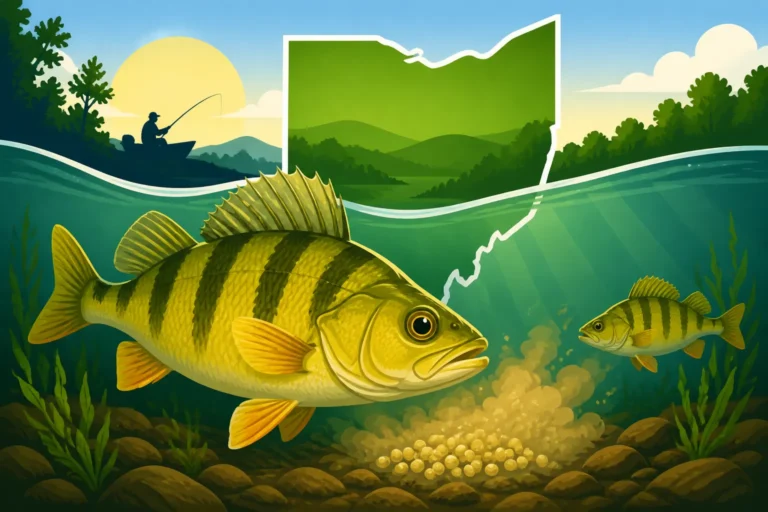
While walleye steal much of the spotlight, Lake Erie's yellow perch are a beloved target for many Ohioans, and for good reason. These delicious panfish can grow to impressive sizes in Lake Erie, far exceeding the typical size found in inland lakes. A "jumbo perch" from Lake Erie is a substantial fish, and the state record yellow perch is an absolute monster.
Catching record-size perch often involves finding large schools in specific depths, usually with shiner minnows or pieces of nightcrawler on small jigs or perch rigs. The pursuit is often a social affair, with boats clustering together when a hot bite is found. However, to land a state record, you need to find an anomaly – a perch that has managed to outgrow its brethren significantly. It’s a hunt for an individual leviathan within the schooling masses, often requiring patience and perhaps a little extra finesse to coax that exceptional fish onto your hook. Check out the Ohio Yellow Perch Fishing Guide for more insights into finding these schooling fish.
Smallmouth Bass: Feisty Fighters
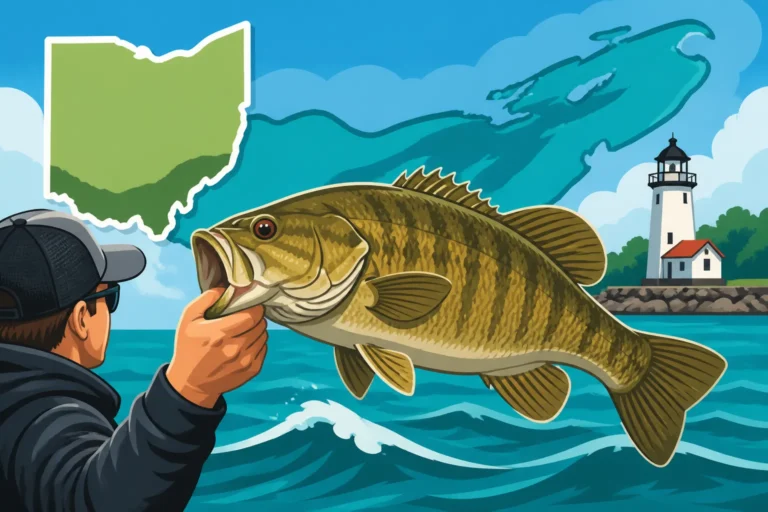
Lake Erie isn't just for walleye and perch; its rocky, cool-water habitats are also perfect for smallmouth bass, which are known for their acrobatic fights and aggressive strikes. The smallmouth bass in Lake Erie are notorious for their size and strength, making them a favorite target for anglers who love a hard-fighting fish. The Ohio state record smallmouth bass is a true testament to the lake's ability to produce world-class bronze backs.
These aggressive predators can be found around the lake’s many reefs, rocky points, and island structures. Anglers target them with a variety of lures, including tube jigs, crankbaits, jerkbaits, and drop shots. The thrill of hooking into a powerful smallmouth, especially one of record potential, is unmatched. They leap, they dive, they try every trick in the book to throw the hook, and that’s precisely why they are so captivating to pursue. For tips on battling these tough fish, consult the Ohio Smallmouth Bass Fishing Guide.
Inland Waterway Monsters: Muskie, Catfish, and Bass Records
While Lake Erie garners significant attention, Ohio's vast network of inland lakes and rivers also holds incredible potential for state record fish. From obscure farm ponds to sprawling reservoirs and mighty rivers, these diverse waters are home to a different set of challengers, each with their own unique characteristics and impressive state records. The chase for these inland giants often requires specialized knowledge, different gear, and a deep appreciation for the subtle nuances of freshwater fishing.
Muskellunge: The Fish of 10,000 Casts
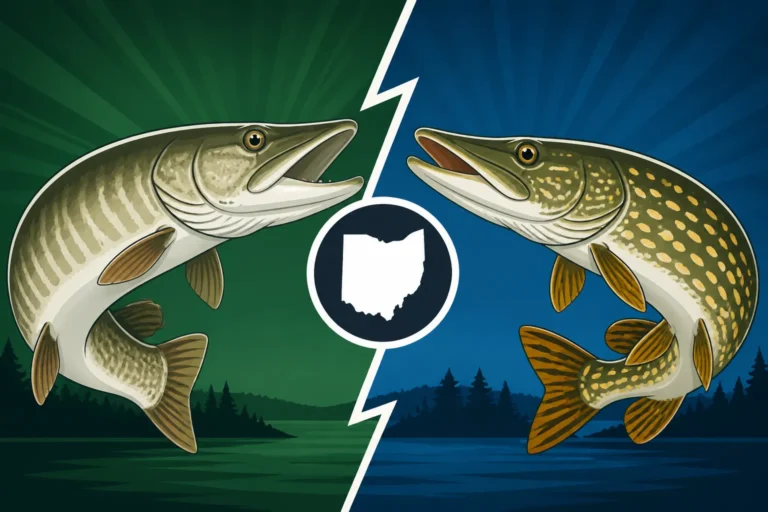
The muskellunge, or muskie, is a legendary fish in Ohio, aptly nicknamed "the fish of 10,000 casts" due to its notoriously elusive nature. Landing a muskie of any size is an achievement, but catching a state record muskie is the pinnacle of freshwater angling for many. These apex predators inhabit some of Ohio’s larger reservoirs, like Alum Creek and Piedmont, growing to immense lengths and weights.
The pursuit of muskie often involves heavy-duty gear, casting massive lures (which you can find a huge selection of on Amazon), and an unshakeable resolve. Muskie fishing is a mental game as much as a physical one, demanding patience through long hours of casting and retrieving. When that strike finally comes, it's explosive, a violent tug that can rip the rod from your hands if you're not ready. The Ohio state record muskie represents an animal of incredible size and power, a true freshwater leviathan that tests the limits of angler and tackle. Learn more about pursuing these giants in the Ohio Muskie Fishing Guide.
Ohio's Giant Catfish: Channel, Flathead, and Blue
Ohio's rivers and large reservoirs are home to several species of catfish, and all of them can grow to astounding sizes, making their state records truly impressive. We're talking about fish that can easily outweigh a small child, offering a brute force fight that can tire out even the most seasoned angler. The Ohio River, in particular, is a hotspot for these bottom-dwelling giants.
- Channel Catfish: While typically smaller than their flathead and blue cousins, channel catfish can still reach significant weights, especially in nutrient-rich waters. Their state record is a testament to the potential for these widespread fish to grow into true monsters. They're often targeted with stink baits, cut bait, or even chicken livers.
- Flathead Catfish: These ambush predators prefer live bait and can grow absolutely enormous, often lurking in logjams and deep holes in rivers like the Ohio. The Ohio state record flathead catfish is a leviathan, a true river monster that demands heavy tackle and unwavering patience.
- Blue Catfish: While perhaps less common than channels or flatheads in many Ohio waters, blue catfish are known for their massive size and are a prime target in the Ohio River. Their state record is always a heavyweight contender, challenging anglers with their sheer power and stamina.
Whether you're fishing the depths of the Ohio River or a large inland lake, targeting these colossal catfish is an experience unlike any other. For more specific advice, check out the Ohio Channel Catfish Fishing Guide and the Ohio River Fishing Guide.
Largemouth Bass: Pond and Reservoir Fatties
The largemouth bass is arguably the most popular game fish in North America, and Ohio is no exception. While they might not reach the incredible lengths of a muskie or the weights of a big catfish, the Ohio state record largemouth bass represents a truly massive specimen of this beloved species. These records are often set in fertile farm ponds or large, warm-water reservoirs, where bass have abundant forage and optimal growing conditions.
Anglers pursue largemouths with an incredible array of techniques, from flipping jigs into heavy cover to casting topwater lures over lily pads. Catching a record-sized largemouth often comes down to targeting specific big-fish habitat, using larger baits, and being at the right place at the right time. The explosive strike and powerful fight of a trophy largemouth make it an exhilarating catch for any angler. To improve your chances, delve into the Ohio Largemouth Bass Fishing Guide.
Panfish and Lesser-Known Records: Beyond the Big Game
While the glamour of giant walleye, muskie, and catfish often dominates the headlines, Ohio's state record books also recognize a diverse array of other species, including many panfish and lesser-known game fish. These records are equally impressive in their own right, showcasing the incredible potential of even common species to grow to astonishing sizes under the right conditions.
Crappie: Slab-Sided Delights
Both white and black crappie are immensely popular panfish in Ohio, cherished for their delicious fillets and willingness to bite. While most crappie you catch might be dinner-plate size, the Ohio state record crappie are true "slabs" – fish that have grown far beyond the average, often reaching weights that make you do a double-take. These record-setting crappie usually come from fertile lakes or reservoirs with ample forage and protective cover.
Finding record crappie often means locating large schools in deeper water, especially around submerged brush piles, standing timber, or bridge pilings. Anglers use small jigs, minnows, or a combination of both to entice these oversized panfish. The light tackle used for crappie makes even a large one a thrilling fight, and landing a state record would certainly be a memory to cherish. Explore the Ohio Crappie Fishing Guide for techniques and locations.
Saugeye and Sauger: The Hybrid and the Native
Ohio is unique in its prevalence of saugeye, a sterile hybrid cross between a female walleye and a male sauger, which are regularly stocked in many inland reservoirs. Saugeye grow quickly and offer an excellent fishing experience, often reaching impressive sizes. The state record saugeye is a testament to the success of this stocking program, highlighting the potential for these hybrids to become true trophies.
Sauger, on the other hand, are native fish, generally smaller than walleye and saugeye, but still provide excellent sport, especially in the Ohio River and its larger tributaries. Their state record is a significant catch, often found in deeper, swifter current. Anglers target both saugeye and sauger with jigs, blade baits, and minnows, often focusing on areas with current breaks and submerged structure. Understanding the distinctions and fishing techniques for these species is key to success, as detailed in the Ohio Saugeye Fishing Guide.
Trout and Other Unique Records
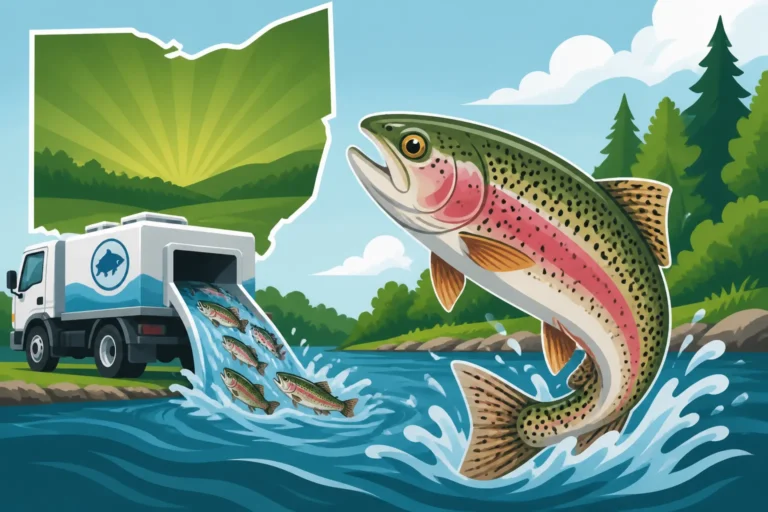
While Ohio isn't typically known as a "trout state" in the way some mountainous regions are, the ODNR does stock rainbow trout in various lakes and streams, providing unique fishing opportunities. The state record rainbow trout is a massive fish, far larger than the typical stocked trout, proving that some individuals manage to thrive and grow to incredible proportions. Beyond rainbow trout, Ohio's record books feature a fascinating array of other species, from various sunfish like bluegill and redear to carp, drum, and even some invasive species where records might be recognized. Each of these records represents an extraordinary catch within its species, often highlighting the unexpected potential in Ohio's waters. The diversity of the record list truly reflects the richness of Ohio's aquatic ecosystems.
The Thrill of the Chase: How Records Are Verified and Submitted
The journey to an Ohio state record doesn't end when you land the fish; in many ways, that's where the real work begins. The ODNR Division of Wildlife takes state records seriously, and for good reason – these records represent the pinnacle of angling achievement in the state and must be rigorously verified to maintain their integrity. This process ensures that every record is legitimate, fair, and documented properly for posterity.
The Official Submission Process
If you believe you've caught a potential state record, the first thing you need to do is consult the official rules provided by the ODNR Division of Wildlife. Time is often of the essence, especially for weight records, as fish lose weight after being caught. Typically, you'll need to get the fish weighed on a certified scale (like those found at groceries or marinas that are regularly calibrated) by an official witness, and its species identified by an ODNR official or qualified biologist.
For length records, accuracy in measurement is paramount. A good, rigid measuring board is key. The process usually involves submitting a detailed application form, which covers everything from the date and location of the catch to the type of tackle used. Don't skip any steps; overlooking a detail could disqualify your incredible catch. It’s an exciting but intense period, where every piece of information matters.
Required Documentation and Photos
Photographic evidence is absolutely critical for any state record submission. You’ll need clear, well-lit photos of the fish, showcasing its full length and distinct markings, especially if it’s for a length record with a measuring device clearly visible. For weight records, a photo of the fish on the certified scale, with the weight clearly displayed, is often required. You'll also need a witness (or multiple witnesses) to attest to the catch, the weighing, and the measurements.
Think of it like a detective case: you need to provide irrefutable evidence. Having a good quality camera (or phone camera) and understanding how to take effective photos in the moment is a skill in itself. It's often recommended to carry a reliable, accurate tape measure and perhaps a small, certified hand scale (many good options exist on Amazon) if you're seriously chasing records, to get initial readings before finding an official scale.
Ethical Angling and Record Pursuit
The pursuit of state records should always align with ethical angling practices and conservation principles. While a weight record might necessitate keeping the fish, catch-and-release practices are strongly encouraged, particularly for species that take a long time to grow, like muskie and steelhead. Using appropriate tackle to minimize stress on the fish, handling it gently, and ensuring a quick, healthy release are all part of being a responsible angler.
The true spirit of fishing for many isn't just about the numbers; it's about the experience, the challenge, and respecting the resource. If you're going for a length record, having a camera ready, knowing how to quickly measure and photograph the fish, and understanding proper release techniques are paramount. It's about celebrating the fish's size while also giving it the best chance to survive and potentially spawn more trophy-sized offspring.
Preserving the Legacy: Catch and Release for Future Records
The drive to achieve an Ohio state record is powerful, but it's intertwined with a growing understanding of conservation. While some records, particularly weight records, mean taking the fish, many anglers are now championing catch-and-release, ensuring that the incredible genetics and growth potential of these trophy fish remain in our waters. This shift isn't just about being "nice" to fish; it's a strategic approach to sustaining and enhancing our fisheries for the long term.
Understanding the Importance of CPR (Catch, Photo, Release)
Catch, Photo, Release (CPR) has become a mantra for many trophy anglers, especially when targeting species like muskie, large bass, and steelhead. For species that can live for many years and grow to immense sizes, releasing a big fish means it can continue to contribute to the gene pool and provide future angling opportunities. Imagine releasing a potential record-setting muskie, knowing that it might be caught again even larger, or that its offspring could one day claim a spot in the record books.
CPR also allows for the pursuit of length records without impacting the fish population. It’s a way to celebrate individual achievement while simultaneously investing in the health of the fishery. Many tournaments are now exclusively catch-and-release, highlighting length as the primary metric for success. This approach fosters a culture of stewardship among anglers, reminding us that we are custodians of this natural resource.
Proper Handling for Trophy Fish
If you’re serious about catching and safely releasing a trophy fish, proper handling is non-negotiable. This means minimizing the time the fish is out of water, supporting its entire body weight (especially for long, heavy fish), and avoiding contact with its gills or eyes. For large fish, a big, rubberized landing net is indispensable, protecting the fish's slime coat and fins. Heavy-duty jaw grippers can also be helpful for certain species like muskie or pike, allowing for better control without putting hands near sharp teeth.
When measuring, lay the fish on a wet measuring board or mat to prevent scale damage. Take your photos quickly and efficiently. If the fish appears stressed, take extra time to revive it boat-side by holding it gently in the water, facing into a mild current, until it can swim off under its own power. Proper handling ensures that your record-sized catch has the best chance of survival, continuing its legacy in Ohio's waters.
Beyond the Record: Personal Bests and Conservation
While chasing an official state record is an exhilarating goal, it's also important to remember that every angler's "personal best" is a record in its own right. The joy of catching the biggest fish you've ever caught is a powerful, personal milestone that rivals any official state record. These personal achievements often drive us to learn more, explore new techniques, and become better anglers. For instance, successfully landing a huge walleye after applying techniques from an Ohio Walleye Fishing Guide can be a huge personal victory.
Ultimately, the stories behind these state records, whether they are officially recognized or personal achievements, contribute to the rich tapestry of Ohio fishing. They remind us of the incredible diversity and potential of our lakes and rivers and underscore the importance of conservation. By understanding the rules, practicing ethical angling, and embracing both the challenge and responsibility, we can all contribute to a vibrant future for Ohio fishing, ensuring that future generations have their own chance to pursue giants and perhaps even break a state record themselves.
Ohio State Record Categories and Key Species
To help aspiring record-chasers understand the landscape, here's a general overview of the types of records recognized and some of the key species often pursued. Remember, specific weights and lengths change as records are broken, so always consult the ODNR's official list for current numbers.
| Record Type | Description | Key Requirements | Common Target Species |
|---|---|---|---|
| All-Tackle Weight | Heaviest fish of a given species caught by rod and reel. | Certified scale, official witness, species verification. | Walleye, Muskie, Channel Catfish, Flathead Catfish, Bass |
| Catch-and-Release Length | Longest fish of a given species caught and safely released. | Measuring device (board/tape), clear photos, witness. | Muskie, Steelhead, Largemouth Bass, Smallmouth Bass, Saugeye |
| Youth Records | Records specific to anglers under a certain age (e.g., 16). | Same verification as adult records, age proof. | Crappie, Bluegill, Bass, Catfish |
| Fly Fishing Records | Fish caught using fly fishing tackle adhering to specific rules. | Certified scale/length, specific tackle rules, witness. | Steelhead, Trout, Smallmouth Bass |
Disclaimer
This article is for general informational purposes only and does not constitute professional advice. Laws, prices and regulations vary by location and change over time. Consult a qualified professional for guidance on your specific situation.