Walleye Spawning Behavior in Ohio
Understanding walleye spawning behavior is absolutely crucial for any angler hoping to consistently find and catch these elusive, delicious fish in Ohio. It's not just about knowing when the "bite" is on; it's about appreciating the incredible natural cycles that govern their lives and impact their populations. Many anglers get frustrated when walleye seem to vanish after a strong early spring bite, and often, it's because they've transitioned into or out of their spawning routine. This comprehensive guide will pull back the curtain on the fascinating world of walleye reproduction in Ohio, covering everything from where they go to what conditions trigger their spawning activity, and how this cycle impacts your fishing strategy.
The Basics of Walleye Spawning: Where and When It Happens
Walleye are remarkable fish, and their annual spawning migration is one of the most significant events in their life cycle. It dictates their movements, their feeding habits, and ultimately, where anglers can find them. In Ohio, we're lucky to have some world-class walleye fisheries, none more famous than Lake Erie, but our inland lakes and rivers also hold significant populations that exhibit similar, yet sometimes nuanced, spawning behaviors.
Preferred Spawning Habitats in Ohio
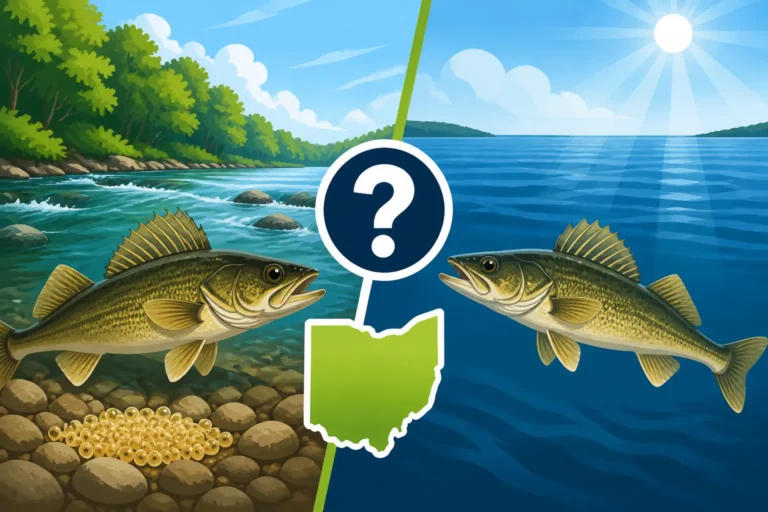
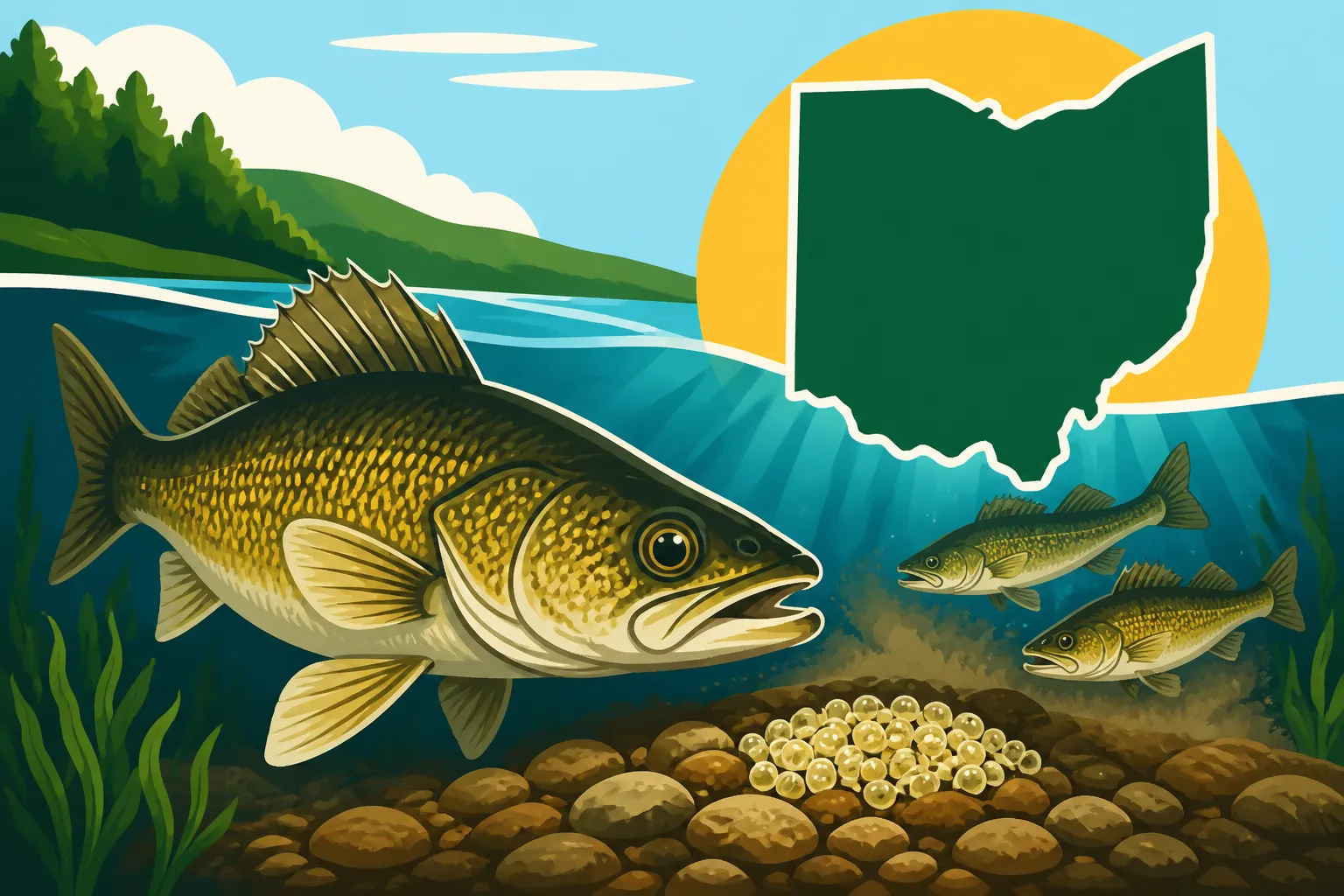
When it comes to picking a place to lay their eggs, walleye aren't just looking for any old spot. They have very specific preferences. Generally, they seek out areas with clean, hard bottoms. Think about rocky reefs, gravel shoals, or stretches of riverbed with a mix of small to medium-sized rocks and rubble. These types of substrates are ideal because they allow water to flow freely over the eggs, keeping them oxygenated and preventing silt from smothering them.
In Lake Erie, this means vast expanses of the western basin's shallow reefs and island complexes become prime spawning grounds. Areas around the Bass Islands, Kelleys Island, and the numerous offshore reefs are legendary. Tributary rivers like the Maumee and Sandusky also draw massive numbers of walleye from Lake Erie, as they migrate upstream to find gravelly runs and riffles perfect for spawning. These river runs are spectacular to witness, a true natural phenomenon. Inland, reservoirs such as Mosquito Lake or Indian Lake will see walleye congregating on rocky points, submerged humps, or near dam rip-rap where currents and harder bottoms prevail. It's a testament to their instinctual drive to ensure the survival of the next generation. For a broader overview of where to find these fish, check out our Ohio Walleye Fishing Guide.
The Critical Role of Water Temperature
If there's one single factor that triggers walleye spawning, it's water temperature. These fish are cold-blooded, and their biological clock is finely tuned to the mercury's rise and fall. As winter's chill loosens its grip and spring brings warmer days, the water temperature begins its slow climb. This gradual warming acts as the signal for walleye to begin their pre-spawn migrations and ultimately, to spawn.
Typically, walleye in Ohio will begin their spawning activities when water temperatures consistently reach the range of 40 to 50 degrees Fahrenheit (approximately 4.5 to 10 degrees Celsius). While 45°F is often cited as the sweet spot, it's more of a window than a precise temperature. In early spring, when the water just touches this lower end, the first eager males might start to move, but the peak activity for both sexes often occurs closer to the middle of that range. Sustained temperatures in this window, often accompanied by increasing daylight hours, are what truly get the party started. Knowing the Water Temperature That Triggers Walleye Spawning can be a game-changer for your early season fishing.
Timing the Spawning Run in Ohio Waters
Given the critical role of water temperature, the exact timing of the walleye spawn can shift from year to year. A mild winter and an early spring can mean an earlier spawn, sometimes even in late March. Conversely, a long, cold winter followed by a slow-to-warm spring might push the peak into mid-April, or even later.
Generally, for Lake Erie walleye migrating into the Maumee River or Sandusky River, the main run usually begins in late March and can extend through April, with peak activity often in the first couple of weeks of April. On the lake itself, particularly in the western basin reefs, the spawn typically happens from early to mid-April. Inland lakes and reservoirs might see their walleye spawn a bit earlier or later depending on their depth, elevation, and how quickly they warm up in the spring. It's not uncommon for anglers to follow the progression, starting with river runs and then transitioning to the reefs as lake temperatures catch up. Staying informed about local conditions and reports is key to timing your fishing trips effectively. Our Ohio Fishing Season Calendar provides a general overview of seasonal fish behavior.
The Spawning Process Itself: From Pre-Spawn to Post-Spawn
The walleye spawning journey is a multi-stage event, with each phase presenting unique challenges and opportunities for the fish, and distinct patterns for anglers to observe. It's a period of intense activity and biological imperative that transforms their behavior entirely.
The Pre-Spawn Aggregation and Migration
Before the actual act of spawning, walleye undertake significant migrations. They'll travel from their deeper wintering grounds to staging areas near their chosen spawning sites. This is the "pre-spawn" phase, and it's a time of massive aggregations. These fish are often hungry, gorging themselves to build up energy reserves for the strenuous spawning process ahead.
In Lake Erie, this means large schools of walleye will move towards the western basin reefs, or make their way into the lower stretches of the Maumee and Sandusky rivers. Picture hundreds of thousands of walleye, sometimes millions, moving with a singular purpose. They're staging, waiting for those perfect water temperatures and conditions to trigger the final push onto the spawning grounds. During this phase, they are often actively feeding, making it a highly anticipated time for anglers. These hungry fish can be quite aggressive, striking at a variety of baits as they prepare for the fast ahead. This is a fantastic time for anglers, as the fish are concentrated and often willing to bite. You can find excellent fishing opportunities during the Maumee River Walleye Run Fishing or the Sandusky River Walleye Run Fishing.
The Act of Spawning: Broadcast Spawners
Walleye are what scientists call "broadcast spawners." This means they don't build nests or guard their eggs. Instead, the females release their eggs directly into the water column, and multiple males simultaneously release their milt (sperm) to fertilize them. This typically happens over rocky or gravelly bottoms, often at night, though sometimes during the day in low-light conditions or overcast weather.
A single female walleye can lay tens of thousands, sometimes hundreds of thousands, of eggs depending on her size and age. These eggs are slightly adhesive and will stick to rocks, gravel, or even submerged vegetation, which helps prevent them from being swept away by currents. The sheer volume of eggs ensures that despite high mortality rates from predation and environmental factors, enough will survive to replenish the population. Once the eggs are laid and fertilized, the adult walleye offer no parental care; their biological duty is complete, and they begin to disperse.
Post-Spawn Recovery and Dispersal
After the exhaustive process of spawning, both male and female walleye are depleted. They've used a tremendous amount of energy and haven't been actively feeding. This "post-spawn" period is all about recovery. They'll slowly disperse from the immediate spawning grounds, often moving to nearby deeper water or transition zones where they can rest and begin to feed again.
Initially, their bite might be light or inconsistent as they regain strength. As they recover, they'll become more aggressive feeders, trying to recoup the weight and energy lost. This recovery period can last for several weeks, and the fish will gradually spread out across their summer feeding grounds. Understanding this dispersal is key for anglers, as the tactics that worked during pre-spawn or spawning will no longer be effective. You'll need to adapt your approach to target these recovering, more scattered fish. For tips on navigating these periods, our Best Time of Year to Fish Lake Erie for Walleye article offers further insights.
Key Factors Influencing Spawning Success
The success of a walleye spawn isn't just about the fish showing up and laying eggs; a myriad of environmental factors play a crucial role in whether those eggs hatch and survive their vulnerable early stages. Ohio's dynamic waterways present both challenges and opportunities for these factors.
Impact of Water Levels and Flow
Water levels and flow rates are incredibly important, especially in river spawning scenarios like the Maumee and Sandusky. Ideal conditions involve stable to gradually declining water levels after a spring freshet (the spring runoff from snowmelt and rain). This provides access to spawning grounds and then allows eggs to remain submerged and oxygenated.
If water levels drop too rapidly, eggs laid in shallower areas can be left high and dry, leading to total mortality. Conversely, if there's a sudden, severe flood during or immediately after the spawn, the intense currents can scour eggs from the substrate, or excessive turbidity (muddy water) can smother them. Maintaining consistent, moderate flow is paramount. Lake Erie's fluctuating levels also play a role on the reefs; if water levels are unusually low, some prime reef tops might not be adequately covered, or if exceptionally high, it could make finding the preferred substrate more challenging. This delicate balance is often outside human control, making each year's spawn a unique event.
Substrate Quality and its Importance
We touched on this earlier, but it bears repeating: the quality of the spawning substrate is non-negotiable for walleye. They need clean, relatively silt-free rock and gravel. The pores and crevices between the rocks provide crucial protection for the eggs from predators and offer good water circulation for oxygen.
Pollution, agricultural runoff, and excessive erosion can all lead to siltation, which smothers walleye eggs by cutting off their oxygen supply. If the gravel beds become covered in fine sediment, they lose their viability as spawning grounds. This is why conservation efforts often focus on protecting shorelines, implementing best management practices for agriculture, and controlling urban runoff to keep our rivers and lakebeds as clean as possible. A healthy ecosystem with diverse, clean substrate types is the backbone of a successful walleye fishery. Anglers who care about the future of the fishery understand that clean water means healthy fish.
Predation and Environmental Threats
From the moment they are laid, walleye eggs face a gauntlet of threats. Nature is a tough place, and very few eggs will make it to adulthood. Other fish species, like various suckers, carp, and even other walleye, will readily feed on the abundant eggs. Crayfish and insect larvae also consume significant quantities.
Beyond biological threats, environmental factors can decimate an egg crop. Sudden cold snaps that drop water temperatures significantly after eggs have been laid can kill developing embryos. Prolonged periods of strong winds can stir up bottom sediments, leading to siltation on reef spawns. Human activities, too, can pose threats. Unregulated dredging, irresponsible shoreline development, and certain types of commercial fishing practices in critical areas can disrupt spawning or damage habitat. Ohio Fishing Regulations Every Angler Should Know and Lake Erie Fishing Regulations in Ohio are put in place to help protect these vulnerable periods, and it's essential for all anglers to understand and adhere to them.
How Spawning Behavior Affects Anglers
The walleye spawn is a time of both excitement and challenge for anglers. Understanding the fish's motivation and location during each phase can dramatically improve your chances of success, while also ensuring you're fishing responsibly.
Fishing During the Pre-Spawn Aggregation
This is often one of the most anticipated times of the year for walleye anglers. As walleye stage in large numbers, they are aggressively feeding to build energy reserves. This makes them highly catchable. Techniques often involve trolling crankbaits or blade baits, casting jigs with plastics or live bait, or even jigging vertically in deeper staging areas.
Think about the Maumee River walleye run, where thousands of anglers line the banks, casting jigs with bright-colored plastics. The fish are concentrated, hungry, and often relatively shallow. It's a fantastic time to fill a cooler, but also a time when responsible angling is paramount. Knowing when and where these aggregations occur, and having the right gear, like sturdy jigging rods and a selection of reliable jigs from Amazon, can make all the difference. This pre-spawn period is short but sweet, offering some of the fastest action of the year.
Respecting Spawning Areas and Closed Seasons
While pre-spawn fishing can be phenomenal, it's crucial to understand that once walleye move onto the actual spawning grounds, regulations often change. Some areas may have temporary closures or specific restrictions to protect the vulnerable spawning fish and their eggs. This is particularly true in river systems where large numbers of fish are concentrated in shallow, easily accessible areas.
Even where fishing is permitted, the fish on the spawning beds are not typically interested in feeding. They are focused solely on reproduction. Targeting them directly on the beds can be counterproductive, as it often results in foul-hooked fish or stressed spawners without a strong feeding bite. Responsible anglers understand the importance of allowing fish to complete their reproductive cycle undisturbed. Check local regulations annually; our Ohio Statewide Bag and Size Limits and general Ohio Fishing Regulations Every Angler Should Know are designed with these sensitive periods in mind.
Post-Spawn Tactics for Recovering Walleye
Once spawning is complete, walleye disperse and enter their recovery phase. This period can be tricky for anglers because the fish are often lethargic, weak, and spread out. They are not as concentrated or aggressive as they were pre-spawn. They will slowly begin to feed again, but often prefer slower presentations and easier meals.
During this time, walleye might move to deeper breaklines, channel edges, or areas with abundant baitfish. Trolling with crawler harnesses or slow-moving crankbaits can be very effective as they begin to put on weight. Bottom bouncing with live bait, like shiners or nightcrawlers, also works well. The key is to cover water, locate scattered schools, and present baits slowly and naturally. Patience is a virtue in the post-spawn period, but those who adapt their techniques can still find success. It's also a good time to remember that after the intense exertion, these fish need a bit of a break, so careful handling and quick releases for any fish you don't intend to keep are always appreciated.
Conservation Efforts and Management
The incredible walleye fishery in Ohio, particularly in Lake Erie, is not simply a gift of nature; it's also the result of dedicated conservation efforts and thoughtful management by the Ohio Department of Natural Resources (ODNR) and other agencies. Protecting and enhancing walleye populations is a continuous, multi-faceted endeavor.
Monitoring Spawning Success
A critical part of walleye management involves closely monitoring the success of each year's spawn. Fisheries biologists use a variety of techniques to assess how many eggs hatch and how many young-of-the-year walleye survive. This includes sampling eggs directly from spawning beds, conducting larval fish surveys with specialized nets, and performing extensive electrofishing or trawling surveys in late summer and fall to count juvenile walleye.
This data is vital because it allows managers to understand the strength of each year-class. A strong year-class means abundant fish for anglers in the coming years, while a weak one might signal future challenges. This information guides decisions on future harvest quotas, stocking needs, and habitat protection priorities. It's like taking the pulse of the fishery, providing crucial insights into its health and productivity. The ODNR provides annual updates, and their detailed reports are a goldmine for those interested in the science behind the sport.
Habitat Restoration and Protection
One of the most effective long-term strategies for sustaining walleye populations is protecting and restoring their critical habitats. This includes both the spawning grounds and the nursery areas where juvenile walleye grow. Projects might involve stabilizing shorelines to reduce erosion and siltation, planting vegetation to filter runoff, or even physically enhancing riverbeds and lake reefs with appropriate rock and gravel to create more ideal spawning substrate.
Efforts to improve water quality in Lake Erie and its tributaries, reducing nutrient runoff that can lead to harmful algal blooms, also indirectly benefit walleye spawning success by ensuring cleaner water for egg development. These types of projects are often collaborative, involving government agencies, conservation groups, and local communities. Investing in healthy habitats is investing in the future of Ohio fishing, ensuring that those crucial rocky bottoms remain viable for generations of walleye to come. Anglers can also contribute by being mindful of their impact and supporting organizations dedicated to these efforts. You'll often find resources for Ohio State Park Fishing Rules that reflect these habitat protection goals.
Stocking Programs in Ohio
While natural reproduction accounts for the vast majority of Ohio's walleye population, particularly in Lake Erie, stocking programs play a supplementary, but important, role in specific areas or during years of particularly poor natural spawn. The ODNR maintains hatcheries where walleye eggs are collected, fertilized, and raised to fry or fingerling size before being released into targeted waters.
These stocking efforts are usually focused on inland lakes and reservoirs where natural reproduction is limited due to lack of suitable spawning habitat, or in situations where a fishery is being established or rehabilitated. The goal is not to replace natural reproduction but to bolster populations where needed, ensuring consistent fishing opportunities across the state. It's a carefully planned and executed program, informed by the monitoring data mentioned earlier. While Lake Erie relies almost entirely on its prolific natural spawn, many of our Best Ohio Reservoirs for Walleye and Saugeye benefit from these well-managed stocking initiatives, giving anglers more places to enjoy the sport.
| Spawning Factor | Ideal Conditions | Potential Negative Impact | Angler Relevance (Pre-Spawn/Spawn) |
|---|---|---|---|
| Water Temperature | 40-50°F (4.5-10°C) sustained | Sudden drops, too cold/warm | Key trigger for migration and bite |
| Substrate Quality | Clean, rocky, gravelly bottoms | Siltation, soft mud, pollution | Defines spawning location |
| Water Levels/Flow | Stable to gradually declining (rivers) | Rapid drops, severe floods | Influences accessibility/success |
| Daylight Hours | Increasing | N/A | General seasonal trigger |
| Turbidity | Clear to slightly stained | Excessive murkiness | Impacts egg oxygenation |
Disclaimer
This article is for general informational purposes only and does not constitute professional advice. Laws, prices and regulations vary by location and change over time. Consult a qualified professional for guidance on your specific situation.