Where to Catch White Bass in Ohio
Finding that perfect spot to hook into some feisty white bass in Ohio can sometimes feel like chasing a ghost – one day they're there, the next they've vanished. It's a common frustration for anglers, especially when you hear tales of incredible catches but can't quite pinpoint where and when to experience it yourself. This guide is here to unravel the mystery, providing you with the definitive lowdown on where to catch white bass across the Buckeye State, along with practical tips to maximize your success.
Understanding the White Bass Migration in Ohio Waters
White bass are a schooling fish, and their movements are heavily dictated by spawning seasons and the availability of baitfish. This means that unlike some other species that hold pretty consistently in one spot, white bass are often on the move. Knowing when and why they move is just as crucial as knowing where to cast your line. They're an anadromous species in that they move from larger bodies of water into tributary rivers to spawn, offering fantastic opportunities for anglers during these specific times.
Many folks get excited about the famous walleye runs, but often overlook the equally thrilling white bass runs that happen around the same time. The sheer numbers of white bass that enter these rivers can be astounding, offering fast action and a bending rod almost every cast. It's a fantastic experience, especially for those looking for continuous excitement without the pressure of trophy hunting. Just be sure you're up to speed on the Ohio Fishing Regulations Every Angler Should Know before you head out.
The Spring Run Phenomenon
Spring is undeniably the prime time for white bass fishing in Ohio, as these fish embark on their annual spawning migration. They leave the deeper, open waters of Lake Erie and larger reservoirs to push upstream into rivers and tributaries. This is when they are most concentrated and aggressive, making them a relatively easy target for anglers. The exact timing can vary year to year, depending heavily on water temperature and flow, but generally, late April through May is considered the sweet spot.
During this period, you'll find them congregated in shallower, faster-moving water, often below dams, riffles, and rapids, or at the mouths of smaller creeks entering a larger river. They're looking for gravel beds to lay their eggs, and these areas provide the perfect conditions. It's an energetic time on the water, with countless anglers lining the banks of popular rivers. If you've never experienced a white bass run, you're in for a treat – it's often a fish-on-every-cast kind of scenario, which is incredibly fun, especially for families or beginners.
Summer and Fall Dispersal
Once the spawn is over, white bass tend to disperse, heading back to their larger water bodies. In the summer, they often follow baitfish schools into deeper, cooler waters. On Lake Erie, this means they'll be out in the open lake, often suspending over structure or flats. In larger reservoirs, they'll seek out thermoclines or congregating around submerged humps and points where baitfish are abundant. While not as concentrated as during the spring run, summer white bass can still be found and offer great action if you know where to look.
As fall approaches and water temperatures begin to drop, white bass might become more active again, often schooling up in preparation for winter. They'll actively feed on shad and other baitfish, putting on weight before the cold months set in. This can lead to some excellent fishing opportunities, particularly on clear, calm days when they might be busting bait on the surface. Don't overlook these periods; while the spring run gets all the glory, summer and fall offer their own unique challenges and rewards for white bass anglers.
Premier White Bass Destinations in Ohio
When it comes to Ohio white bass, a few key locations stand out for their consistent action and sheer numbers of fish. These are the places where anglers flock during the spring runs and where dedicated enthusiasts can find them throughout the warmer months. Getting familiar with these hotspots will drastically increase your chances of a successful white bass outing.
Lake Erie and Its Tributaries: The White Bass Highway
Lake Erie is, without a doubt, Ohio's crown jewel for white bass fishing. These fish thrive in the lake's rich ecosystem, growing to impressive sizes. But it's not just the lake itself; it's the network of rivers feeding into it that provides the most spectacular white bass action, particularly during their spawning migration. If you're looking for an unforgettable experience, these tributaries are where it's at. For a broader view, check out our Lake Erie Fishing Guide for Ohio Anglers.
The Maumee River: A Mecca for Spawning Runs
The Maumee River, especially near Toledo and Perrysburg, is arguably the most famous white bass destination in Ohio. It's not just for walleye, though many anglers come for the Maumee River Walleye Run Fishing. Around the same time, or shortly after, massive schools of white bass flood the river. Anglers line the banks, especially at popular spots like Side Cut Metropark and Fort Meigs. The action here can be phenomenal, with anglers often catching dozens of fish in a single outing. It's a vibrant, exciting atmosphere, truly a celebration of Ohio fishing.
To fish the Maumee successfully during the run, you'll want to focus on casting small jigs, spinners, or spoons into the current, letting them drift naturally before retrieving. A 1/8 to 1/4 ounce jig head with a white, chartreuse, or pink curly-tail grub is a perennial favorite. Many anglers also have success with small crankbaits or even live minnows under a bobber. You'll want a medium-light spinning rod and reel setup, something sensitive enough to feel the bite but strong enough to handle multiple fish. For those wondering about the timing, knowing When the Maumee River Walleye Run Starts can give you a good indicator for the white bass that follow.
The Sandusky River: Another Northern Gem
Just like the Maumee, the Sandusky River, particularly around Fremont, also experiences an excellent white bass run. While perhaps not as widely known as the Maumee for white bass, it offers equally fantastic opportunities, often with slightly less crowded conditions. Access points in Fremont, like the city parks and public ramps, provide great spots to intercept the spawning fish.
The techniques here mirror those used on the Maumee: small jigs, spinners, and lightweight spoons are your best bets. Look for areas with current breaks, eddies, and shallower gravel beds where the fish stage before and during the spawn. The white bass in the Sandusky are eager biters, making it a perfect spot for both seasoned anglers and newcomers. If you're interested in the northern Ohio river scene, you might also be curious about Sandusky River Walleye Run Fishing, as white bass often coincide with or follow these migrations.
Other Lake Erie Tributaries
Beyond the Maumee and Sandusky, smaller rivers like the Portage River, Huron River, Vermilion River, and even the lower sections of the Cuyahoga River can see decent white bass runs, especially during years with strong pushes of fish. These can be more hit-or-miss, but when they're on, they offer excellent fishing in more intimate settings. These often receive less pressure, which can be a real bonus if you prefer a quieter experience. Just remember that When the White Bass Run Happens on Lake Erie Tributaries can vary, so local reports are your best friend.
Inland Reservoirs: Year-Round White Bass Opportunities
While the spring river runs grab most of the headlines, Ohio's larger inland reservoirs also hold healthy populations of white bass, offering fantastic fishing opportunities long after the rivers have slowed down. These lakes can be a bit more challenging to pinpoint the fish, but with the right techniques and a bit of electronics, you can have some incredible days.
Hoover Reservoir: A Central Ohio Hotspot
Near Columbus, Hoover Reservoir is a prime example of an inland lake that consistently produces good numbers of white bass. These fish grow to a respectable size here, and they can be caught throughout the warmer months. In spring, they'll move into the shallower northern sections of the reservoir and up the creek arms. As summer progresses, they'll typically move to deeper main lake basins, suspending over humps, points, and old creek channels.
Trolling small crankbaits or spoons is a popular and effective method for covering water and finding schools of white bass on Hoover. Alternatively, casting blade baits, jigging spoons, or small grub jigs over submerged structure can be very productive once you've located a school. Using a good fish finder is invaluable here to mark schools of baitfish and the white bass feeding on them. For those exploring other central Ohio water bodies, the Scioto River Fishing Guide might also be helpful, though white bass are less prevalent there.
Alum Creek Lake
Another excellent central Ohio reservoir for white bass is Alum Creek Lake. Similar to Hoover, Alum Creek offers good opportunities for white bass from spring through fall. During the spawn, they'll gather in the shallower northern sections and the various coves and creek arms. In summer, they follow baitfish to deeper, open water.
Anglers often find success by trolling small crankbaits or spoons, particularly around the large submerged humps and along the main lake channel. Casting small swimbaits or jigs to visible schooling fish near the surface can also lead to fast action. Keep an eye out for birds diving, as this often indicates white bass pushing baitfish to the surface.
Other Notable Reservoirs
Many other large Ohio reservoirs can hold good populations of white bass. Lakes like Mosquito Creek Lake, Dillon Lake, and Seneca Lake are all known to have white bass. The key to finding them in these inland waters is usually to locate schools of baitfish (often shad) and fish around them. These larger bodies of water mean the fish have more room to roam, so patience and mobility are your allies.
| Location | Peak Season | Common Techniques | Accessibility | Key Features |
|---|---|---|---|---|
| Maumee River | April – May | Jigging, Spinning, Cranking | High (many access pts) | Famous spring run, huge numbers of fish |
| Sandusky River | April – May | Jigging, Spinning, Cranking | Good | Excellent spring run, slightly less crowded |
| Hoover Reservoir | May – October | Trolling, Jigging, Casting | Good | Year-round opportunities, diverse methods |
| Alum Creek Lake | May – October | Trolling, Jigging, Casting | Good | Similar to Hoover, good summer action |
| Ohio River | Year-round | Jigging, Drifting, Live Bait | Variable | Less concentrated, but steady presence |
Essential Gear and Techniques for Ohio White Bass
You don't need a boatload of fancy gear to catch white bass in Ohio. In fact, one of the joys of white bass fishing is its accessibility. A simple, well-chosen setup and a few key lures are usually all it takes to get in on the action. For beginners especially, it’s a great way to learn about fish behavior and casting techniques. If you're just starting, you might find our guide on Best Ohio Fishing Techniques for Beginners helpful.
Rods, Reels, and Line
A lightweight to medium-light spinning setup is ideal for white bass. This combination offers the sensitivity to feel subtle bites and the backbone to handle these surprisingly strong fighters. A 6 to 7-foot rod with a fast action tip paired with a 1000-2500 series spinning reel spooled with 6-8 pound monofilament or braided line is perfect. The lighter line allows for longer casts with small lures and a more natural presentation. You can find excellent options for these setups on online retailers like Amazon, often with reviews that can help you pick the perfect balance for your budget.
Lures and Baits: Keep It Small and Shiny
White bass are aggressive predators, but they often feed on smaller baitfish like shad. Therefore, presentation size is key.
- Jigs: Small leadhead jigs (1/8 to 1/4 ounce) dressed with curly-tail grubs, paddle tails, or tube baits are absolute killers. Popular colors include white, chartreuse, pink, and motor oil. These mimic small baitfish and are incredibly versatile, especially during the river runs.
- Spinners: In-line spinners like Rooster Tails or Mepps, in sizes #0 to #2, are excellent choices. The flash and vibration can trigger aggressive strikes. Silver and gold blades with white or yellow dressings are often highly effective.
- Spoons: Small casting spoons, like Kastmasters or Little Cleos, offer great flash and can be cast a long distance. Their fluttering action on the fall is often irresistible to white bass.
- Blade Baits: These vibrating metal lures are fantastic for jigging, especially in deeper water or when fish are suspended. Brands like Silver Buddy or Cicada can be very effective, generating a lot of vibration that white bass can detect from a distance. You can easily stock up on a variety of these lures through Amazon, ensuring you have options for different conditions.
- Small Crankbaits: For trolling or casting in shallower water, small shad-imitating crankbaits (diving 3-8 feet) can be deadly. Look for natural baitfish patterns or bright colors.
- Live Bait: While artificials are often preferred for the sheer volume of fish you can catch, live minnows fished under a bobber can also be very effective, especially in slower-moving waters or when the fish are less active.
Techniques for Success
- Fan Casting: When you're unsure where the fish are, fan casting – casting to different spots in a fan-like pattern – helps you cover water and locate schools.
- Retrieve Speed: White bass often prefer a relatively fast retrieve. Experiment with steady retrieves, stop-and-go actions, or quick jerks to see what triggers strikes on any given day.
- Watch for Surface Activity: Keep an eye out for birds diving or schools of baitfish being pushed to the surface. This is a dead giveaway that white bass (or other predators like hybrid stripers) are actively feeding below.
- Current Seams and Eddies: In rivers, focus your efforts on current seams, eddies behind obstructions, and any areas where the flow changes. White bass will often sit in these spots, waiting to ambush baitfish being carried by the current.
- Electronics (for reservoirs): If you're fishing larger reservoirs from a boat, a good fish finder is your best friend. Look for bait balls and fish arches near structure or suspended in the water column. Once you find them, drop your jigs or spoons right into the school. Sometimes you can even see the white bass chasing the bait on your screen!
Distinguishing White Bass from Similar Species
One common point of confusion for anglers targeting white bass in Ohio is telling them apart from their close relatives, the hybrid striped bass (also known as wipers or saugeye) and even juvenile striped bass. While they all belong to the Morone genus, there are distinct differences that can help you identify your catch. This is especially important for adhering to specific regulations or if you're keen on knowing exactly what you've caught. We have a dedicated article on Ohio White Bass and Hybrid Striper Identification that dives deeper into this topic.
Key Identification Features
The primary visual characteristic to look for when identifying white bass is their stripe pattern.
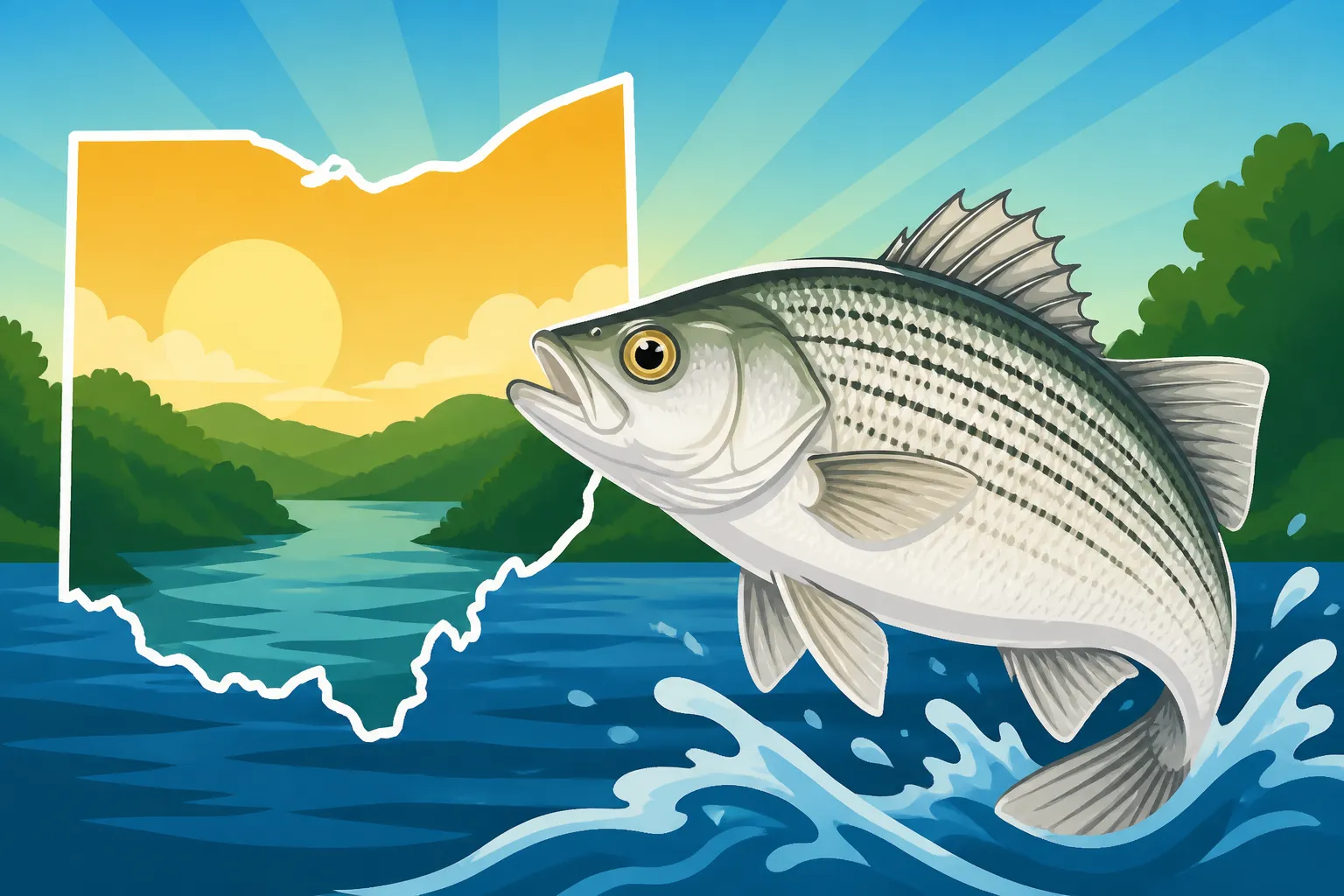
- White Bass: They typically have 5-7 dark, prominent horizontal stripes along their silver-white body. Crucially, only one of these stripes extends all the way to the tail. The stripes below the lateral line are usually faint or broken. Their body shape is generally deeper and more compressed than a hybrid striper.
- Hybrid Striped Bass (Wipers): These are a cross between a striped bass and a white bass. They have a more streamlined, elongated body than a pure white bass. Their stripes are typically broken or discontinuous, especially below the lateral line, and multiple stripes will extend all the way to the tail. The stripes also tend to be darker and more pronounced than on a white bass. This Difference Between White Bass and Hybrid Striper is important to note, as regulations can sometimes vary.
- Striped Bass: While rare in most Ohio inland waters, true striped bass are much more elongated and have continuous, unbroken stripes that extend to the tail. They also tend to grow significantly larger than either white bass or wipers.
By paying close attention to these stripe patterns and body shapes, you'll be able to confidently identify your catch. If you're ever in doubt, a quick check of an identification guide (many are available online or via fishing apps, or even on the back of your Ohio fishing license pamphlet) can help clarify things. Knowing what you've caught adds to the enjoyment and helps ensure you're fishing within the rules.
White bass fishing in Ohio is an absolute blast, offering fast-paced action and a chance to truly connect with the rhythms of the water. Whether you're standing shoulder-to-shoulder with fellow anglers on the banks of the Maumee during the legendary spring run or slowly trolling a vast reservoir in search of summer schools, these feisty fish provide an exciting challenge and delicious rewards. Don't be afraid to explore new spots and techniques, and remember to check current fishing reports to find out exactly Do White Bass Run Up Ohio Rivers in Spring? and where the action is hottest.
Disclaimer
This article is for general informational purposes only and does not constitute professional advice. Laws, prices and regulations vary by location and change over time. Consult a qualified professional for guidance on your specific situation.