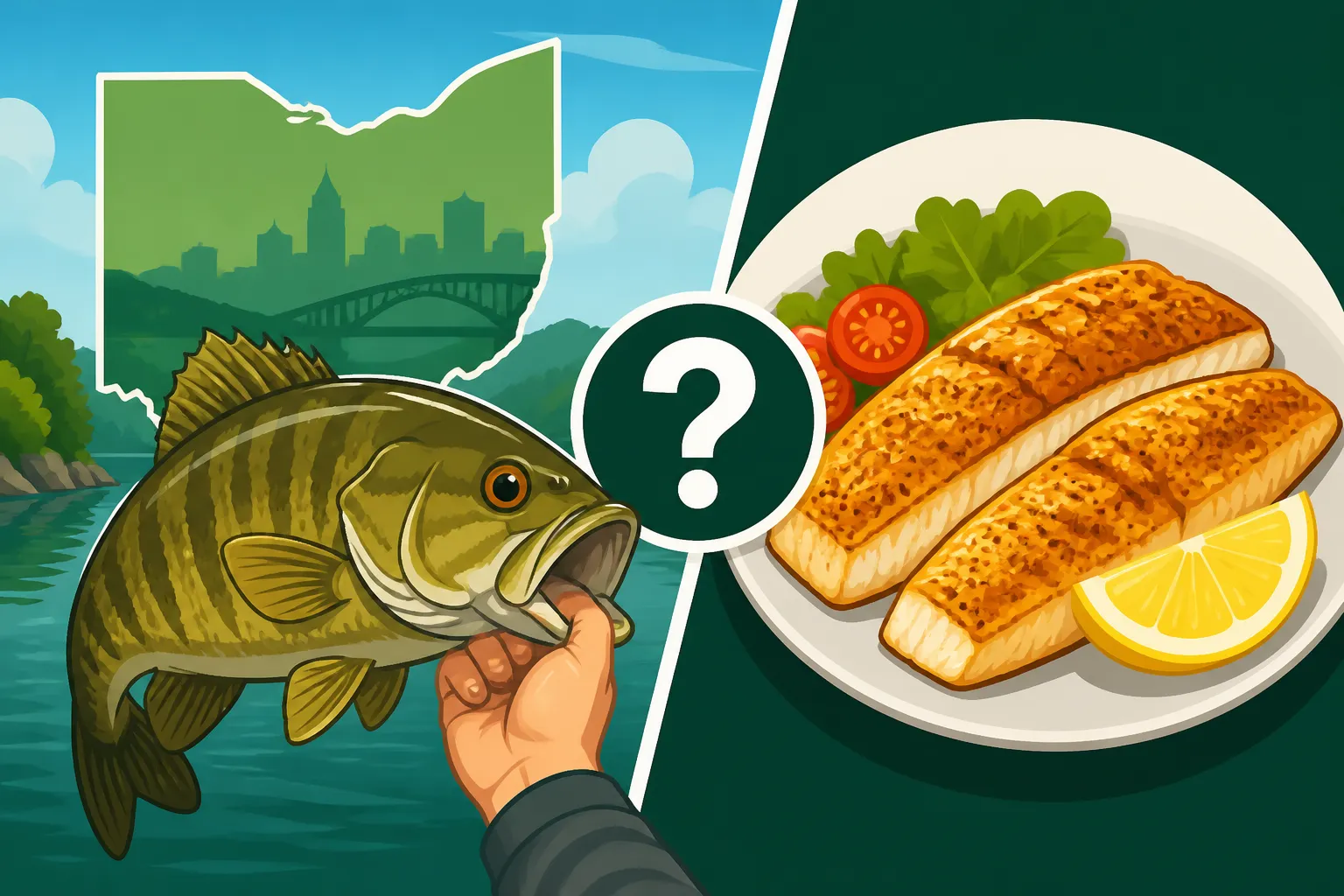
Is Smallmouth Bass Good to Eat?
It’s a question many Ohio anglers ponder after landing a beautiful smallmouth bass: "Is this fish actually good to eat, or should I just admire its fighting spirit and release it?" You've heard tales about their hard-hitting fights and acrobatic jumps, but when it comes to the dinner table, opinions can vary. This guide will dive deep into the culinary appeal of smallmouth bass, offering practical advice on everything from taste and texture to proper preparation and responsible harvesting, so you can decide for yourself.
The Culinary Verdict on Smallmouth Bass: Flavor, Texture, and What to Expect
For many anglers, the smallmouth bass is a prized sport fish, known more for its tenacious fight than its table fare. However, I'm here to tell you that these bronzebacks are actually quite delicious when handled correctly. Don't let their reputation as fighters overshadow their potential as a fantastic meal. Think of them as a lean, wild protein, and you'll start to see their appeal.
A Clean, Mild Taste Profile
If you're worried about smallmouth tasting "fishy" or muddy, you can set those concerns aside. Generally, smallmouth bass possess a clean, mild flavor that is far less pronounced than some other freshwater species like certain catfish or carp. Many anglers describe the taste as subtly sweet, making it highly versatile for various culinary applications. The diet of a smallmouth, which often consists of crawfish, baitfish, and aquatic insects found in cleaner, rockier waters, contributes significantly to this desirable flavor profile. Unlike largemouth bass, which might sometimes pick up a slightly stronger, earthier taste from their often weedier, muddier habitats, smallmouth tend to live in environments that lend themselves to a cleaner-tasting fillet. This makes them an excellent choice even for those who are typically hesitant about eating freshwater fish.
The environment truly plays a starring role in the taste of any fish, and smallmouth are no exception. A smallmouth pulled from a cool, clear tributary of Lake Erie, for instance, might have an even crisper, more delicate flavor than one caught from a warmer, murkier inland reservoir. This isn't to say that all inland smallmouth taste bad; far from it! It simply highlights how local conditions can slightly influence the final culinary experience. The key takeaway here is that you shouldn't expect an overpowering flavor; instead, prepare for a pleasant, understated taste that takes well to seasoning.
Firm, Flaky, and Lean Flesh
Beyond flavor, the texture of smallmouth bass is another major selling point. Their flesh is typically firm, white, and flakes beautifully once cooked. It's not mushy or overly soft like some other fish, holding its structure well whether you're pan-frying, baking, or grilling. This firm texture is a direct result of their active, predatory lifestyle and the often colder, oxygen-rich waters they inhabit. Imagine the muscle development needed for those incredible aerial acrobatics during a fight – that translates directly into dense, quality meat.
The lean nature of smallmouth bass meat means it's relatively low in fat, which contributes to its clean flavor and firm texture. While some fatty fish are celebrated for their rich, buttery qualities, the leanness of smallmouth means it won't feel heavy or greasy on the palate. This also means you'll want to be careful not to overcook it, as lean fish can dry out quickly. Its flakiness, however, makes it wonderfully tender when cooked just right. It's a satisfying bite that doesn't fall apart easily on your fork, yet melts in your mouth. This textural quality makes it suitable for anything from delicate fish tacos to a hearty fish sandwich.
How Smallmouth Compare to Other Popular Ohio Game Fish
When considering smallmouth bass for dinner, it's natural to compare them to other popular species you might catch in Ohio. Many anglers often rank them highly, often alongside or just below the revered walleye and yellow perch.
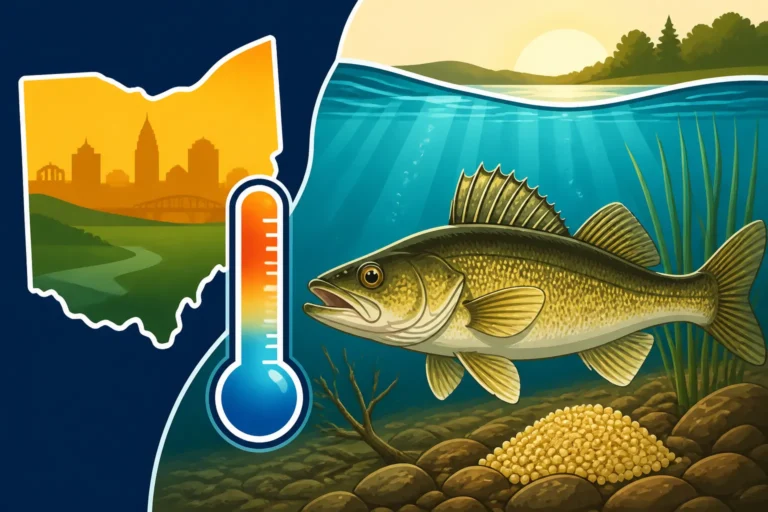
- Walleye: Often considered the gold standard for table fare in Ohio, particularly from Lake Erie, walleye are known for their incredibly mild, sweet, and flaky white meat. Smallmouth bass share many of these characteristics but might have a slightly firmer texture than walleye. If you love walleye, you'll almost certainly enjoy smallmouth. They occupy a similar culinary niche in terms of taste and texture, making them a fantastic substitute if you've had a day where the walleye just weren't biting. Ohio Walleye Fishing Guide offers more on this prized fish.
- Yellow Perch: Another Lake Erie favorite, yellow perch also boast white, flaky, and delicious meat, though their fillets are much smaller. Smallmouth offer a similar delicate flavor, but with larger, more substantial fillets, making meal prep a bit easier. The consistency and flavor are very comparable, especially when both are caught from clean, cold waters. If you're looking to upgrade from the smaller perch fillets but want a similar experience, smallmouth are a great option.
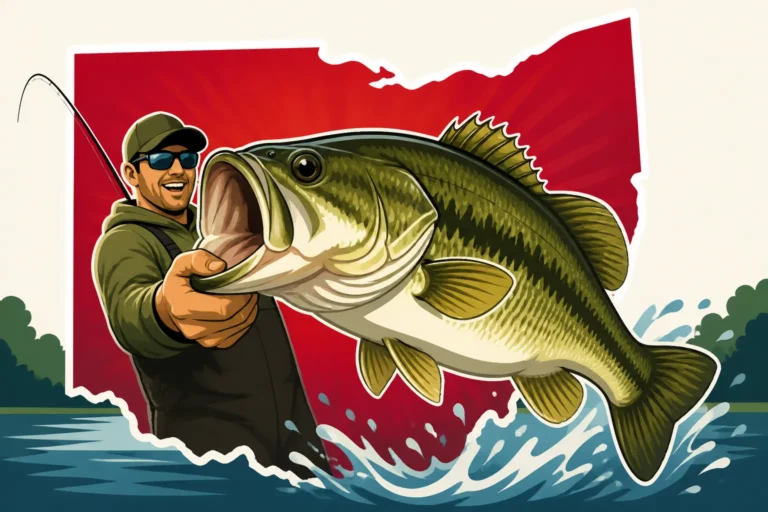
- Largemouth Bass: While often grouped together, smallmouth generally get the nod over largemouth bass when it comes to table quality. Largemouth can sometimes have a slightly stronger, earthier, or "muddy" taste, especially if caught from warm, weedy ponds or lakes with poor water quality. Their flesh can also be a bit softer. Smallmouth, with their preference for clearer, rockier, cooler water, tend to have a consistently cleaner, firmer fillet. However, a largemouth from pristine waters can still be very good. Ohio Largemouth Bass Fishing Guide details where to find these fish.
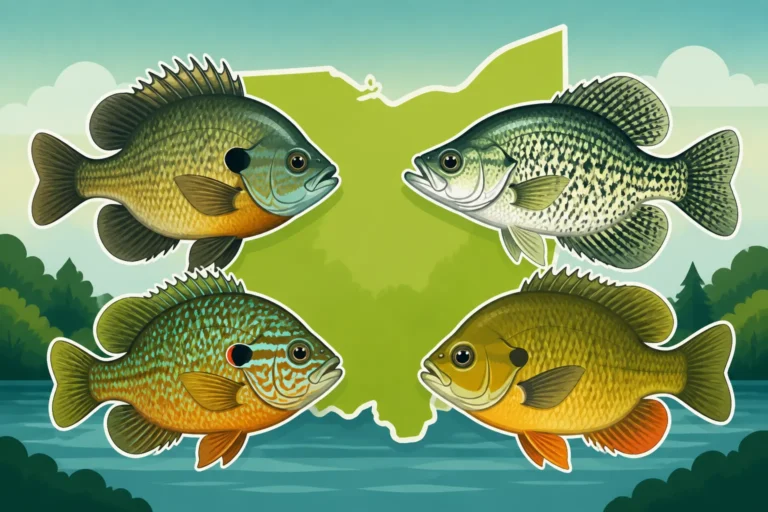
- Crappie and Panfish: Crappie, bluegill, and other panfish are beloved for their sweet, flaky white meat. Smallmouth bass share this sweetness and flakiness but offer much larger fillets, making them more substantial for a main course. They can be prepared in similar ways, offering a gourmet version of your favorite panfish recipe. For more on these delicious smaller species, check out Ohio Crappie Fishing Guide.
Ultimately, the smallmouth bass holds its own among the top table fare in Ohio. It's a fish you can be proud to bring home and serve, offering a culinary experience that rivals some of the state's most sought-after species.
Maximizing Flavor: Best Practices from Catch to Kitchen
The difference between a "good" tasting fish and an "amazing" tasting fish often comes down to what happens immediately after it's caught. Smallmouth bass are no exception. Proper care from the moment it leaves the water until it hits your plate will ensure you get the best possible flavor and texture.
Proper Field Care for Peak Freshness
The moment a fish is caught, its quality for eating begins to degrade. The most crucial step to ensure a delicious smallmouth bass is to practice excellent field care. This means getting the fish cold as quickly as possible and, ideally, bleeding it.
First, bleeding the fish is a game-changer. This process removes blood from the flesh, which can contribute to a "fishy" taste if left in. To bleed a smallmouth, simply make a quick, clean cut across the gills or sever the artery just behind the gills. Then, place the fish head-down in a bucket of ice water to allow the blood to drain. You’ll notice the water turning red. Once the bleeding stops (usually after a few minutes), the flesh will be noticeably whiter. This step, while sometimes overlooked, can significantly improve the taste and appearance of your fillets.
Second, getting the fish on ice immediately is non-negotiable. A cooler packed with plenty of ice is your best friend. Don't just toss them in an empty bucket; they need to be submerged in ice to quickly bring their core temperature down. This slows bacterial growth and prevents spoilage, preserving that fresh, clean flavor. If you're on a multi-day trip, consider bringing extra ice or a high-quality cooler designed for long-term cold storage. Items like the RTIC or Yeti coolers available on Amazon can keep ice for days, which is essential for preserving your catch on longer excursions. Always aim for a solid ice-to-fish ratio to ensure thorough chilling.
The Art of Filleting Smallmouth Bass
Filleting a smallmouth bass is a straightforward process, much like filleting a largemouth or crappie. Their bone structure is quite manageable, and you won't typically encounter the tricky Y-bones that some northern pike or suckers possess.
Start by laying the fish on its side on a clean, stable cutting board. Make a cut behind the pectoral fin, angling slightly forward towards the head until you hit the backbone. Then, turn your knife blade flat and run it along the backbone towards the tail, separating the fillet from the rib cage. Once one side is done, flip the fish over and repeat the process for the second fillet. You can then carefully cut the rib bones out of the fillet by laying the fillet skin-side down and making a shallow, curved cut around the rib cage.
The skin of a smallmouth bass is edible, but many prefer to remove it, as it can be a bit tough and sometimes retain a stronger flavor. To skin a fillet, lay it skin-side down on the board, hold the tail end firmly with your non-dominant hand, and slide your fillet knife (a sharp, flexible blade found readily on Amazon is key here) between the skin and the flesh, working your way towards the head. Keep the knife blade slightly angled down towards the skin to maximize the meat yield. You'll be left with a beautiful, boneless, skinless fillet ready for cooking. For those new to the process, there are many excellent instructional videos online that can guide you step-by-step.
Common Mistakes to Avoid When Preparing Smallmouth
Even after excellent field care, mistakes in preparation can diminish your smallmouth bass experience. Being aware of these pitfalls can help ensure a delicious meal every time.
One common mistake is not chilling the fish enough before filleting. While you've iced them, letting the whole fish sit in the cooler for a few hours (or even overnight) can make filleting easier and the meat firmer. A cold fish is easier to handle, and the flesh will be less likely to tear.
Another significant error is overcooking. Smallmouth bass are lean, white fish, which means they cook quickly. Overcooking will dry out the delicate flesh, turning it tough and unappetizing. Aim for an internal temperature of around 145°F (63°C) or until the flesh becomes opaque and flakes easily with a fork. It’s better to slightly undercook and finish it off the heat than to overcook it. Consider using a meat thermometer, readily available on Amazon, to ensure perfect doneness.
Finally, skipping the seasoning is a missed opportunity. While smallmouth bass has a great natural flavor, it's also mild, meaning it's a blank canvas for your favorite herbs and spices. Don't be afraid to experiment! Simple salt, pepper, and a squeeze of lemon are often all you need, but Cajun spices, dill, garlic, or even a light breading can elevate the dish significantly. A lack of seasoning can leave the fish tasting bland, even if it's perfectly cooked and fresh.
Cooking Your Smallmouth Catch: Simple & Delicious Methods
Now that you've got those beautiful, clean smallmouth fillets, it's time to turn them into a culinary masterpiece. The versatility of smallmouth bass means you have a wide range of cooking options, from quick and easy to more elaborate preparations.
Classic Pan-Frying and Baking Techniques
For many, the go-to methods for cooking freshwater fish are pan-frying and baking, and smallmouth bass shines in both. These techniques are relatively simple and do an excellent job of highlighting the fish's natural flavor and firm texture.
Pan-frying is perhaps the most popular method for smaller fillets. It creates a crispy exterior while keeping the inside moist and flaky. Start by patting your fillets dry with paper towels – this is crucial for getting a good sear. You can then season them simply with salt, pepper, and maybe a little garlic powder or a fish-specific seasoning blend. For extra crispness, a light dredge in seasoned flour, cornmeal, or a panko breadcrumb mixture works wonders. Heat a skillet (cast iron works great!) over medium-high heat with a tablespoon or two of butter or a high smoke point oil like canola or grapeseed. Once hot, carefully place the fillets in the pan, ensuring not to overcrowd it. Cook for about 3-5 minutes per side, depending on thickness, until golden brown and cooked through. The key is to get that beautiful crust without overcooking the interior. Serve immediately with a wedge of lemon.
Baking offers a hands-off approach that’s perfect for larger fillets or when you want a healthier option with less oil. Preheat your oven to around 375-400°F (190-200°C). Place the seasoned fillets in a lightly oiled baking dish. You can add a pat of butter, a drizzle of olive oil, lemon slices, fresh herbs like dill or parsley, or even a splash of white wine to the dish before baking. Bake for 10-15 minutes, again depending on thickness, until the fish flakes easily. This method keeps the fish incredibly moist and allows the natural flavors to come through. It’s also fantastic for cooking multiple fillets at once, making it ideal for family meals after a successful trip out on one of Ohio's Best Ohio Lakes for Bass Fishing.
Grilling and Blackening for Robust Flavors
If you enjoy a more robust flavor or the char of an outdoor cook, grilling and blackening are fantastic ways to prepare smallmouth bass. These methods infuse the fish with delicious smoky notes or a bold, spicy crust.
Grilling smallmouth fillets can be a delightful experience, especially in warmer weather. Due to their lean nature and flakiness, it's best to use a grill basket or place them directly on well-oiled grill grates over medium-high heat. You can also skewer chunks of smallmouth for fish kebabs. Marinate the fillets for 20-30 minutes in a light marinade (lemon juice, olive oil, garlic, and herbs work well) to add moisture and flavor, but don't over-marinate delicate fish. Cook for 3-4 minutes per side, just until grill marks appear and the fish is opaque. The smoky flavor from the grill complements the mildness of the smallmouth beautifully.
Blackening is a technique that creates a wonderfully spicy, crusty exterior while keeping the inside tender and juicy. This method requires a very hot cast-iron skillet, ideally outdoors due to the smoke. Dredge your dry fillets generously in a specialized blackening seasoning (Cajun spice blends are perfect for this) that often includes paprika, cayenne pepper, garlic powder, onion powder, and thyme. Melt a tablespoon of unsalted butter in the super-hot skillet until it just starts to brown. Carefully place the seasoned fillet in the pan and cook for 1-2 minutes per side until a dark, crusty "bark" forms. The high heat seals in the juices and creates an incredible texture and flavor contrast. Be prepared for smoke, but the results are absolutely worth it.
Pairing Smallmouth Bass with Sides and Seasonings
Smallmouth bass is incredibly versatile, so don't hesitate to experiment with different flavor combinations. Given its mild profile, it pairs well with a variety of seasonings and side dishes.
For simple seasonings, a classic lemon-pepper blend, Old Bay seasoning, or a sprinkle of fresh dill, parsley, or chives will enhance its natural taste without overpowering it. If you're feeling adventurous, try a touch of smoked paprika for depth, or a pinch of red pepper flakes for a subtle kick. A squeeze of fresh lemon or lime juice just before serving is almost always a good idea, as the acidity brightens the flavor.
When it comes to sides, think about complements that won't compete with the fish. Roasted vegetables like asparagus, broccoli, or bell peppers are excellent choices. A light rice pilaf, quinoa, or couscous can provide a satisfying base. For something heartier, a simple potato salad or roasted potatoes can be delicious. And, of course, a fresh green salad with a light vinaigrette always works. If you're making fish tacos, don't forget your favorite salsa, shredded cabbage, and a creamy sauce. The beauty of smallmouth is its adaptability, allowing you to create meals that range from light and healthy to rich and comforting.
Responsible Angling: Limits, Conservation, and Ethical Harvesting
While smallmouth bass are indeed delicious, it's paramount that we, as anglers, practice responsible harvesting. Ensuring the sustainability of this incredible fishery means understanding and adhering to Ohio's regulations and considering the broader impact of our actions.
Navigating Ohio's Smallmouth Bass Regulations
Ohio has specific rules in place to manage its smallmouth bass populations, ensuring that these hard-fighting fish continue to thrive for future generations. These regulations cover everything from daily bag limits to minimum length requirements, and they can vary depending on the body of water. For instance, regulations for Lake Erie and its tributaries might differ from those for inland lakes and rivers.
It’s your responsibility to know the current rules before you even cast a line. The Ohio Department of Natural Resources (ODNR) publishes a fishing regulations booklet each year that outlines all the specifics, including Ohio Largemouth and Smallmouth Bass Minimum Length Limit and Ohio Bass Daily Limit on Inland Lakes. These can often be found at bait shops, sporting goods stores, or downloaded directly from the ODNR website. Ignoring these rules can not only lead to fines and penalties (check out Wildlife Officer Violation Fines in Ohio for more on this) but, more importantly, can harm the fishery. Always measure your fish carefully and release any that don't meet the legal size requirements. Remember, those smaller fish are the future of the sport.
| Parameter | Inland Lake/River General Rule (Example) | Lake Erie General Rule (Example) |
|---|---|---|
| Minimum Length | Often 12 inches (varies by water) | Often 14 inches (varies by zone) |
| Daily Bag Limit | Usually 4 or 6 (varies by water) | Usually 4 or 6 (varies by zone) |
| Season | Typically open year-round | Typically open year-round |
Note: These are general examples. Always consult the current Ohio fishing regulations booklet for exact, up-to-date information for your specific fishing location.
The Importance of Selective Harvest and Catch-and-Release
Even when you're within the legal limits, practicing selective harvest is a thoughtful approach to fishing. This means choosing which fish to keep and which to release, rather than simply keeping every legal fish you catch. For many species, including smallmouth bass, releasing the largest "trophy" fish can be beneficial for the population. These larger, older fish are often the most successful spawners, contributing significantly to the genetic strength and overall health of the fishery. Catching and releasing these giants, perhaps after a quick photo, helps ensure a robust population. For tips on how to handle fish for release, see Best Way to Handle and Release an Ohio Muskie (principles apply to bass too).
Conversely, harvesting some of the smaller, legal-sized fish can sometimes benefit a fishery by thinning out dense populations, allowing remaining fish to grow larger and healthier. It's a balance. The "middle-of-the-road" fish, those that are legal but not necessarily the largest breeders, are often ideal for the dinner table. They're still excellent eating and you're helping manage the fishery by removing some pressure from the largest specimens. Understanding What Smallmouth Bass Eat in Ohio Lakes can also give you insight into their place in the ecosystem.
Ensuring a Sustainable Fishery for Future Generations
Ultimately, enjoying smallmouth bass for dinner is part of the overall fishing experience, but it comes with a responsibility to protect the resource. By being informed about Ohio Fishing Regulations Every Angler Should Know, practicing ethical angling techniques, and making conscious decisions about what you keep, you contribute to the sustainability of Ohio's waterways. This isn't just about following rules; it's about being a good steward of the environment and ensuring that our children and grandchildren can experience the thrill of catching (and maybe eating) a beautiful Ohio smallmouth bass. So go ahead, enjoy your catch, but do so with respect for the fish and its habitat.
Disclaimer
This article is for general informational purposes only and does not constitute professional advice. Laws, prices and regulations vary by location and change over time. Consult a qualified professional for guidance on your specific situation.