Yellow Perch Identification and Habits
Have you ever been out on the water, pulled up a beautiful fish, and then paused, squinting, trying to figure out exactly what it was? Or maybe you've heard seasoned anglers talk about "perch," but wondered what specific traits make a yellow perch stand out, not just in looks, but in how they live and behave? It can be incredibly frustrating to target a species when you're not entirely sure what you're looking for, or how their daily habits influence where they might be hiding. This guide is here to unravel the mysteries of Ohio's beloved yellow perch, helping you confidently identify them and understand their typical habits, so you can become a more successful and knowledgeable angler.
The Basics of Ohio Yellow Perch
Let's dive right into what makes a yellow perch, well, a yellow perch. These aren't just any panfish; they're iconic throughout Ohio, especially on Lake Erie. Understanding their distinct features is your first step to recognizing them instantly and appreciating their unique place in our waters.
What Makes a Yellow Perch Yellow? Physical Characteristics
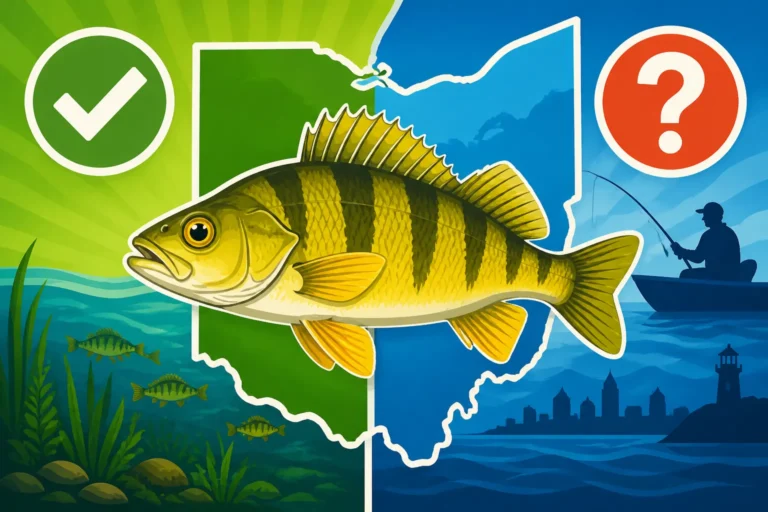
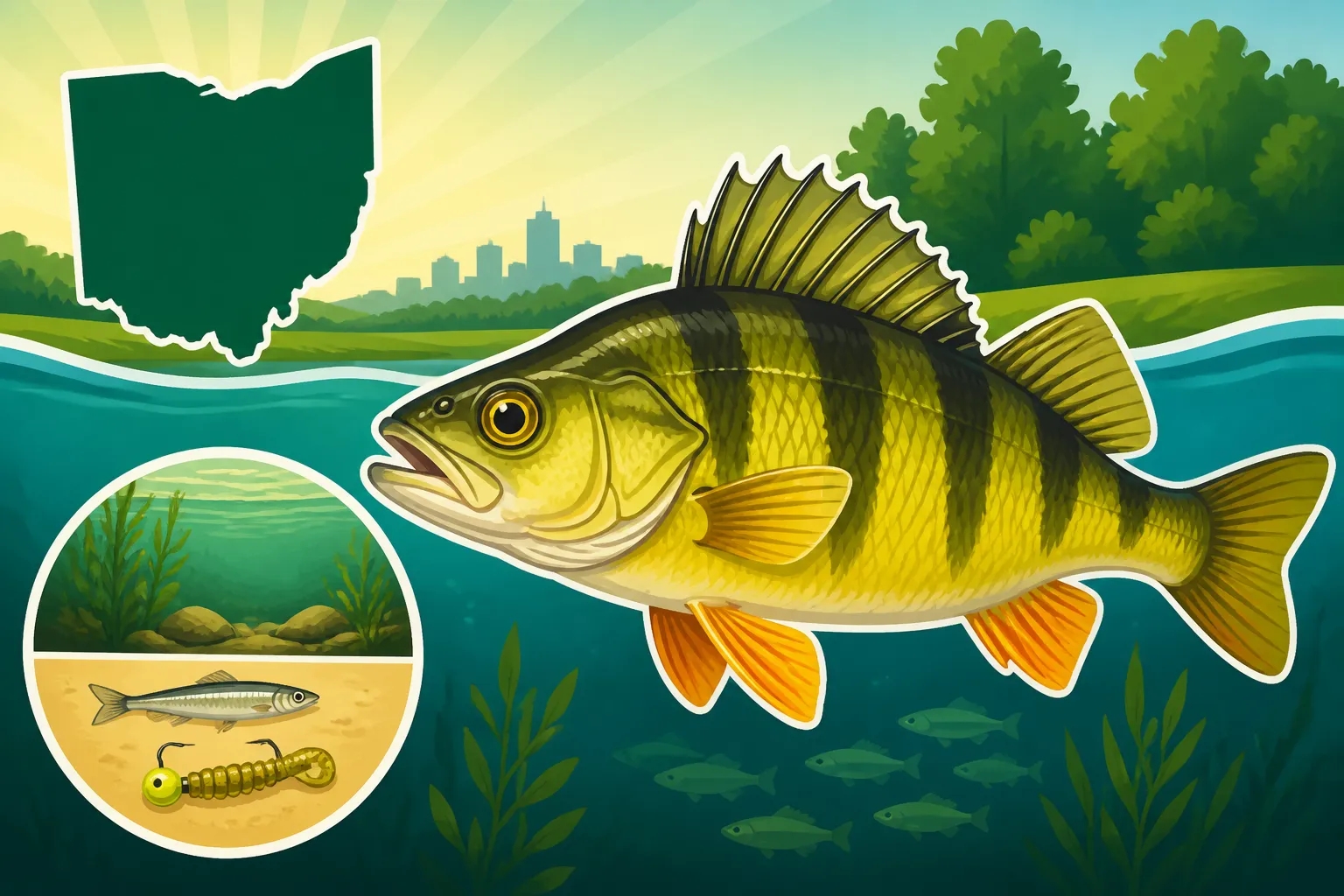
When you pull a yellow perch out of the water, its name isn't just a suggestion—it's usually a pretty accurate description of its overall hue! They typically boast a beautiful brassy, golden-yellow body, often leaning towards a greenish-yellow on their back, fading to a lighter, sometimes white, belly. But it's more than just the color that gives them away. The most striking characteristic is the series of 6 to 8 dark, vertical bars that run down their sides, almost like tiger stripes. These bars are usually wider at the top and narrow as they approach the belly.
Beyond their vibrant coloration and distinctive stripes, take a closer look at their fins. The two dorsal fins are separate; the first one is spiny, standing tall, while the second is softer and closer to the tail. Their anal fin, located underneath, often has a reddish or orange tint, especially in males during spawning season, adding another splash of color to their already striking appearance. They have a moderately compressed body, meaning they're a bit flattened on the sides, and a pointed snout with a mouth that extends to about the middle of their eye. Their scales feel rough to the touch, which is another telltale sign. You'll find a good reference on their overall characteristics in our Ohio Yellow Perch Fishing Guide.
Telling Yellow Perch Apart from Lookalikes
Ohio waters are teeming with various fish, and sometimes, a quick glance might have you mistaking a yellow perch for something else. It's a common struggle, especially with certain panfish or even juvenile walleye, which share some superficial resemblances. The trick is to focus on those key identification markers.
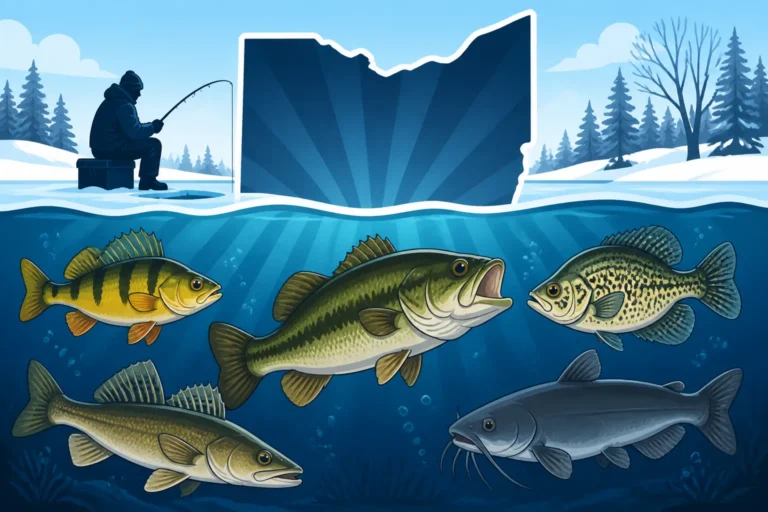
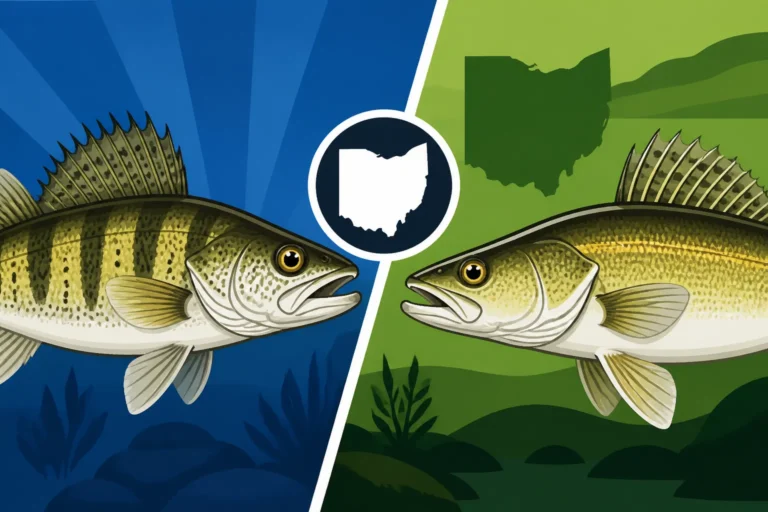
One common mix-up can be with white perch, especially for newer anglers. However, white perch are typically silvery-white, lacking the vibrant yellow color and, crucially, those distinct vertical bars. Their body shape is also generally deeper and more robust. Crappie, another popular panfish, also have a compressed body, but they're usually silver-green or black, with irregular speckles or blotches instead of clear vertical bars, and their dorsal fin is typically one continuous structure. Sometimes, a very small walleye or saugeye might be confused, but their bodies are more elongated, their teeth are much more pronounced, and they lack the strong vertical barring of a yellow perch. If you're ever unsure, count those bars and check for the yellowish hue – those are your best friends in identification.
Where Yellow Perch Call Home in Ohio
Understanding where yellow perch like to hang out is paramount to finding them. They aren't just swimming aimlessly; they have preferred neighborhoods and specific migration patterns that can change with the seasons. Getting a handle on their preferred habitats and movements will put you miles ahead in your fishing endeavors.
Preferred Habitats and Structures
Yellow perch are incredibly adaptable, but they definitely have their favorite spots. In Ohio, the undisputed capital of yellow perch fishing is Lake Erie, where they thrive in both the vast open waters and nearshore structures. They particularly love the western and central basins of Lake Erie, where they can be found congregating around areas with significant weed beds, submerged vegetation, rock piles, and distinct drop-offs. These areas provide both cover from predators and ample feeding opportunities.
Beyond Lake Erie, you'll find healthy populations in many of Ohio's inland lakes and larger reservoirs like Hoover Reservoir, Alum Creek Lake, and Mosquito Creek Lake. Here, they often stick to depths ranging from 10 to 30 feet, favoring areas where the bottom transitions from soft mud to gravel, or where there are standing timber and brush piles. Structure is key for perch, whether it's natural vegetation or man-made features. They're often found hugging the bottom, especially during the day, looking for cooler water and security.
Seasonal Movements and Depths
Yellow perch are true creatures of the seasons, and their movements dictate where you'll find them throughout the year. As the water warms in spring, typically in April and May, perch move into shallower areas, often less than 15 feet deep, to spawn. They'll seek out bays, coves, and areas with submerged vegetation or woody debris. This is a prime time for shore anglers to target them.
As summer progresses and water temperatures rise, yellow perch tend to retreat to deeper, cooler waters, often congregating near the thermocline (the boundary between warmer surface water and colder deep water) if one is present. On Lake Erie, this might mean moving offshore to deeper reefs or mud flats. In inland lakes, they'll still relate to structure but at greater depths, sometimes 20-40 feet or more. Come fall, as temperatures begin to drop, they’ll start moving back into shallower feeding grounds, often becoming very aggressive as they fatten up for winter. And when winter arrives, they are a favorite target for ice anglers, typically found over deeper flats or near main lake points. For more on seasonal changes, check out Best Time of Year to Catch Yellow Perch on Lake Erie.
What's on a Yellow Perch's Menu? (Diet and Feeding Habits)
Just like us, yellow perch have their favorite meals, and understanding what they eat and how they feed is incredibly valuable for selecting the right bait and presentation. They're opportunistic eaters, and their diet changes as they grow and the seasons shift.
From Zooplankton to Minnows
The diet of a yellow perch evolves significantly from the time they hatch until they reach a good size. When they're tiny fry, yellow perch primarily feast on microscopic organisms like zooplankton, which are abundant in nutrient-rich waters. As they grow into juveniles, their diet expands to include a wider array of aquatic invertebrates, such as insect larvae, small crustaceans like scuds, and bloodworms. They're essentially little vacuum cleaners, sifting through the water and bottom.
Once yellow perch reach adult size, typically around 6-8 inches, they become much more predatory. Their diet shifts to include larger food sources, with small minnows and shiners becoming a primary target. They'll also readily consume crayfish, particularly smaller ones, and various other aquatic insects. This carnivorous phase makes them excellent targets for anglers using live bait or small artificial lures that mimic their natural prey. Their growth rates and what constitutes a "jumbo" perch are fascinating, and you can learn more about How Big Yellow Perch Get on Lake Erie and What Counts as a Jumbo Perch on Lake Erie.
Feeding Behavior and Best Bites
Yellow perch are renowned for their schooling behavior, and this significantly impacts how and when they feed. You rarely find just one perch; where there's one, there are usually many, all competing for food. They are primarily visual feeders, relying on their eyesight to hunt down prey. This means that factors like water clarity and light conditions can influence their bite. Generally, they tend to be most active during periods of low light, such as dawn and dusk, or on overcast days when bright sunlight isn't penetrating the water as intensely.
They're also known to exhibit a "crepuscular" feeding pattern, which simply means they're most active during twilight hours. However, they can be caught throughout the day, especially if you find a large, active school. When they're in a feeding frenzy, they can be incredibly aggressive, often biting multiple times if they miss the hook. They'll frequently suspend themselves just above the bottom, waiting to ambush unsuspecting prey that swims by. Their schooling instinct means that if you catch one, it's often a good idea to stay in that exact spot, because there are likely many more companions nearby.
The Circle of Life: Yellow Perch Spawning Behavior
The spawning ritual of yellow perch is a fascinating aspect of their life cycle and understanding it can give you a significant edge when planning your fishing trips. It dictates not only where they'll be but also their general behavior and aggressiveness.
When and Where Perch Spawn in Ohio
In Ohio, yellow perch typically begin their spawning ritual in early spring, usually from late March through May, depending heavily on water temperature. They prefer water temperatures to be in the range of 45-52 degrees Fahrenheit. This critical temperature window triggers their instinct to reproduce. They move into shallower waters, often less than 15 feet deep, seeking out specific types of habitat to lay their eggs.
Their preferred spawning grounds are usually areas rich in submerged vegetation, such as weed beds, or places with woody debris like fallen trees, brush piles, and even old docks. These structures provide essential anchor points for their unique egg masses, protecting them from strong currents and predators. In Lake Erie, you'll find them pushing into protected bays, harbors, and shallow shoreline areas. In inland lakes, they'll seek similar shallow, sheltered spots, often near feeder creeks or where snowmelt has warmed the water slightly. Knowing these general areas means you can target them effectively during this crucial time of year.
The Spawning Ritual and Egg Strands
The spawning ritual itself is quite unique for yellow perch. Unlike some fish that lay individual eggs or construct elaborate nests, female yellow perch release their eggs in distinctive, gelatinous, accordion-like strands. These translucent, ribbon-like masses can be quite long, sometimes several feet, and contain thousands of tiny eggs. The females typically drape these strands over submerged vegetation, branches, or other available structure, where they can remain aerated and somewhat protected.
After the eggs are laid and fertilized by the males, there's generally no parental care involved. The adult perch will typically move off, leaving the eggs to develop on their own. These egg masses are surprisingly durable and can cling to structure for weeks until the fry hatch. Understanding this helps explain why finding heavy cover in shallow water during early spring is so crucial for finding pre-spawn and spawning perch. You can delve deeper into this topic with Yellow Perch Spawning Behavior in Ohio.
Fishing for Yellow Perch: Tips Based on Their Habits
Now that we know how to identify yellow perch, where they live, what they eat, and how they reproduce, let's talk about putting that knowledge into action on the water. Fishing for perch can be incredibly rewarding, and a few strategic choices can really boost your success.
Best Baits and Lures for Ohio Yellow Perch
When it comes to tempting yellow perch, live bait is almost always a surefire winner. Small minnows, often called "perch minnows," are arguably the most effective bait, as they mimic one of their primary food sources. Hook them lightly through the lips or dorsal fin and present them on a small hook under a bobber or on a simple bottom rig. Worms, particularly pieces of nightcrawlers or redworms, are also incredibly effective, appealing to their natural bottom-feeding instincts. Even maggots or wax worms can be deadly, especially when ice fishing or when perch are finicky. You can often find a good selection of these live baits at local bait shops, or if you're looking for gear to keep them alive, Amazon has a wide array of bait buckets and aerators.
For artificial lures, think small and subtle. Tiny jigs, often 1/16 to 1/8 ounce, tipped with a small plastic grub or a piece of soft plastic bait, can be incredibly effective. Colors like chartreuse, white, pink, or natural browns and greens often work well. Blade baits, small spoons, and even tiny crankbaits can also draw strikes, especially when jigged near the bottom. The key is to match the hatch and present something that looks natural and appealing. For specific rigging ideas, check out Best Rig for Yellow Perch on Lake Erie.
Techniques for Landing More Perch
Fishing for yellow perch often involves a slower, more methodical approach. One of the most common and effective techniques is still fishing. This simply means presenting your bait and waiting for the bite. This can be done from shore, a dock, or anchored boat, using a slip bobber rig or a simple bottom-fishing setup. For those fishing from a boat, drift fishing is another highly productive method, particularly on Lake Erie. By allowing your boat to slowly drift with the wind or current, you cover a wider area, presenting your bait to more fish. This can be especially good when trying to locate schools over large flats. We have a whole article dedicated to Drift Fishing for Lake Erie Yellow Perch.
Jigging is also a fantastic technique, especially when you've located a school. Whether from a boat or through the ice, vertical jigging a small lure or baited hook can trigger aggressive strikes. The key is to use a sensitive rod that allows you to feel the often subtle "thump" of a perch bite. Keep your eye on your fish finder if you have one; it's invaluable for locating those dense schools of perch, whether they're hugging the bottom or suspended slightly higher in the water column.
Protecting Our Perch Populations
As responsible anglers, it's our duty to not only enjoy the fantastic fishing opportunities Ohio provides but also to ensure these populations remain healthy for future generations. That means respecting regulations and practicing sustainable habits.
Importance of Regulations
Ohio's Division of Wildlife has specific regulations in place to help manage our yellow perch populations, and these are especially critical for Lake Erie. You might notice that bag limits and sometimes even zone limits can vary, which can be a bit confusing if you're not paying attention. For instance, Lake Erie Yellow Perch Zone Limits are a real thing, and they influence how many fish you can keep depending on which part of the lake you're fishing. It's not uncommon to see different daily bag limits for the western, central, and eastern basins.
It’s crucial to know your limits for the specific area you're fishing. For example, there are distinct rules for Lake Erie Yellow Perch Daily Limit in the West Zone, Lake Erie Yellow Perch Daily Limit in the Central Zone, and Lake Erie Yellow Perch Daily Limit in the East Zone. These regulations are based on scientific data and are designed to prevent overfishing and maintain a healthy ecosystem. Taking the time to understand Why Lake Erie Yellow Perch Has Three Different Bag Limits will not only keep you compliant but also help you appreciate the thought that goes into conserving this valuable resource. Before every trip, it's a good habit to check the current regulations; a quick search online for the Ohio fishing regulations booklet will keep you informed.
Catch and Release and Sustainable Practices
While yellow perch are undeniably delicious table fare, practicing responsible catch and release, especially for larger breeding fish, is an excellent way to contribute to sustainable fishing. If you're planning to release a fish, handle it gently and minimize its time out of the water. Wet your hands before touching the fish to protect its protective slime coat, which is crucial for preventing disease. Use tools like a de-hooker to remove hooks quickly and efficiently, especially if the fish has swallowed the bait.
Consider using appropriate gear that minimizes harm. Barbless hooks can make release much easier, and a proper landing net can reduce stress on the fish. While you might be tempted to load up on every fish in a school, consider only keeping what you'll reasonably eat. This mindful approach ensures that plenty of yellow perch remain in our waters to reproduce and provide enjoyment for countless anglers to come. Stocking up on a quality fishing net from a retailer like Amazon or your local tackle shop can go a long way in ensuring a healthy release.
Disclaimer
This article is for general informational purposes only and does not constitute professional advice. Laws, prices and regulations vary by location and change over time. Consult a qualified professional for guidance on your specific situation.