Catfish Feeding Patterns at Night
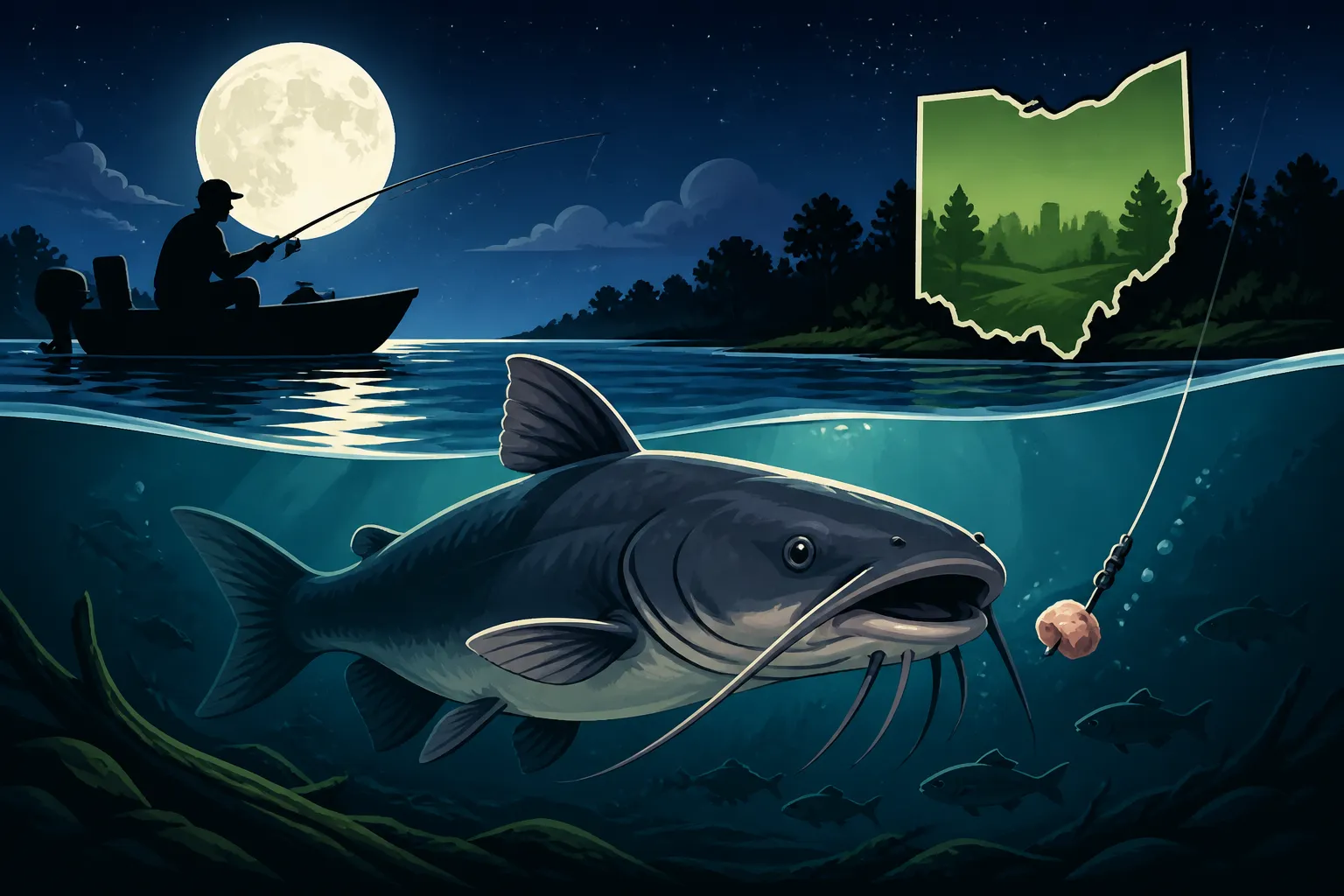
There's nothing quite as frustrating as spending a beautiful Ohio afternoon on the water, only to have the catfish ignore your perfectly presented bait. Many anglers throw in the towel when the sun dips below the horizon, but for those in the know, that's precisely when the real action begins for whiskered giants. This comprehensive guide is dedicated to unraveling the mysteries of catfish feeding patterns at night in Ohio, helping you understand their nocturnal habits and drastically improve your chances of a bent rod under the stars.
Why Catfish Become Nocturnal Hunters
It might seem counterintuitive to fish in the dark, but for many species of catfish in Ohio, nighttime isn't just a preference—it's a biological imperative. Channel cats, flatheads, and even blue cats often shift their primary feeding activity to the twilight and darkest hours, and understanding why they do this is the first step to becoming a more successful night angler.
The Low-Light Advantage
Imagine trying to hunt in broad daylight when your primary senses are smell and touch, not sight. That's a bit like a catfish in the middle of a sunny day. Their eyesight, while capable, isn't their strongest asset. Instead, they rely heavily on their barbels, lateral line, and keen sense of smell to navigate and locate food. In low light or complete darkness, this plays directly into their strengths. With the visual cues diminished for many of their prey items, catfish can use their superior chemoreception and mechanoreception to detect struggling baitfish, crayfish scuttling on the bottom, or the scent of decaying organic matter wafting through the water. It’s their secret weapon, giving them a significant predatory edge.
Think about how challenging it can be to spot subtle movements in murky water during the day. Now imagine how much harder it is for a small shad or a bluegill to spot an incoming catfish when the light is barely there. The catfish, with its highly sensitive whiskers, can "feel" the disturbance of a baitfish long before it sees it. This gives them the confidence to move into more open areas and actively forage, rather than remaining tucked away in deeper, darker holes. This low-light environment levels the playing field, making the catfish a far more efficient and aggressive predator.
Cooler Water Temperatures
Summer in Ohio can be brutal, not just for us, but for fish too. As the sun beats down on our lakes and rivers, water temperatures can climb, especially in shallower areas. For many fish species, including catfish, there’s an optimal temperature range for comfort and metabolism. When water temperatures get too high during the day, fish can become lethargic, seeking refuge in deeper, cooler water or dense cover. This metabolic slowdown means they're less likely to actively feed.
However, as evening arrives and the sun sets, the water temperature begins to drop. Even a few degrees can make a huge difference. These cooler nighttime temperatures energize catfish, making them more active and willing to expend energy in pursuit of a meal. You'll often find that the bite really picks up a few hours after sunset, continuing through the coolest parts of the night and into the early morning hours, particularly during the dog days of summer. This thermoregulatory advantage means catfish are simply more comfortable and physiologically primed to hunt when the air cools.
Reduced Pressure from Anglers
Let's be honest, most of us prefer to fish during the day. It's easier to see, more comfortable, and less hassle. This means that many prime fishing spots, especially those easily accessible from shore or by boat, see heavy angling pressure during daylight hours. Fish, including catfish, are smarter than we give them credit for. They learn quickly to associate boat noise, shadows, and the constant barrage of baits with danger. This can make them shy, cautious, and less likely to bite during the day.
When darkness falls, however, the vast majority of anglers pack up and head home. This sudden reduction in human activity and pressure creates a safer, more relaxed environment for catfish. They feel more secure moving into shallow feeding flats, cruising along shorelines, and exploring areas they might avoid during the day. It’s a chance for them to let their guard down and truly feast. This reduced pressure is a significant factor in why you might find catfish biting voraciously at night in spots that were dead silent just a few hours earlier. Embracing the night means you're often fishing unpressured waters, which can lead to some incredible catches.
Understanding the Catfish's Senses in the Dark
To truly master night fishing for catfish in Ohio, you need to think like a catfish. Their sensory world is incredibly different from ours, especially when the lights go out. They don't rely on sight as much as we do, instead, they employ a suite of specialized senses that make them formidable nocturnal predators.
The Power of Scent and Taste
If catfish had a superpower, it would be their sense of smell and taste. These senses are absolutely phenomenal, far exceeding that of most other freshwater fish. Their entire bodies are covered in taste buds, not just their mouths and barbels! This means they can literally "taste" chemicals in the water just by swimming through it. Their nostrils are also highly developed, capable of detecting minute concentrations of food particles from surprising distances.
This highly tuned chemoreception is why stinky, oily baits are so incredibly effective for night catfishing. When a catfish moves into a feeding area in the dark, it's not looking for food visually; it's following a scent trail. Think of a blood trail from a cut bait, the musky aroma of chicken livers, or the pungent funk of a prepared dough bait. These scents dissolve and spread through the water, creating an invisible pathway for the catfish to follow right to your hook. Understanding Best Baits for Ohio Catfish will highlight many of these scent-heavy options. This is also why having a fresh, potent bait is more crucial at night than ever before; tired, washed-out baits just won't cut it when the fish are relying solely on their noses.
Lateral Line and Vibration Detection
Beyond scent, catfish are masters of vibration detection. Running along each side of their body is a specialized organ called the lateral line. This system acts like a built-in sonar, detecting subtle pressure changes and vibrations in the water. It allows them to "feel" the presence and movement of other fish, obstacles, and even prey in complete darkness. A struggling baitfish, a crayfish scuttling across the bottom, or even the subtle thump of a bait hitting the water will send vibrations that a catfish can pick up.
At night, when visual cues are absent, the lateral line becomes critical for pinpointing prey. If you're using live bait, its natural movements are sending out distress signals that catfish can’t ignore. Even with cut bait, consider the gentle currents that might cause it to waft and twitch, creating subtle vibrations. Understanding how to present baits that move naturally or even impart a slight vibration can be a game-changer. This sense also helps catfish avoid predators and navigate complex underwater structures without bumping into them, making them efficient hunters even in the murkiest conditions.
Adapting Eyesight and Barbels
While scent and vibration are dominant, catfish eyesight isn't completely useless at night. Their eyes are adapted for low-light conditions, with a high concentration of rod cells that help them detect movement and differentiate shades of light in dim environments. They won't be spotting a tiny jig from across the lake, but they can certainly make out silhouettes and large forms when there's even a sliver of moonlight or starlight.
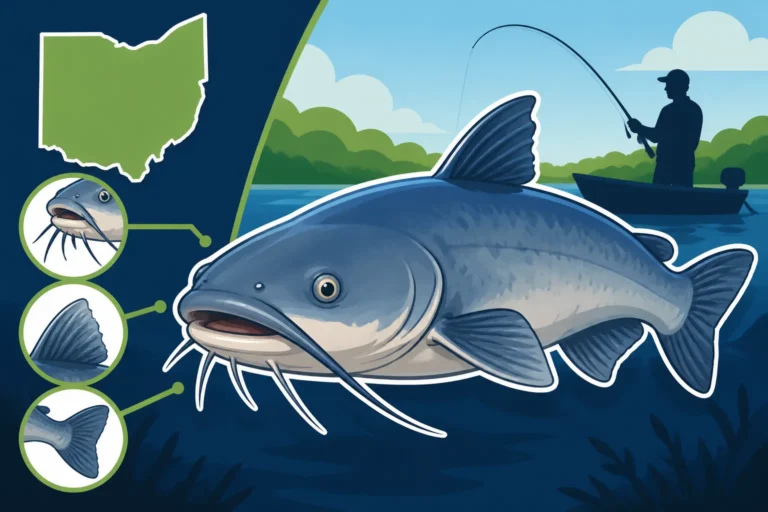
Perhaps even more important are their barbels – those prominent whiskers around their mouths. These aren't just for show; they are packed with chemoreceptors and touch receptors, acting as extensions of their taste and touch senses. As a catfish cruises along the bottom, its barbels are constantly sweeping the substrate, feeling for objects, and tasting for food. They're like miniature underwater metal detectors, constantly scanning for anything edible. This is especially true for bottom-feeding species like the flathead, which often use their barbels to explore crevices and undercuts where prey might be hiding. For this reason, presenting your bait directly on the bottom or slightly suspended just above it is often the most effective strategy for nocturnal catfish.
Prime Nighttime Feeding Zones in Ohio Waters
Knowing that catfish feed at night is one thing, but knowing where they feed is another. Ohio's diverse waterways, from the vast expanse of Lake Erie to the winding bends of the Ohio River and countless inland lakes, offer a variety of habitats. However, certain zones become hotspots for catfish once the sun goes down.
Current Seams and Eddies in Rivers
Rivers are dynamic environments, and catfish, especially channel and flathead catfish, are masters at using current to their advantage. During the day, they might hold in deeper, slower pools to conserve energy. But at night, these fish often move to current seams and eddies. A current seam is where fast-moving water meets slower water, creating a distinct "line" in the river. Baitfish and other prey often get disoriented or funneled along these seams.
Eddies are areas of slack water, often behind obstructions like submerged logs, boulders, or bridge pilings. These spots act as natural food traps, collecting dislodged insects, baitfish, and organic debris that the current sweeps along. Catfish will sit patiently at the edge of an eddy, or even right inside it, waiting for an easy meal to drift by. The Ohio River, with its extensive network of tributaries and man-made structures, offers countless such opportunities. Learning How to Anchor for Catfish on the Ohio River near these zones is crucial. Consider positioning your boat or casting from the bank so your bait drifts naturally along the seam or into the slack water of an eddy, presenting it as an irresistible, easy target for a waiting catfish.
Drop-offs and Structure in Lakes and Reservoirs
In the calmer waters of Ohio's lakes and reservoirs, catfish shift their focus to different features. Drop-offs, where shallow flats suddenly plunge into deeper water, are prime nocturnal highways. During the day, catfish might hold in the cool, deep water at the base of these drops. But come nightfall, they'll often cruise up the slope, patrolling the edges of the shallower flats for forage. These transition zones are rich in food, as baitfish and crustaceans move between shallow and deep water.
Submerged structures like old roadbeds, timber, rock piles, and artificial fish attractors also become highly active feeding grounds. These structures provide ambush points for catfish and also hold baitfish and other small creatures that catfish prey on. Think about areas where an old creek channel winds through a lake, or a stand of drowned trees still provides cover. Casting your bait to the edge of a drop-off or directly into heavy cover near structure can be incredibly effective. Consider using a heavy sinker to ensure your bait stays put amidst the structure, preventing it from drifting out of the strike zone. These deep water structures are key for larger fish like the Ohio Flathead Catfish Identification or the Ohio Blue Catfish Identification.
Shallow Flats and Inflow Areas
This might surprise some anglers, but shallow flats can be incredibly productive for night catfishing, especially in lakes and reservoirs. During the day, these areas are often too warm and exposed. However, at night, as water temperatures cool and predatory pressure from other fish (and humans!) decreases, catfish will move into these shallow zones to forage. Crayfish, minnows, and insect larvae are abundant in these areas, providing a buffet for hungry catfish. Look for flats adjacent to deeper water, allowing catfish easy access to safety when dawn approaches.
Inflow areas, such as where a creek or stream enters a larger lake or river, are also golden tickets. These inflows bring in cooler, oxygenated water and, more importantly, a constant supply of food. Washed-out insects, worms, and small baitfish are constantly being flushed into these areas. Catfish will stack up here, especially after a rain, to capitalize on the easy meal. Fishing near the mouth of a feeder creek after dark, particularly with natural baits like worms or cut bait, can lead to some incredible action. The added current in these areas helps disperse scent, making your bait even more appealing to passing catfish.
Best Baits and Rigs for Night Catfishing in Ohio
Choosing the right bait and presenting it effectively is paramount, especially when fishing in the dark. Catfish rely heavily on their senses of smell, taste, and vibration, so your offerings need to cater to these strengths.
Scent-Heavy Baits That Attract
When catfish are feeding by scent, you need a bait that broadcasts its presence. This is where the infamous "stink baits" and strong-smelling natural offerings shine.
- Cut Bait: This is king for many species, especially bigger flatheads and channel cats. Fresh oily fish like shad, skipjack herring, or even bluegill cut into chunks release potent oils and blood into the water. The fresher, the better! You want that strong, natural fish scent. Vary the size of your cuts; smaller pieces for channel cats, larger chunks or even whole baitfish for trophy flatheads. The key is to keep it fresh and potent.
- Chicken Livers: A classic for a reason, chicken livers are incredibly bloody and soft, releasing a strong scent trail. They are messy to work with, but catfish absolutely love them. They tend to fall off the hook easily, so consider using a bait holder hook or even wrapping them with a small piece of mesh or thread to keep them secure. Livers are particularly effective for channel catfish.
- Prepared Baits (Punch Baits, Dip Baits): These are commercially available concoctions designed specifically to have a super strong, often fermented or cheesy, smell. They come in tubs or jars and typically require a special bait sponge or treble hook to hold them. Brands like Berkley PowerBait or Catfish Charlie offer popular options. They are convenient and extremely effective, especially for channel catfish, as their powerful scent travels far in the dark. You can even find glow-in-the-dark versions on Amazon that add an extra visual attractant.
- Nightcrawlers/Worms: While not as "stinky" as cut bait or livers, a big wad of nightcrawlers still puts off a natural earthy scent and, more importantly, creates a lot of wiggling action that triggers a catfish's lateral line. They're a universal bait and can be very effective for channel catfish, especially after a rain when worms are naturally washed into the water.
| Bait Type | Primary Target Species | Key Advantage | Best Presentation (Night) |
|---|---|---|---|
| Cut Bait | Flathead, Blue, Channel Cat | Strong Scent, Oily | Bottom Rig, Large Chunks |
| Chicken Livers | Channel Catfish | Super Bloody, Pungent | Bait Holder Hook, Secured with Thread |
| Prepared Baits | Channel Catfish | Intense, Lasting Scent | Dip Worm, Sponge Hook |
| Nightcrawlers | Channel Catfish, Smaller Cat | Natural Movement & Scent | Bottom Rig, Floated Under Bobber |
| Live Baits | Flathead Catfish | Natural Vibration & Scent | Carolina Rig, Free-lined in Current |
Presenting Baits Effectively: Rigs for Night
The right rig ensures your bait stays where the fish are and that you get a solid hookset. For night catfishing, simplicity and durability are key.
- Carolina Rig (Santee Cooper Rig): This is a versatile bottom rig that excels in both rivers and lakes. It consists of an egg sinker (or flat sinker for current) on the main line, followed by a bead (to protect the knot), a swivel, and then a leader with your hook. The leader length can vary, but 12-24 inches is common. For the Santee Cooper version, a small float is added on the leader above the hook. This float lifts the bait slightly off the bottom, preventing it from getting buried in muck or debris, and allows it to waft enticingly in the current, increasing its visibility to patrolling catfish. This is a fantastic rig for presenting cut bait or live bait.
- Three-Way Swivel Rig: Perfect for targeting catfish in current, especially on the Ohio River. Tie your main line to one eye of the three-way swivel, a short leader (6-12 inches) with a pyramid or bell sinker to the second eye, and a longer leader (18-36 inches) with your hook and bait to the third eye. This rig keeps your bait off the bottom and allows it to drift naturally with the current, while the sinker holds position. This setup is excellent for fishing those current seams and eddies.
- Slip Bobber Rig: While most night catfishing is done on the bottom, a slip bobber can be deadly in specific situations, like fishing over submerged grass beds, shallow flats, or areas with debris where a bottom rig might snag. A slip bobber allows you to easily adjust your bait depth, suspending it just above the cover or at a specific depth where you've marked fish on your Reading Ohio Fish Finders and Electronics. Use a light stick or glow stick inside the bobber so you can see it easily in the dark, signaling a strike with its sudden disappearance or erratic movement. This can be great for channel cats actively cruising shallower water.
Glow-in-the-Dark and Scented Tackle Aids
In the dark, any advantage you can give your bait is worthwhile. Modern tackle offers some clever solutions.
- Glow Sticks and Lighted Bobbers: As mentioned, lighted bobbers are a must for slip bobber fishing at night. You can find these pre-made or attach small chemical glow sticks to regular bobbers. For bottom fishing, some anglers attach small, coin-sized chemical glow sticks to their line just above the leader, or even directly to their sinker. The subtle glow doesn't spook catfish and can provide just enough visual cue to help them home in, especially when paired with a strong scent.
- Scented Soft Plastics and Attractants: While cut bait and livers are naturally potent, you can enhance almost any bait with an external attractant. Many companies, including those found on Amazon, offer liquid or gel attractants designed to stick to your bait, hooks, or even soft plastic trailers. These often have strong fish, garlic, or anise scents. Applying these to your cut bait, worms, or even adding a scented soft plastic worm to your hook can significantly boost its drawing power in the dark. The added scent helps create a wider "scent cone" for catfish to follow.
- Rattles: Some anglers swear by adding small rattles to their rigs, either directly on the leader or embedded in soft plastic trailers. These rattles create subtle vibrations and noise in the water, further appealing to the catfish's lateral line system. While not always necessary, in murky water or during particularly slow bites, these subtle sounds can sometimes be the trigger that prompts a strike.
Essential Gear and Safety for Night Fishing
Night fishing isn't just about bait and rigs; it's about being prepared, safe, and comfortable. Going out in the dark without the right equipment can turn a fun outing into a dangerous ordeal.
Lighting, Navigation, and Communication
When the sun goes down, visibility drops to zero, making adequate lighting your absolute top priority.
- Headlamps: A good quality headlamp is non-negotiable. It keeps your hands free for baiting hooks, tying knots, and handling fish. Look for models with red light options, as red light preserves your night vision and is less likely to spook fish. A powerful beam for navigating back to your car or boat, and a dimmer setting for close-up work, is ideal. Many excellent options are available on Amazon. Always carry spare batteries or a fully charged power bank.
- Lanterns/Area Lighting: For setting up camp or illuminating a larger area on the bank or in your boat, a portable LED lantern can be invaluable. This allows you to perform tasks without constantly turning your headlamp on and off, which can be disorienting. Consider battery-powered or rechargeable options. Again, if it has a red light mode, that's a bonus.
- Navigation (GPS/Maps): If you're fishing from a boat, particularly on larger waters like Lake Erie or even bigger reservoirs, a GPS unit with up-to-date mapping is crucial. Knowing your way back to the launch in the dark is essential. Even bank anglers should have a general idea of their surroundings and a well-lit path back to their vehicle.
- Communication: Always let someone know where you are going and when you expect to return. Carry a fully charged cell phone. A marine radio is a must for boat anglers, especially on large bodies of water where cell service can be spotty. Safety should always come first when fishing at night.
Rods, Reels, and Line for the Big Ones
Night catfishing often means targeting bigger fish that are more active in the dark, so your gear needs to be up to the task.
- Rods: You'll want sturdy, medium-heavy to heavy power rods with a moderate to fast action. These rods need enough backbone to handle large catfish and pull them away from snags, but enough tip sensitivity to detect those subtle nighttime bites. A length of 7 to 9 feet is common for casting from shore or boat, offering good casting distance and leverage. Think about the kind of fish you're targeting; for monster flatheads, you'll need a much heavier setup than for average channel cats.
- Reels: Durable baitcasting reels are often preferred for larger catfish, offering power and precise drag adjustments. Look for reels with a strong drag system and ample line capacity. Spinning reels can also work well, especially for lighter setups targeting channel cats or for those who prefer them. The key is robustness; don't skimp on reel quality when big fish are on the line.
- Line: Monofilament line in the 15-30 lb test range is a good all-around choice for its stretch and abrasion resistance. However, many serious catfishermen opt for braided line (30-80 lb test or even higher) due to its incredible strength, zero stretch (which aids in sensitivity and hooksets), and superior abrasion resistance, especially around submerged timber or rocky bottoms. If using braid, consider a monofilament or fluorocarbon leader to provide a bit of shock absorption and make your terminal tackle less visible, though visibility is less of a concern at night. Learn more about Choosing the Right Ohio Fishing Line for various species.
Comfort, Hydration, and Insect Protection
Beyond the fishing gear, personal comfort and protection are vital for an enjoyable and safe night out.
- Layered Clothing: Even on a hot summer day, nights in Ohio can get surprisingly cool, especially on the water. Dress in layers that you can add or remove as temperatures fluctuate. A waterproof outer layer is always a good idea in case of unexpected rain or heavy dew. Insulated gloves and a warm hat can make a huge difference in comfort on cooler nights.
- Food and Water: Staying hydrated and energized is important. Pack plenty of water and some snacks. A thermos with hot coffee or soup can be a welcome treat on a chilly night. Avoid excessive caffeine or sugary drinks that can lead to a crash.
- Insect Repellent: Mosquitos, gnats, and other biting insects can ruin a night fishing trip. Apply a good quality insect repellent generously, and consider wearing long sleeves and pants to minimize exposed skin. Some anglers even bring mosquito coils or portable repellent devices to create a bug-free zone around their fishing spot. You can find effective repellents and bug zappers on Amazon.
- First-Aid Kit: Accidents happen, especially in the dark. A basic first-aid kit with bandages, antiseptic wipes, pain relievers, and any personal medications is essential. Include a pair of pliers or forceps for removing hooks, both from fish and accidentally from yourself.
Timing Your Night Catfish Excursions
Just because it's dark doesn't mean every minute of the night is equally productive. Understanding environmental factors and seasonal changes can help you pinpoint the best windows of opportunity for night catfishing in Ohio.
Moon Phases and Their Influence
While the scientific evidence is often debated, many experienced catfishermen swear by the influence of moon phases on nocturnal feeding patterns.
- New Moon (Darkest Nights): These are often considered the best nights for catfishing. With minimal moonlight, the water is at its darkest, playing directly into the catfish's low-light advantage. They feel more secure moving into shallower, more open feeding areas. This total darkness really highlights their reliance on scent and vibration, making powerful baits even more effective.
- Full Moon (Brightest Nights): Some anglers find full moon nights to be tougher, as the increased light penetration can make catfish more cautious, similar to daytime behavior. However, other anglers report success, noting that catfish might feed aggressively during the twilight hours around moonrise and moonset, or during periods when the moon is high and bright, allowing them to use their vision a bit more. On bright full moon nights, try fishing deeper areas or heavier cover where shadows offer some refuge.
- Quarter Moons: These phases offer a balance, providing some ambient light but still plenty of darkness for catfish to feel comfortable. Often, the bite will be strong during the darkest periods of the night when the moon is not visible or just a sliver in the sky. It's really about adapting your strategy to the available light; more light might mean fishing deeper, less light means they're more likely to explore shallower areas.
Pre-Frontal and Post-Frontal Activity
Weather patterns, particularly frontal systems, significantly impact fish behavior, and catfish are no exception.
- Pre-Frontal Conditions: The period before a major cold front rolls through is often prime time for fishing, day or night. As barometric pressure begins to drop, fish sense the impending change and often go on a feeding binge. Catfish, in particular, can become incredibly aggressive, trying to pack on calories before the weather turns. If you see a storm brewing for tomorrow, tonight might be the night to be on the water. This is when Best Fishing Techniques for a Cold Front in Ohio becomes relevant.
- Post-Frontal Conditions: After a cold front has passed, and high-pressure settles in, fishing can become much tougher. The sudden change in pressure can make fish lethargic and less willing to feed. The water might also cool rapidly, further slowing down their metabolism. While you can still catch catfish, expect the bite to be slower and less consistent. During these times, focus on deeper holes, use smaller, less aggressive presentations, and rely heavily on persistent scent trails to coax a bite. Sometimes, it just takes patience and waiting out the post-frontal funk.
Seasonal Variations in Night Feeding
Catfish feeding patterns aren't static; they change with the seasons in Ohio.
- Spring: As water temperatures begin to warm in spring, catfish become very active, especially at night. They're recovering from winter and building energy for the spawn. They'll often move into shallower areas to find food as these zones warm up first. Look for them in feeder creeks and river bends where current brings in fresh food.
- Summer: Summer nights are arguably the peak season for catfishing in Ohio. With high daytime temperatures driving fish deep, the cooler nights offer the perfect window for them to emerge and feed aggressively in both shallow and deep waters. This is when the biggest flatheads and channel cats are often caught, especially on big cut baits. The bite can last all night long, particularly on new moon phases.
- Fall: As water temperatures cool in the fall, catfish will again go on a feeding spree, bulking up for the winter ahead. Night fishing can still be very productive, especially in early fall. As winter approaches, their activity will slow, but they'll still feed. Focus on deeper holes and structure, as fish begin to congregate in their wintering areas. The Ohio Channel Catfish Fishing Guide and Ohio Flathead Catfish Identification will provide more seasonal insights into these species.
- Winter: While less common, dedicated anglers can still catch catfish through the ice or during open water periods in winter. Night fishing is rare in winter due to extreme cold and ice conditions, but during mild spells, catfish might still be active, albeit lethargically, in deep pools. Your focus during this time would be on Ohio Ice Fishing Guide strategies rather than open-water night fishing.
Disclaimer
This article is for general informational purposes only and does not constitute professional advice. Laws, prices and regulations vary by location and change over time. Consult a qualified professional for guidance on your specific situation.