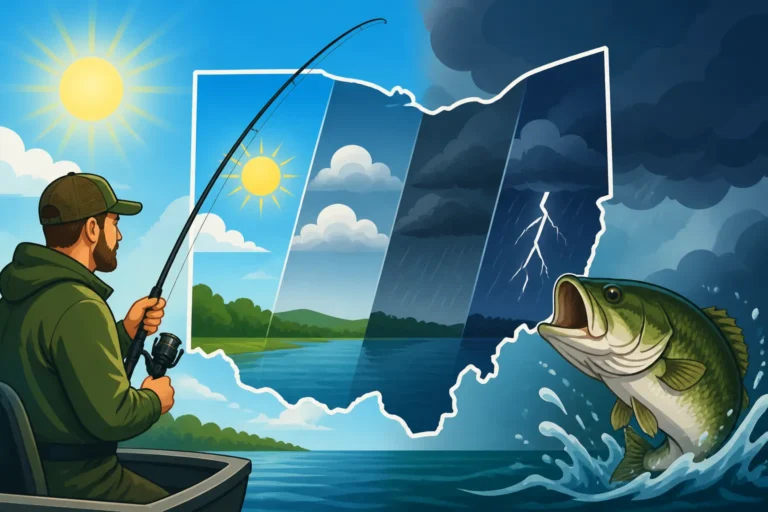
Best Time of Day to Fish in Ohio
It’s a common frustration, isn't it? You wake up early, full of hope, hit your favorite Ohio fishing spot, and after hours of casting, you’ve got nothing but a sunburn and a sense of disappointment. Or maybe you're rushing after work, hoping for a quick evening bite, only to find the water eerily still. The truth is, fishing success in Ohio isn't just about the right lure or the perfect cast; often, it boils down to hitting the water at the prime time when fish are most active. This comprehensive guide is here to unravel the mysteries of fish behavior throughout the day and across the seasons in Ohio, helping you pinpoint the absolute best times to cast your line for a better chance at a memorable catch.
Understanding the Basics of Fish Behavior and Light Conditions
Think of fish like us; they have preferred times to eat, to rest, and to move around. And just like us, their internal clocks are heavily influenced by their environment. For fish, the most significant environmental factor dictating their daily routine is light. How much light penetrates the water, its intensity, and even its angle can turn the bite on or off in an instant.
The Dawn and Dusk Advantage: Why It's Prime Time
There’s a reason you always hear seasoned anglers talk about "first light" and "last light." These periods of low light are universally recognized as prime fishing times, and it's not just folklore. As the sun rises and sets, the light hitting the water softens, creating an ideal scenario for many fish species to actively feed. The subdued light offers a couple of key advantages for predators: it reduces their visibility to aerial predators like eagles and ospreys, making them feel safer to move into shallower feeding grounds. More importantly, it also makes it harder for their prey to spot them coming, giving them a significant predatory edge. For baitfish, the lower light provides a bit of cover as they move and forage, making them more vulnerable to attack. This confluence of factors creates a feeding window that can be incredibly productive across most Ohio lakes, rivers, and even Lake Erie.
How Light Penetration Affects Fish Activity
Beyond just dawn and dusk, the overall intensity of light during the day profoundly impacts where and how fish behave. On bright, sunny days, especially in clear water, fish tend to move deeper, seeking the comfort of cooler, darker water. Their eyes are often more sensitive to intense light, and the lack of cover makes them feel exposed. Conversely, on overcast days, or in water with a bit of a stain or murkiness, fish might stay shallower for longer periods, even through midday. The clouds act like a natural diffuser, spreading the light and reducing its intensity, making them feel more secure. This is why a cloudy day can sometimes be a blessing for anglers, allowing for a longer period of active feeding throughout the day compared to a harsh, sunny one.
The Impact of Cloud Cover and Water Clarity
Water clarity plays a huge role in how fish react to light. In extremely clear bodies of water, like many of Ohio's inland lakes or the central basin of Lake Erie, bright sun can push fish deep and make them finicky. You might need to adjust your tactics significantly, perhaps using lighter lines or smaller baits to avoid spooking them. However, in murkier waters, like some stretches of the Ohio River or after a rain event, fish might be less sensitive to direct sunlight. The suspended particles in the water already diffuse the light, creating a perpetual low-light environment. On such days, fish might be found in shallower depths even during bright midday hours. That said, excessive turbidity can also be a deterrent, making it hard for fish to see their prey, so there's a balance. Always consider the clarity of the water you're fishing and how it interacts with the current light conditions. A pair of polarized sunglasses, available from retailers like Amazon, can really help you read the water and spot fish or structure even in challenging light.
Seasonal Variations in Optimal Fishing Times Across Ohio
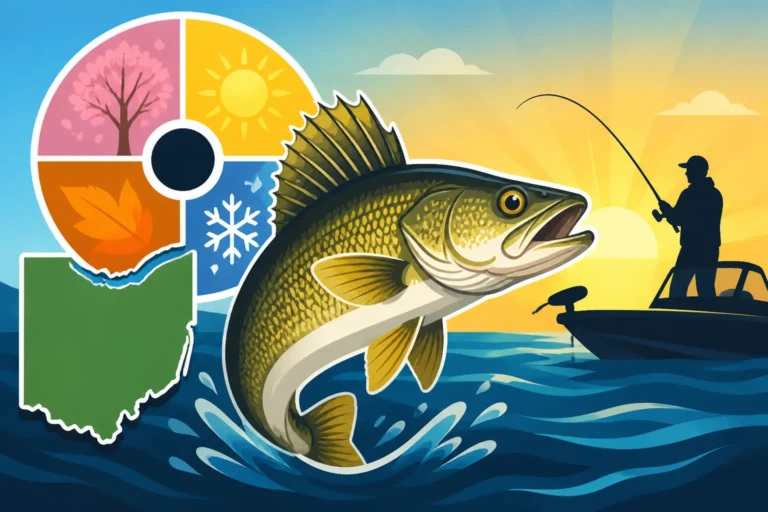
While dawn and dusk are generally fantastic, Ohio's distinct seasons throw a curveball into the mix, shifting when those "prime" windows truly open up. The changes in water temperature, fish spawning cycles, and even available forage mean that what works in May might not work in August.
Spring Fishing: Early Mornings and Late Afternoons Reign
Spring in Ohio is a season of transition and excitement for anglers. As water temperatures begin to rise from their winter lows, fish become more active, moving out of their deep wintering holes and into shallower areas to feed and eventually spawn. During this period, the early morning and late afternoon hours are often phenomenal. The water is still cool enough that midday heat isn't a major factor, and the low light provides that comfortable cover for hungry fish.
In early spring, especially for species like walleye, crappie, and bass, you'll find them staging for the spawn. This means they are actively feeding to build energy, and those low-light periods are when they are most aggressively hunting. As the season progresses and the spawn occurs, fish might be more focused on their reproductive duties, but even then, a short, intense feeding window around dawn or dusk is common. Think about hitting spots with new weed growth or rocky points where fish will congregate. For a deeper dive into the overall schedule, check out our guide on Ohio Fishing Season Calendar.
Summer Fishing: Beating the Heat and Finding Cooler Windows
Ah, Ohio summer fishing! It can be fantastic, but it definitely requires a strategic approach to timing. With rising air and water temperatures, fish behavior changes dramatically. The midday sun can heat up shallow waters quickly, driving fish deeper or into heavy cover where they seek refuge from the heat and bright light.
During summer, the absolute best times to fish are often the earliest hours of the morning, right as the sun begins to peek over the horizon, and the late evening, as the sun dips below the tree line. These periods offer the coolest water temperatures of the day and that precious low light. You might find great success with topwater baits for bass in the morning, or trolling for walleye on Lake Erie as the evening bite kicks in. If you must fish midday, focus on deeper water, shaded areas, or places with current that might offer slightly cooler temperatures and more oxygen. Think about exploring offshore structures or deep main lake points. For Lake Erie walleye, understanding the Best Time of Year to Fish Lake Erie for Walleye often means adapting to these summer patterns.
Fall Fishing: Capitalizing on Feeding Frenzies
Fall in Ohio is arguably one of the best times to fish, and it’s often overlooked! As air temperatures cool and water temperatures slowly drop, many fish species enter a pre-winter feeding frenzy, trying to pack on as much weight as possible. This means they are often aggressively feeding throughout a longer portion of the day.
While dawn and dusk remain excellent, you'll often find extended periods of activity during the day, especially on overcast days. Fish are less concerned about bright sunlight as the sun's intensity wanes. Walleye, bass, crappie, and even muskie will be on the prowl. Look for schools of baitfish being pushed into shallower bays or along steep breaks. The cooler water temperatures mean fish can stay active longer without the stress of summer heat. If you're targeting muskie, for instance, fall is a prime time, and their feeding windows can be less rigid than in summer. Our Ohio Muskie Fishing Guide offers more specifics on this elusive predator.
Winter Fishing and Ice Fishing: Midday Warm-Ups Can Be Key
Winter fishing in Ohio, especially through the ice, presents a unique set of challenges and opportunities. While activity levels generally slow down due to frigid water temperatures, fish still need to eat. The optimal time shifts from the low-light extremes to often, surprisingly, the midday hours.
For ice fishing, the warmest part of the day, typically from late morning through mid-afternoon, can be the most productive. The slightly warmer temperatures, combined with the higher sun angle penetrating the ice, can stimulate a bite. This is particularly true for panfish like bluegill and crappie, which might become more active when the sun is highest. For walleye through the ice, while early morning and late evening can still be good, often a midday lull is followed by a burst of activity as the day progresses. Safety is paramount when ice fishing, so always prioritize conditions. For more on this chilly pursuit, check out our Ohio Ice Fishing Guide.
Species-Specific Timing: Who Bites When in Ohio Waters
Different fish species have different habits. Some are nocturnal hunters, while others prefer the bright light of day. Understanding these preferences is key to timing your fishing trips for specific targets.
Walleye and Saugeye: Low Light Hunters
Walleye and saugeye are classic low-light predators, and this is probably their most defining behavioral trait. Their large, light-sensitive eyes are perfectly adapted for seeing in dim conditions, giving them a significant advantage over their prey during dawn, dusk, and even at night.
Therefore, the absolute best times to target walleye and saugeye in Ohio are typically from an hour before sunrise until an hour or two after, and then again from a couple of hours before sunset until well into the night. During the brighter parts of the day, especially on clear days, you'll usually find them in deeper water or tight to structure, sometimes suspended, where they can avoid the intense light. If you’re fishing Lake Erie, dedicated walleye anglers often focus heavily on the evening and night bite, using techniques like trolling crankbaits or casting stickbaits near shallower reefs and points. For more nocturnal strategies, our guide on Best Time to Fish for Walleye After Dark offers excellent tips. Many anglers targeting these species will equip their boats with robust fish finders or use headlamps for night fishing, often purchased through retailers like Amazon, to navigate and see clearly.
Bass Largemouth & Smallmouth: Adaptable Opportunists
Both largemouth and smallmouth bass are incredibly adaptable predators, but they too have preferred feeding windows that often coincide with low light or specific environmental conditions.
For largemouth bass, especially the big ones, early morning and late evening are prime times. This is when they often move out of heavy cover (like lily pads, docks, or submerged timber) and into shallower feeding zones. Topwater lures can be incredibly effective during these low-light periods, offering thrilling blow-ups. During the brighter, hotter parts of the day, largemouth will retreat back into dense cover or deeper water, becoming harder to entice. Our article on Best Time of Day for Topwater Bass Fishing in Ohio dives deeper into this exciting technique.
Smallmouth bass, particularly in clearer waters like Lake Erie or rocky rivers, also prefer low light but can be active throughout the day, especially on overcast days or if there's a good chop on the water. They are less prone to burying themselves in heavy cover and more likely to patrol rocky areas, points, and drop-offs. Early mornings and late evenings are still fantastic, but don't count out a cloudy midday, particularly when fishing for them on Lake Erie. The smallmouth is a fierce fighter, and understanding their preferences, along with Ohio's Ohio Largemouth and Smallmouth Bass Limits, can lead to some incredible catches.
Panfish Crappie, Bluegill, Perch: Often a Midday Feast
When it comes to panfish – crappie, bluegill, and yellow perch – the rules can sometimes flip compared to their predatory counterparts. While they certainly bite during dawn and dusk, these species can often offer excellent fishing opportunities during the middle of the day.
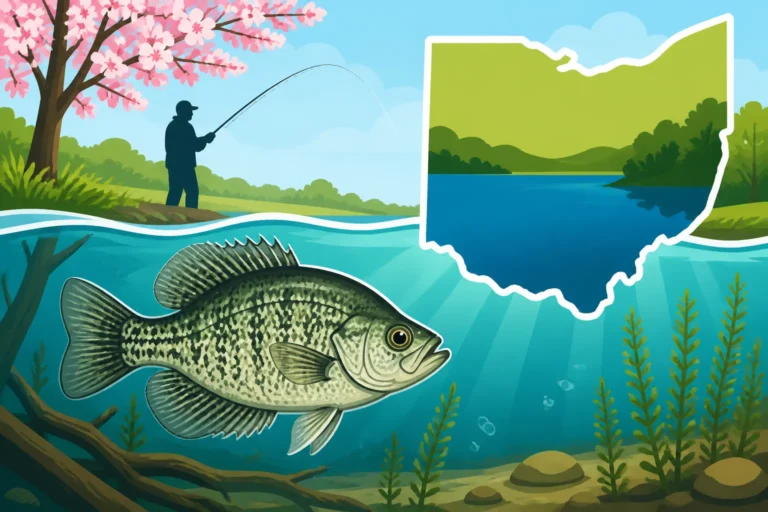
Crappie, for example, especially during the spring spawn, will congregate in shallow brush and timber, and a bright midday sun can actually draw them in. As the sun warms the shallow water, it often stimulates insect activity, attracting the crappie. However, in summer, they may seek deeper structure or shade during midday. Our Ohio Crappie Fishing Guide goes into detail on how to target these delicious fish.
Bluegill and other sunfish are often very active during midday, especially if there's a bit of cloud cover or if you're fishing shaded areas. They are visual feeders and aren't as light-sensitive as walleye. They're a fantastic target for families with kids who might not be able to get out at dawn.
Yellow perch, particularly on Lake Erie, can be caught throughout the day, but often experience peak feeding periods in the morning and again in the late afternoon. They tend to school up, and once you find them, you can often catch them consistently. For those specifically targeting Lake Erie perch, our Ohio Yellow Perch Fishing Guide is a great resource.
Catfish: The Night Shift Specialists
If you’re a night owl, Ohio’s catfish scene is calling your name! Channel catfish, flathead catfish, and blue catfish are predominantly nocturnal feeders. Their excellent sense of smell and touch allows them to navigate and hunt efficiently in complete darkness, giving them an advantage when other predators are less active.
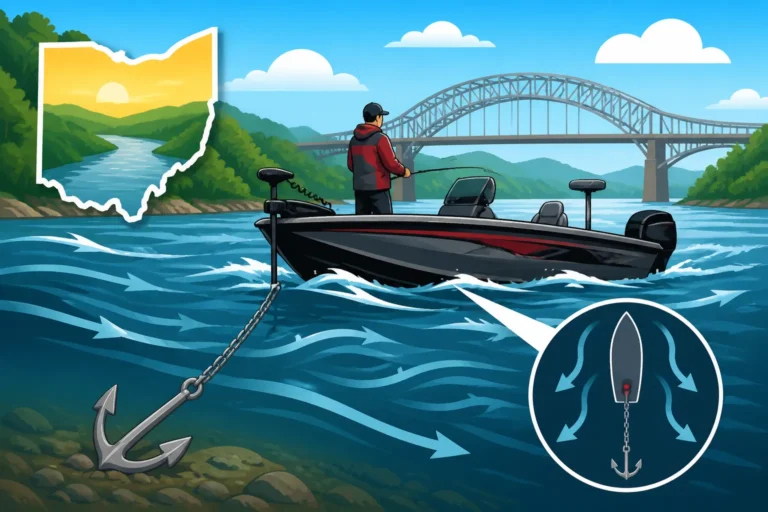
While you can certainly catch catfish during the day, especially channel cats on cloudy days or in murky water, the true "catfish bite" often doesn't turn on until dusk and continues strong throughout the night. This is when they leave their daytime lairs in deep holes, under logs, or within dense cover to patrol shallower flats, river bends, and points, searching for food. Setting up camp for a night of catfishing along the Ohio River or on one of Ohio's larger reservoirs can be incredibly rewarding. Make sure you have a good lantern or headlamp for baiting hooks and handling fish – a reliable one can be found on Amazon. For comprehensive strategies on these nocturnal beasts, consult our Ohio Channel Catfish Fishing Guide.
The Overlooked Factors: Weather, Water, and Moon Phases
Beyond just the time of day and the species, a truly successful Ohio angler pays close attention to the subtle cues from Mother Nature. Weather patterns, water conditions, and even the moon can significantly influence fish behavior and shift those "best times."
Barometric Pressure and Frontal Systems
This is a big one, often whispered about among serious anglers. Barometric pressure refers to the weight of the atmosphere, and fish are highly sensitive to its changes. A steady, high-pressure system (think bright, clear skies for days) generally means stable, but often slower, fishing. Fish might be less active and harder to entice.
The real game-changer is a falling barometric pressure, which often precedes a cold front or storm system. As the pressure drops, many fish species enter a hyperactive feeding period. They sense the impending change and feed aggressively before the weather turns. This can create incredible fishing, even at odd times of the day. Conversely, after a cold front passes and the pressure rises rapidly, fishing often shuts down completely for a day or two. The fish can become lethargic and tight-lipped. Understanding these dynamics can completely change your approach to timing your trips. Our guide, Does Barometric Pressure Affect Ohio Fishing?, dives deep into this phenomenon.
Water Temperature and Oxygen Levels
Water temperature is perhaps the single most important factor influencing fish metabolism and activity. Every species has an optimal temperature range for feeding and comfort. When water temperatures are within that range, fish are typically more active and willing to bite. When temperatures are too cold or too hot, they become sluggish, seeking refuge in deeper or cooler water.
Oxygen levels are also crucial. Warm water holds less dissolved oxygen than cold water. In summer, especially in stagnant bays or shallow lakes, low oxygen levels can force fish to seek areas with better circulation, like near inlets, current breaks, or deeper thermoclines. Similarly, during winter, certain areas might become anoxic under thick ice. Fish will migrate to areas with better oxygen, which could be specific pockets of open water or areas with slight current. Knowing the optimal temperatures for your target species and having a basic understanding of oxygen dynamics can help you pinpoint feeding windows and productive locations, even outside typical prime times.
Moon Phases and Tidal Influences (Even in Inland Ohio)
While often associated with saltwater fishing, moon phases can absolutely influence fish behavior in freshwater, including across Ohio's lakes and rivers. Many anglers swear by a strong bite during the new moon and full moon phases, particularly during the days surrounding them. The increased gravitational pull from the moon can subtly affect water movement, even in inland lakes, leading to increased current and baitfish activity, which in turn stirs up predators.
Beyond the full and new moon, some believe that the "major" and "minor" feeding times predicted by solunar tables (which combine moon and sun positions) can pinpoint brief, intense feeding windows. Even if the scientific evidence isn't always conclusive, countless anglers have experienced stellar fishing during these predicted times. It’s certainly worth checking a solunar calendar if you’re trying to maximize your chances, especially for highly predatory species like walleye or muskie.
Strategic Approaches for Different Times of Day
Since fish behavior shifts so much throughout the day in Ohio, your approach needs to be just as dynamic. What works at dawn likely won't be effective at high noon.
Mastering Early Morning Tactics
The early morning bite is often explosive and short-lived, so you need to be prepared and efficient. Fish are typically shallow and aggressive, having moved in to feed under the cover of low light.
- Be ready: Have your gear rigged and ready to cast before you even hit the water. Those first 30-60 minutes after dawn can be magic.
- Target the edges: Focus on transition areas where shallow water meets deeper water, or where cover (weeds, docks, rocks) is present.
- Aggressive presentations: Start with fast-moving baits like topwaters, spinnerbaits, or crankbaits to cover water and locate active fish. Once you find them, you can slow down.
- Stealth is key: Fish are often shallow and easily spooked in the morning. Minimize noise, use longer casts, and approach your spots carefully.
Adapting to Midday Challenges
Midday fishing can be tough, especially on bright, hot summer days, but it's not impossible. It simply requires a change in strategy.
- Go deep: Look for fish in deeper water, whether that's offshore humps, ledges, channels, or simply the deepest parts of a lake.
- Find shade/cover: Target areas with dense overhead cover like docks, fallen trees, or thick lily pads. Fish will often hold tight to these areas to escape the sun.
- Slow down: Fish are often less aggressive and more lethargic in the midday heat. Use slower presentations, finesse techniques, or natural baits. Jigs, Carolina rigs, or live bait fished on the bottom can be very effective.
- Consider vertical presentations: Jigging spoons, drop-shot rigs, or even live bait under a slip bobber in deeper water can tempt finicky fish.
Excelling During the Evening Bite
The evening bite often mirrors the morning bite but can sometimes be even better as fish become more comfortable moving into feeding areas after a day of resting.
- Reverse your morning strategy: Fish the same areas you found productive in the morning, but approach them from the opposite direction or angle.
- Listen and watch: Keep an eye out for baitfish activity on the surface or birds diving, indicating feeding fish.
- Experiment with lure color: As light fades, switch to darker silhouettes (black, purple) or lures with high contrast. For some species like walleye, glow-in-the-dark or UV-enhanced lures can be effective.
- Transition to night: If the bite is hot, be prepared to continue fishing into the night, especially for species like catfish or walleye. This might mean having appropriate lighting for your boat or tackle area.
Embracing Night Fishing Adventures
Night fishing offers a completely different experience and can be incredibly rewarding, especially for nocturnal predators.
- Safety first: Always have proper lighting (headlamps, boat lights), a fishing buddy, and be extra cautious on the water. A good quality headlamp from Amazon is a must-have for hands-free operation.
- Use scents and vibrations: In the dark, fish rely more on their lateral line (to detect vibrations) and sense of smell. Use scented baits, noisy lures, or live bait.
- Target shallower water: Many nocturnal species move into surprisingly shallow water after dark to feed. Focus on points, flats, and edges.
- Go big: Night fishing is often a great time to throw larger baits, as big fish are more confident in the dark.
- Focus on sound: Listen for fish splashing or feeding. This can give away their location.
Practical Tips for Maximizing Your Time on the Water
Beyond understanding the science, there are practical steps you can take to make sure you're always ready to capitalize on those prime fishing windows in Ohio.
Planning Your Trip Around Optimal Windows
Don't just head out whenever you have free time. With a little planning, you can significantly increase your odds.
- Check the forecast: Pay attention not just to rain, but to wind direction, cloud cover, and barometric pressure. These are critical factors.
- Consult solunar tables: While not foolproof, they can point to potential feeding windows throughout the day.
- Research species behavior: Know the preferred feeding times for the specific fish you're targeting. For instance, if you're going for steelhead, understanding When Ohio Steelhead Runs Start will help you choose the right time of year, and then you can narrow it down to the best daily windows.
- Arrive early, stay late: Especially for dawn and dusk bites, arriving before the action starts and staying a bit after can make all the difference. Get to your spot, get set up, and be ready to cast the moment that prime window opens.
- Use online resources: Many fishing forums and local tackle shop websites offer daily fishing reports that can give you a real-time pulse on what's biting when. Even popular social media groups for Ohio fishing can provide valuable, up-to-the-minute intel.
Adjusting on the Fly: Reading the Conditions
Even the best-laid plans can go awry. Fish don't read the same rule book we do! Being able to adapt is crucial.
- Observe the water: Look for baitfish activity, surface disturbances, or changes in water clarity. These are all clues.
- Monitor your electronics: If you have a fish finder, pay attention to depth, water temperature, and where fish are holding in the water column. Are they hugging the bottom, or suspended?
- Pay attention to the barometer: If the weather suddenly shifts, be prepared to change your strategy. If a front moves in, try fishing more aggressively before it hits. If a front has just passed, slow down your presentation.
- Experiment with depth and retrieve: If you're not getting bites, try different depths, retrieve speeds, or even lure colors. Sometimes a subtle change is all it takes to trigger a strike. Don't be afraid to switch from a fast-moving crankbait to a slow-fished jig.
- Ask other anglers: Politely inquire with other anglers on the water about what they're catching and when. Most anglers are happy to share some general tips, especially if you’re respectful.
Essential Gear for Varying Light Conditions
Having the right gear will make those dawn, dusk, and night fishing adventures much more comfortable and successful.
- Headlamp/Flashlight: Absolutely essential for tying knots, baiting hooks, and navigating in low light or darkness. Choose one with a red light option to preserve your night vision. You can find excellent options on Amazon.
- Polarized Sunglasses: Crucial for cutting glare, allowing you to see into the water to spot structure or cruising fish during brighter periods.
- Proper Attire: Layers are key, especially for early mornings and late evenings when temperatures can drop quickly. A good rain jacket is always a smart addition to your gear bag.
- Tackle for all depths: Ensure you have lures and baits that can be effectively fished at various depths, from topwater to deep-diving crankbaits and jigs, so you can adapt to where the fish are holding throughout the day.
- Gloves: In colder seasons, fingerless gloves can keep your hands warm while still allowing for dexterity in tying knots and handling line.
Here's a quick reference table to help visualize some of these optimal times:
| Species | Spring (Optimal Daily Window) | Summer (Optimal Daily Window) | Fall (Optimal Daily Window) | Winter/Ice (Optimal Daily Window) |
|---|---|---|---|---|
| Walleye & Saugeye | Dawn, Dusk, Night | Dawn, Dusk, Night (focus deeper midday) | Dawn, Day (overcast), Dusk, Night | Midday, Dusk (through ice) |
| Largemouth Bass | Dawn, Dusk, Overcast Midday | Early Dawn, Late Dusk (deep/cover midday) | Dawn, Day, Dusk | Midday (deep, slow) |
| Smallmouth Bass | Dawn, Day (overcast/windy), Dusk | Dawn, Dusk (rocky areas), Overcast Midday (Lake Erie) | Dawn, Day, Dusk | Midday (deep, slow) |
| Crappie | Dawn, Day (structure), Dusk | Dawn, Dusk (deep/shade midday) | Dawn, Day (active feeding), Dusk | Midday (through ice) |
| Bluegill | Day (consistent activity) | Dawn, Day (shade), Dusk | Day (consistent activity) | Midday (through ice) |
| Yellow Perch | Day (consistent activity) | Dawn, Late Morning, Late Afternoon (deeper midday) | Day (aggressive feeding) | Midday (through ice) |
| Channel Catfish | Dusk, Night, Overcast Day | Dusk, Night (very strong); Early Dawn | Dusk, Night, Overcast Day | Sporadic (deep holes, soft bottom) |
| Flathead Catfish | Night (dominant) | Night (dominant) | Night (dominant) | Very Slow (deep holes) |
| Steelhead Trout | Day (good flow/temp) | N/A (generally not in rivers) | Dawn, Day (cooler temps), Dusk | Day (when water isn't frozen/high) |
It's clear that while general rules apply, the best time to fish in Ohio is a dynamic puzzle piece, shifting with the seasons, weather, and the specific species you're targeting. By understanding these nuances and adapting your approach, you'll spend less time wondering and more time reeling in those unforgettable Ohio catches.
Disclaimer
Fishing conditions and regulations in Ohio can change rapidly. Always consult the latest Ohio Department of Natural Resources (ODNR) fishing regulations before heading out. This guide is for informational purposes only and does not constitute legal advice. Safe boating and fishing practices are essential.