Does Wind Direction Matter for Lake Erie Walleye Fishing?
One of the most common frustrations for any angler, especially those chasing the elusive walleye on vast Lake Erie, is feeling completely at the mercy of the weather. You plan your trip, check the forecast, and then the wind shifts, leaving you wondering if your chances of success just flew out the window. This comprehensive guide will tackle the age-old question: "Does wind direction truly matter for Lake Erie walleye fishing?" and help you understand how to adapt your strategy to whatever Mother Nature throws your way.
Understanding the Lake Erie Wind Machine and Its Walleye Impact
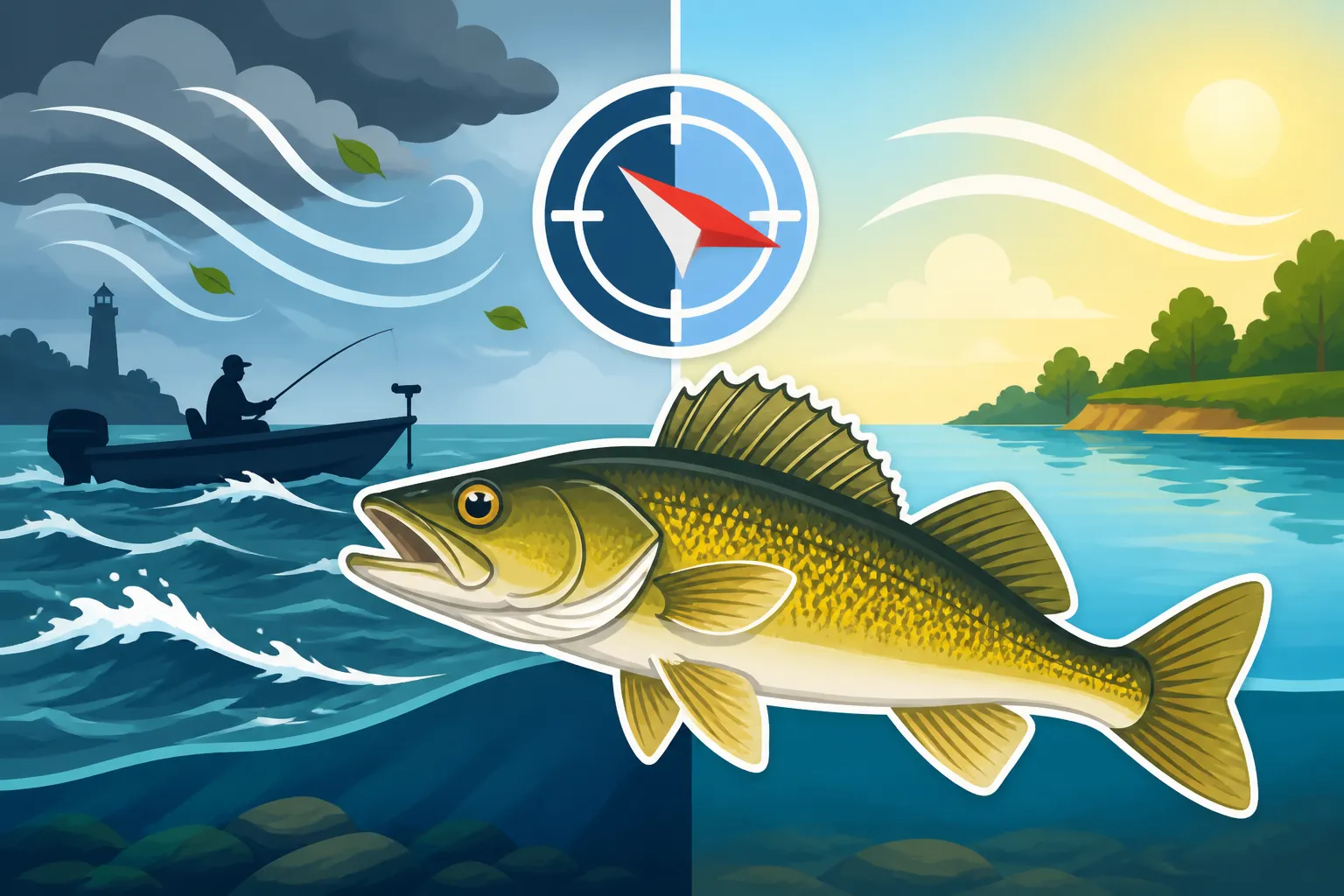
Lake Erie is a massive, relatively shallow body of water, making it incredibly susceptible to wind. Unlike smaller inland lakes, even a moderate breeze can kick up significant waves, create strong currents, and drastically alter water conditions. For walleye, who are highly sensitive to their environment, these changes are not just minor inconveniences; they directly influence where the fish will be, what they're doing, and how willing they are to bite. Ignoring the wind is like trying to navigate without a compass – you might get lucky, but you're probably going to be lost.
The Science Behind Wind-Driven Currents
When the wind blows across the surface of Lake Erie, it doesn't just create waves; it literally pushes the water. This continuous force generates currents that can be surprisingly strong, especially in the shallower western basin or near constricted areas. These currents are a major factor in how baitfish move, which in turn dictates where walleye will position themselves. Imagine a conveyor belt of water moving across the lake – baitfish get caught in it, and walleye, being opportunistic predators, will often set up along the edges or in breaks from this current to ambush their meals.
Strong winds can create what's known as a "seiche," which is essentially a standing wave that sloshes water from one end of the lake to the other, dramatically affecting water levels and currents. These events can trigger significant feeding frenzies or shut down the bite entirely, depending on how the walleye react to the sudden changes. It's not just about comfort for you; it's about life and death for the baitfish and a buffet for the walleye.
How Wind Affects Water Clarity and Temperature
Wind doesn't just push water; it also stirs it up. In shallower areas, strong winds can churn up sediment from the bottom, reducing water clarity. Walleye are visual predators, but they also thrive in lower light conditions and appreciate a bit of stained water for ambush. Too much turbidity, however, can make it difficult for them to see their prey. Conversely, a sustained wind from a consistent direction can push clearer, colder water from deeper areas into shallower zones, or warmer, murkier water from bays out into the main lake.
These temperature and clarity shifts are critical. Walleye have preferred temperature ranges, and if the wind pushes a huge mass of water that's too cold or too warm into their comfort zone, they'll simply move to find more hospitable conditions. Similarly, a distinct "mud line" or "color break" created by the wind can be an absolute goldmine. Walleye often patrol these edges, darting into the clearer water to snatch baitfish that hesitate at the boundary. Paying attention to these subtle changes in water appearance can give you a huge advantage.
Decoding Specific Wind Directions on Lake Erie
Each wind direction on Lake Erie has its own personality, influencing walleye behavior in unique ways. There's no single "best" wind, but understanding what each one typically brings can help you prepare and strategize effectively.
Westerly and Northwesterly Winds: Often Favorable But Challenging
Westerly and northwesterly winds are a common occurrence on Lake Erie, especially during the spring and fall. These winds often bring in cooler, clearer air masses, which can translate to more stable weather after a front passes. For walleye, this can be a good thing, as they often become more active after a period of instability. However, strong westerly winds can also whip up considerable waves, making for a bumpy ride and challenging boat control.
When these winds blow, they tend to push baitfish towards the eastern shores of the lake or pile them up against specific structures. This can create excellent opportunities for anglers willing to brave the chop. Areas on the lee side of islands, like Kelleys Island or South Bass Island, can offer some reprieve from the waves while still having strong current lines and baitfish concentrations. If the bite is tough, these protected areas might be where the walleye are seeking shelter from the strong currents. Knowing Where the Lake Erie Yellow Perch Central Zone Starts and Ends can also help in these conditions, as perch are a primary food source for walleye.
Southerly and Southwesterly Winds: The Warm Water Push
Southerly and southwesterly winds can be a mixed bag, but often bring warmer air and can be quite productive for walleye, especially during the shoulder seasons. These winds tend to push warmer surface water and often murkier water from the shorelines out into the lake. This can concentrate baitfish against the northern shores or in specific current breaks created by the wind.
Under these conditions, walleye might be more active due to the warmer water temperatures, which can increase their metabolism and feeding drive. Look for areas where this warmer, often stained water meets cooler, clearer water – those thermal and clarity breaks are prime ambush points. However, too much sustained south wind can also create a "blow-out" effect, pushing warm, shallow water out and making it difficult to find fish in their usual haunts. It's a delicate balance, and you need to pay attention to subtle cues. Sometimes, the warmer water might even push deeper, causing the walleye to suspend at specific depths. Reading your How to Read a Fish Finder for Suspended Walleye can be key here.
Easterly and Northeasterly Winds: The Toughest Conditions
Many Lake Erie anglers will tell you that easterly and northeasterly winds are often the most challenging to fish in. These winds blow across the longest fetch of the lake, generating incredibly steep and dangerous waves. Beyond the safety concerns, these winds can also make boat control nearly impossible and severely impact fishing effectiveness. They tend to "stack up" water on the western end of the lake, causing unusual currents and potentially pushing cold, deep water to the surface on the eastern side.
Walleye often become less active in these turbulent conditions. They might move to the deepest, most stable water they can find, or seek shelter on the lee side of any available structure. Sometimes, a strong easterly blow can push baitfish into concentrated areas, but getting to them and effectively fishing them can be a monumental task. If you're faced with a sustained easterly blow, it's often a good idea to focus on nearshore areas that offer protection, or consider fishing inland waters altogether. Safety should always be your number one priority when encountering these winds.
Adapting Your Walleye Fishing Strategy to Wind Conditions
Once you understand how different wind directions generally behave, the next step is to adapt your fishing strategy. This isn't about giving up; it's about working with the wind, not against it.
Adjusting Trolling Techniques for Optimal Presentation
Trolling is a cornerstone of Lake Erie walleye fishing, and wind direction plays a huge role in its effectiveness. When trolling, you need to maintain a consistent speed and lure depth, and wind can make that extremely difficult.
- Going with the Wind: When trolling in the same direction as the wind, your boat speed over ground will increase. You'll need to reduce your engine RPMs significantly, sometimes even to just idle, to maintain your desired trolling speed. This is where a good GPS speed indicator is invaluable. You might also need to let out more line to get your lures down to the target depth, as the increased speed can cause them to run shallower.
- Going Against the Wind: Trolling into the wind is often preferred by many anglers because it allows for slower speeds over ground with more throttle control. The wind acts as a natural brake, helping you keep your lures down and your presentation subtle. However, the waves can make it a very jarring experience, and maintaining a straight course can be challenging.
- Cross-Wind Trolling: This is perhaps the trickiest. A strong crosswind will push your boat sideways, making it nearly impossible to troll in a straight line. This is where How to Set Up Planer Boards for Lake Erie Walleye becomes absolutely essential. Planer boards allow you to spread your lines out wide, covering more water, and helping to stabilize your boat's direction. Without them, your lures will likely "blow out" to one side, getting tangled or not fishing effectively. If you're considering buying some, there are many robust options available on Amazon that can handle the rough Lake Erie conditions. Remember, your goal is a consistent lure presentation, regardless of what the boat is doing.
Mastering Drift Fishing and Jigging in Windy Conditions
For those who prefer drift fishing or jigging for walleye, wind still dictates everything. These techniques rely heavily on boat control and vertical presentation, which are severely impacted by wind and waves.
- Drift Socks are Your Best Friend: When drifting, a drift sock (or sea anchor) is absolutely indispensable in windy conditions. It's essentially a parachute that you deploy from the bow or stern of your boat to slow your drift speed. Without one, you'll often drift too fast, making it impossible for your jigs or crawler harnesses to stay near the bottom where the walleye are. Many anglers carry multiple sizes of drift socks to match varying wind speeds. You can find a wide range of sizes and materials on Amazon.
- Heavier Jigs and Sinkers: In strong currents created by wind, you'll need to increase the weight of your jigs or sinkers to maintain bottom contact. If you're constantly losing touch with the bottom, you're not fishing effectively. Don't be afraid to go up a size or two.
- Understanding Current Breaks: Walleye will often use current breaks created by wind-driven currents to ambush bait. These can be behind islands, submerged humps, or even subtle changes in bottom contour. Learning to identify these areas on your Reading Ohio Fish Finders and Electronics is crucial. Position your boat upstream of these breaks and allow your bait to drift naturally into the strike zone. This is often an effective strategy when the wind is otherwise making fishing difficult.
Shore Fishing and Safety Considerations
Even if you're fishing from shore, wind direction still matters. It will determine where waves crash, where current flows, and where baitfish are pushed.
- Finding Lee Sides: When fishing from shore or a pier, look for locations that are on the "lee" side of a point, pier, or structure – the side that's protected from the direct wind. This calmer water might attract baitfish seeking refuge, and consequently, walleye looking for an easy meal.
- Current and Debris: Strong onshore winds can push a lot of debris (weeds, trash) to the shoreline, making fishing difficult. Offshore winds, conversely, can clean up the immediate shoreline, but might push baitfish farther out.
- Prioritize Safety: This cannot be stressed enough. Lake Erie can be incredibly dangerous in high winds. Always check the marine forecast before heading out. If conditions are too rough, it's never worth the risk. Postpone your trip or seek out a smaller, more protected body of water. Hypothermia, capsizing, and being stranded are very real threats. Investing in good quality, comfortable life vests, often available on Amazon, is not an option – it's a necessity. Knowing about Ohio Boater Education Requirements for Anglers is also a smart move for boaters.
Other Environmental Factors to Consider with Wind
While wind direction is a huge piece of the puzzle, it's rarely the only factor at play. Savvy anglers combine their understanding of wind with other environmental cues to get the full picture.
Barometric Pressure and Frontal Systems
Wind often comes hand-in-hand with changes in barometric pressure, which can have a profound impact on fish behavior. A rapidly dropping barometer, usually associated with an approaching storm front and strong winds, often triggers a feeding frenzy right before the weather hits. This is because fish can sense the pressure change and instinctively feed heavily before conditions become uncomfortable.
Conversely, a high, stable barometer after a cold front has passed, often accompanied by clear skies and light winds, can make fishing tough. Walleye might become lethargic and less willing to chase baits. The key is to pay attention not just to the current wind, but also to the larger weather pattern and how the barometer is moving. A good weather app or a dedicated barometer on your boat can be incredibly helpful for this. You might find that Does Barometric Pressure Affect Ohio Fishing? goes into more detail.
Time of Year and Water Temperature
The impact of wind also varies significantly depending on the time of year and the overall water temperature.
- Spring: In the spring, after walleye have spawned, warmer southerly winds can be a blessing, pushing warmer water into shallow spawning areas and getting the fish actively feeding. Cooler northerly winds, however, can quickly shut down the bite by driving cold water back in. The When Ohio's Walleye Season Peaks on Lake Erie is often correlated with these warming trends.
- Summer: During the heat of summer, walleye often retreat to deeper, cooler water. A strong wind can help by creating a "surface chop" that reduces light penetration, making walleye more comfortable moving shallower, or by creating current that concentrates baitfish. However, persistent winds that create huge waves can push thermoclines deeper, scattering the fish. Understanding How Deep to Troll for Walleye in Early Summer is essential.
- Fall: Fall fishing often sees a resurgence in walleye activity as they feed heavily before winter. Wind can again concentrate baitfish and create good feeding windows, but cold fronts brought by strong westerly or northerly winds can quickly drop water temperatures and slow things down.
Baitfish Presence and Movement
Ultimately, walleye go where the food is. Wind direction and strength directly influence where baitfish (like emerald shiners and yellow perch) will be concentrated. Strong winds can push vast schools of baitfish into coves, against particular shorelines, or along current breaks. If you can locate these baitfish concentrations, you're usually in the right area for walleye.
Keep an eye out for bird activity, especially gulls, diving on baitfish schools. Your fish finder will also be crucial for identifying baitfish. If you're not seeing bait, even in prime walleye territory, it's likely the walleye aren't there either. Adjust your strategy to cover more water until you find the forage. The behavior of yellow perch, in particular, is directly impacted by wind, and the walleye follow. Check out the Yellow Perch Spawning Behavior in Ohio article for more insights.
Here's a quick reference table to summarize how different wind directions generally impact Lake Erie walleye fishing:
| Wind Direction | Typical Water Conditions | General Walleye Behavior | Recommended Angling Adjustments |
|---|---|---|---|
| West/Northwest | Cooler, clearer water; significant waves/currents | Active feeding post-front; seek current breaks/shelter | Slower trolling speed; heavier jigs; use drift socks; target lee sides/structure |
| South/Southwest | Warmer, murkier water (can be clear offshore) | Active feeding; follow warm water/baitfish; might suspend | Vary trolling depths; look for clarity/temp breaks; focus on northern shores |
| East/Northeast | Rough, steep waves; strong currents; often tough | Less active; seek deepest, most stable water; sheltered areas | Prioritize safety; fish protected areas/harbors; go heavier on tackle |
| Light/Variable | Stable, calm water; less current | Often scattered; can be tougher to locate schools | Cover lots of water; use precise presentations; focus on structure |
The Art of Becoming a Wind-Wise Walleye Angler
Becoming proficient at understanding and reacting to wind on Lake Erie isn't something you master overnight. It takes years of experience, paying attention to patterns, and learning from every trip, good or bad. Don't be discouraged by a tough day when the wind shifts unexpectedly. Instead, see it as a learning opportunity.
Keep a fishing journal and note the wind direction, strength, and how it affected your bite. Over time, you'll start to see correlations and develop an intuitive sense for what the walleye are doing under various conditions. Remember, the fish don't care if you're comfortable; they care about survival, feeding, and comfort for them. By putting yourself in their fins and understanding how wind influences their world, you'll dramatically increase your chances of success on Ohio's incredible Lake Erie. And don't forget to review the Ohio Fishing Regulations Every Angler Should Know before heading out!
Disclaimer
The information provided in this guide is for general informational purposes only and should not be considered a substitute for professional advice. Fishing conditions and regulations can change rapidly. Always check current weather forecasts, obey all local, state, and federal fishing regulations, and prioritize safety on the water.